SEO Tools — How to Rank Your Website on Google
What is SEO?
SEO (Search Engine Optimization) is also known as “positioning”—activities aimed at getting a specific website to appear high in Google’s organic search results for a given query. Organic search refers to traffic that does not come from paid Google Ads.
Why do some sites appear higher on the list than others? Google’s algorithms evaluate a site’s content and must deem it valuable for the given topic; only then do they push it to higher positions. Both off-site and on-site efforts, as well as the content across the site, influence this.
Interestingly, a website is assessed holistically, so it’s essential to ensure:
-
high-quality, substantive content,
-
SEO optimization,
-
an engaging overall design.
Why use SEO tools?
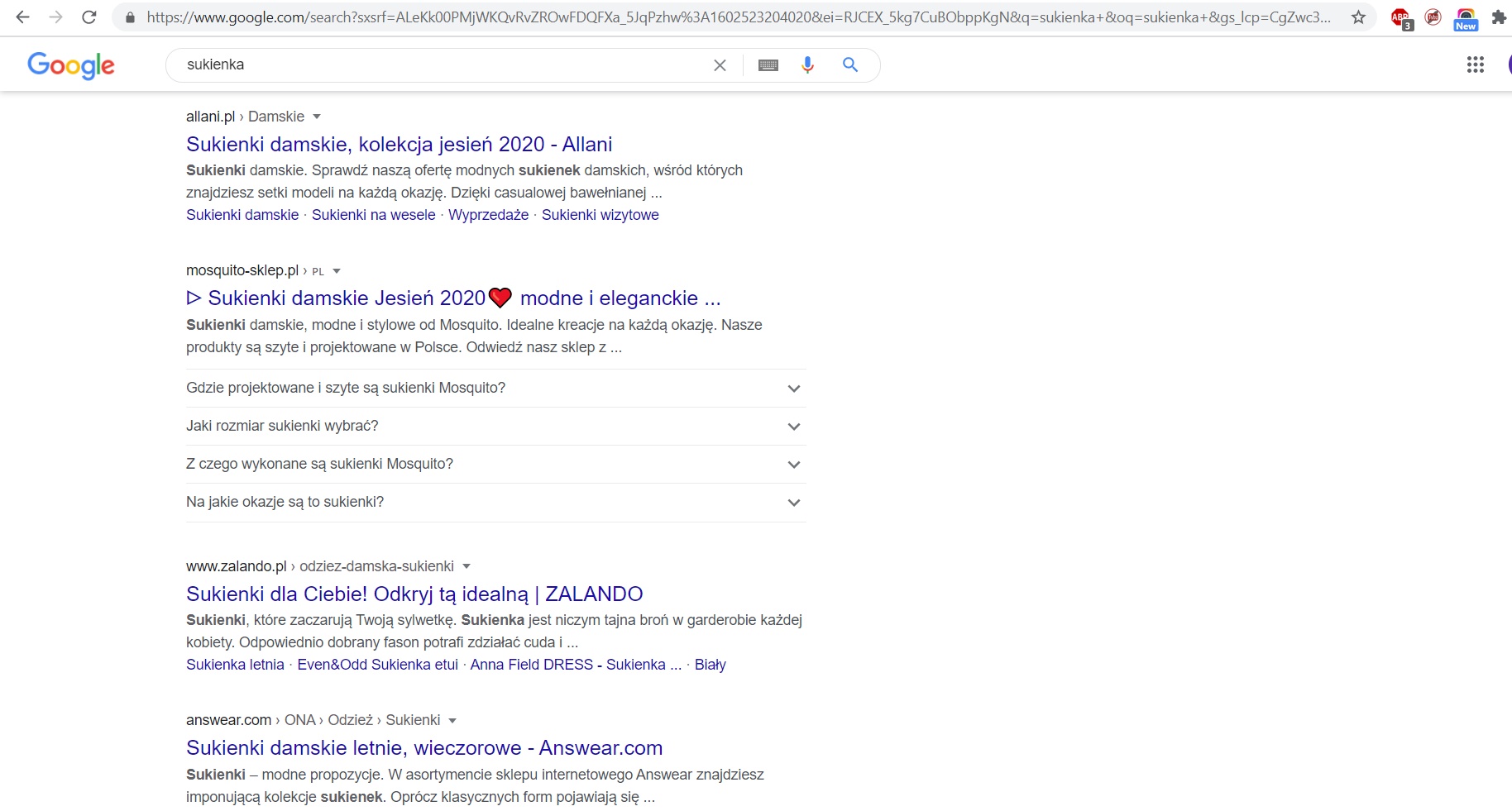
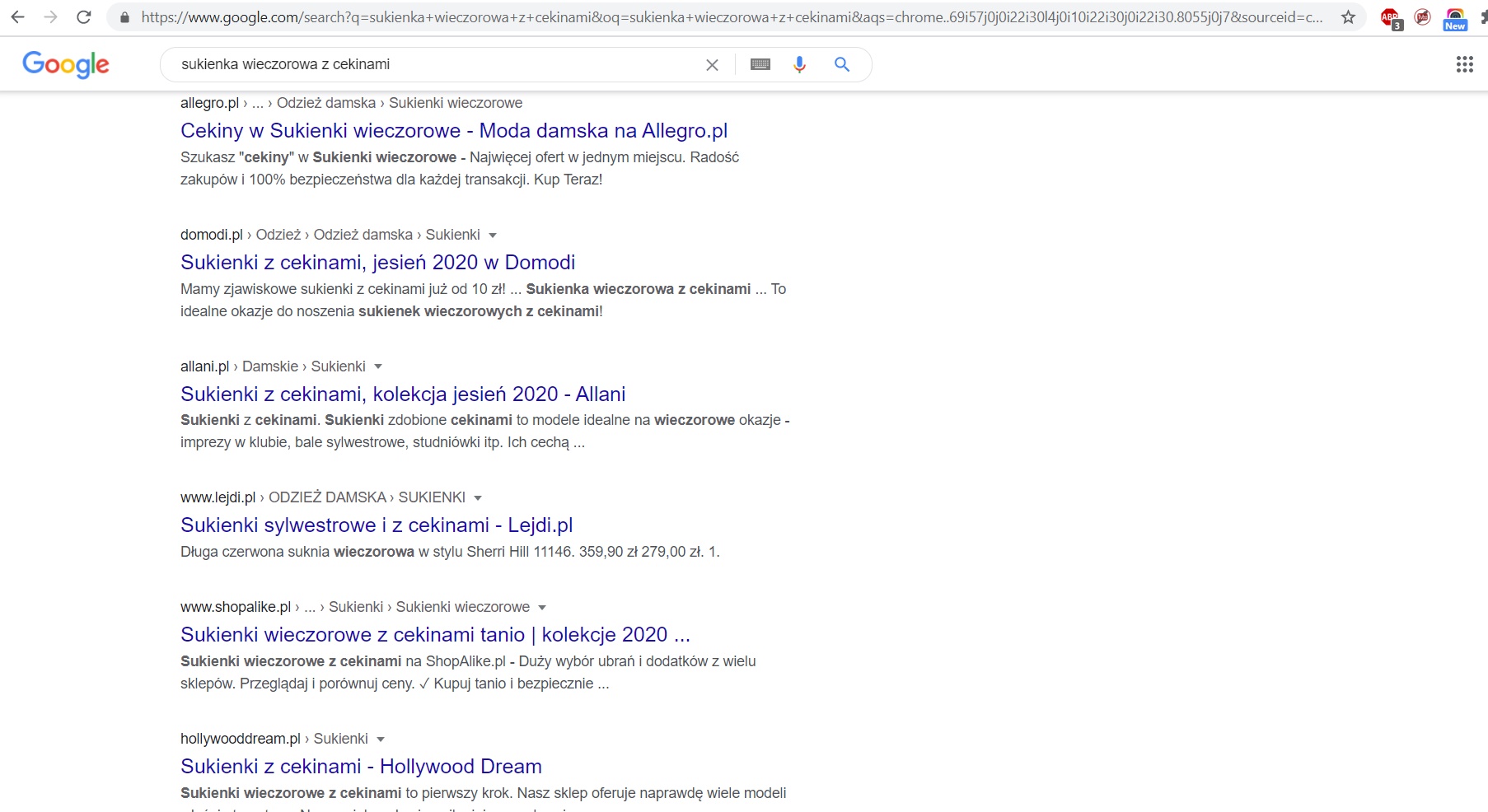
We’ll illustrate the SEO process with an example to make the actions behind ranking a site much clearer. Suppose you own a dress shop and you want every woman searching for a dress to land on your site. Your efforts should be directed so that when someone types “sukienka” (“dress”) into Google, your website appears in the TOP 10—ideally the TOP 3—results.
Positioning and SEO tools — a duo worth investing in
Let’s move on to the advantages of implementing SEO for websites and online stores. An undeniable plus is that over 98% of internet users in Poland use Google Search. This is the most important reason you should be visible there. Of course, that’s not all. Some owners of online stores or other sites believe that if they invest in Google Ads, there’s no point in funding SEO activities. This is a very mistaken assumption, because contrary to appearances, a sizable share of people do not click sponsored ads, as they find them a less credible source.
Positioning and the use of SEO tools is cheaper than paid Google Ads campaigns, especially if you operate in a highly competitive industry. Of course, SEO isn’t completely free. Even if you don’t pay an agency or freelancer because you handle the work yourself, you still need to account for the time you spend and for fees—e.g., access to an SEO tool.
Even so, many confirm that SEO is far friendlier to a young entrepreneur’s budget than, for example, Google Ads or social media advertising. With pre-defined spending on optimization and SEO tools, you can estimate costs much more precisely—an essential foundation for building a stable online business.
SEO activities are not a quick campaign
It’s also worth bearing in mind that Google ads display only as long as they’re paid for—they disappear automatically once the budget is exhausted. Positioning (SEO) lets you build a relatively stable position in search results and maintain it over a long period. If those positions drop, it doesn’t happen abruptly, hour by hour. With the right SEO tools, you can continuously monitor positions and respond appropriately to any fluctuations in the results.
SEO is also a way to build reputation and an expert image. Publishing interesting, substantive content on a given topic (e.g., online marketing, shoes, lingerie, or healthy food) means that anyone who lands on your site sees you know the subject well. If the content is engaging, many people will stay with you—even after they make a purchase, or conversely, even if they don’t buy at that moment but become potential customers for the future.
Positioning also involves activities that are highly targeted. What does that mean? The audience you reach consists of people interested in a specific issue. How do we know? Because they themselves typed the query into Google—which means they were actively looking for it!
You can become an SEO specialist
Is working with an SEO agency worth it?
At a certain stage of a company’s growth, it becomes difficult to independently ensure the right quality of promotion across all online channels. A time comes when the owner of an online store or other e-business must decide to work with external partners. The same applies to SEO.
Over the past decade, the SEO industry has evolved from a fledgling service (offered mainly by freelancers) into a fully fledged branch of advertising services. Today, dozens of companies on the Polish market offer SEO-related services. Choosing the right agency is definitely a topic for a separate article, but it’s worth being aware of the benefits of such cooperation already at the selection stage—assuming the SEO firm is fully professional and trustworthy.
Security
In the context of SEO, security is closely tied to know-how. Few people realize that poorly executed SEO can harm your website. It can even lead to your site being completely excluded from Google’s results!
Professional SEO agencies can provide safety and peace of mind in this area—while you focus on growing your business in other ways.
Ongoing monitoring
SEO is a very dynamic field. Each year, Google introduces at least several very significant updates to its search algorithm—and not always with official announcements. These changes can cause a website to drastically lose its previously strong positions in Google overnight.
It is the duty of every SEO agency to continuously monitor our site’s visibility in Google. Furthermore, an effective SEO agency can react quickly and adjust its SEO strategy to the new conditions.
Specialized SEO tools
Specialized tools are essential for effective optimization. Not every fledgling company can afford monthly subscriptions for SEO tools, which can run to several thousand złoty per month. Such an expense may prove pointless, because using these tools skillfully requires many years of learning and experience.
A professional SEO agency has these tools and uses them properly to optimize clients’ websites. It’s worth asking whether the funds earmarked for potentially buying tools wouldn’t be better spent on working with an SEO agency.

SEO Tools — an overview of the most useful ones
There are plenty of SEO tools on the market that enable effective optimization and monitoring of results in Google. Most SEO tools are very intuitive, easy to use, and affordable. Whether you’re a professional or a beginner, it’s worth exploring what these systems can do to make SEO work easier.
There are also tools that assist with content creation—suggesting how frequently to use a given keyword or how long the text should be. Every tip in SEO, even a small one, can significantly impact final outcomes, so it’s worth analyzing them. Even if you entrust SEO to professionals, it’s still useful to know the basic tools so you understand which options specialists use—and why.
Ahrefs — a top SEO tool worldwide
This SEO tool is one of the most widely used by SEOs around the globe. Why? Because it delivers excellent results. What is it used for?
It shows what issues a website has and which parts need improvement. Most importantly, Ahrefs is used to analyze backlinks pointing to your site, thanks to its massive global index. With such a broad scope, it works well for both beginners and advanced professionals in the SEO field. You can analyze your own sites as well as competitors’—a major advantage.
The most important function of the SEO tool Ahrefs is link analysis, which lets you check the sites that point to specific domains. Thanks to this, you can thoroughly examine both the links leading to your website and those pointing to your competitors’ sites. In addition, Ahrefs lets you analyze keywords, social media mentions, Google visibility, and check metrics such as:
-
Ahrefs Rank (a site’s position in Ahrefs’ internal ranking),
-
URL Rating (UR) — the strength of an individual URL’s link profile,
-
Domain Rating (DR) — the strength of the domain’s overall link profile.
Note that the last two metrics range from 1 to 100, where 1 is the weakest result. Pricing for Ahrefs ranges from $99 to $999, depending on the plan. You can also purchase a 7-day trial for $7 on the Lite or Standard plan.
Senuto — an SEO tool for monitoring visibility
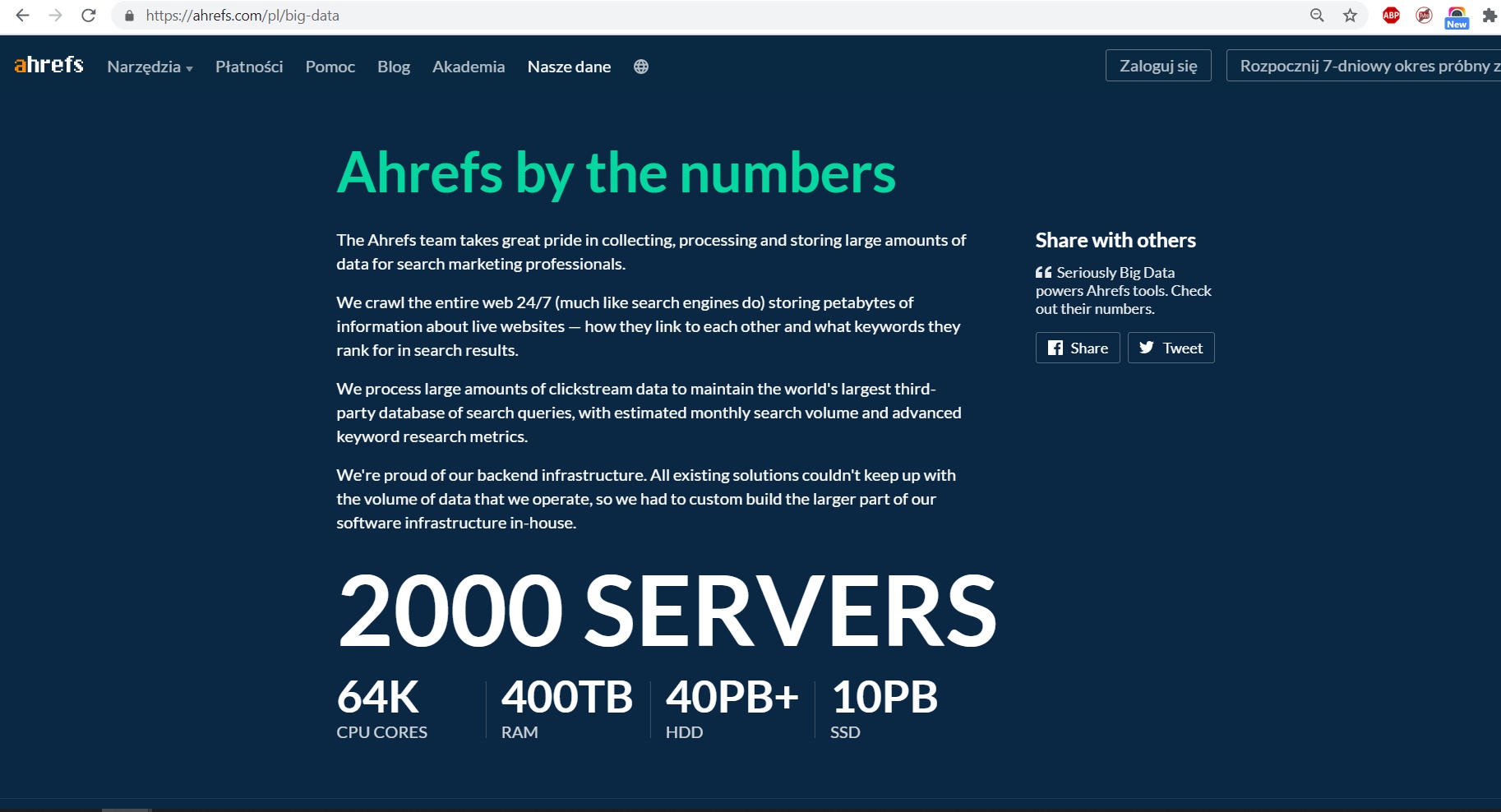
Senuto is a tool primarily based on analyzing a site’s visibility in Google Search. It allows position monitoring and has a large keyword database. How does it work? You simply enter any website address to receive all the key data indicating whether the domain is visible in search. For a selected period, it will show, for example, visibility in the TOP 3, TOP 10, and TOP 50. Senuto also works similarly to Google Ads’ Keyword Planner: you can enter a specific phrase and get other valuable suggestions along with their search frequency.
Senuto is a paid SEO tool. Depending on whether you pay monthly or annually upfront, you can save a bit by choosing the yearly plan. Depending on the plan, the cost ranges from 29 to 599 PLN. You can, however, try Senuto completely free for 14 days!
Majestic — an SEO tool for link analysis
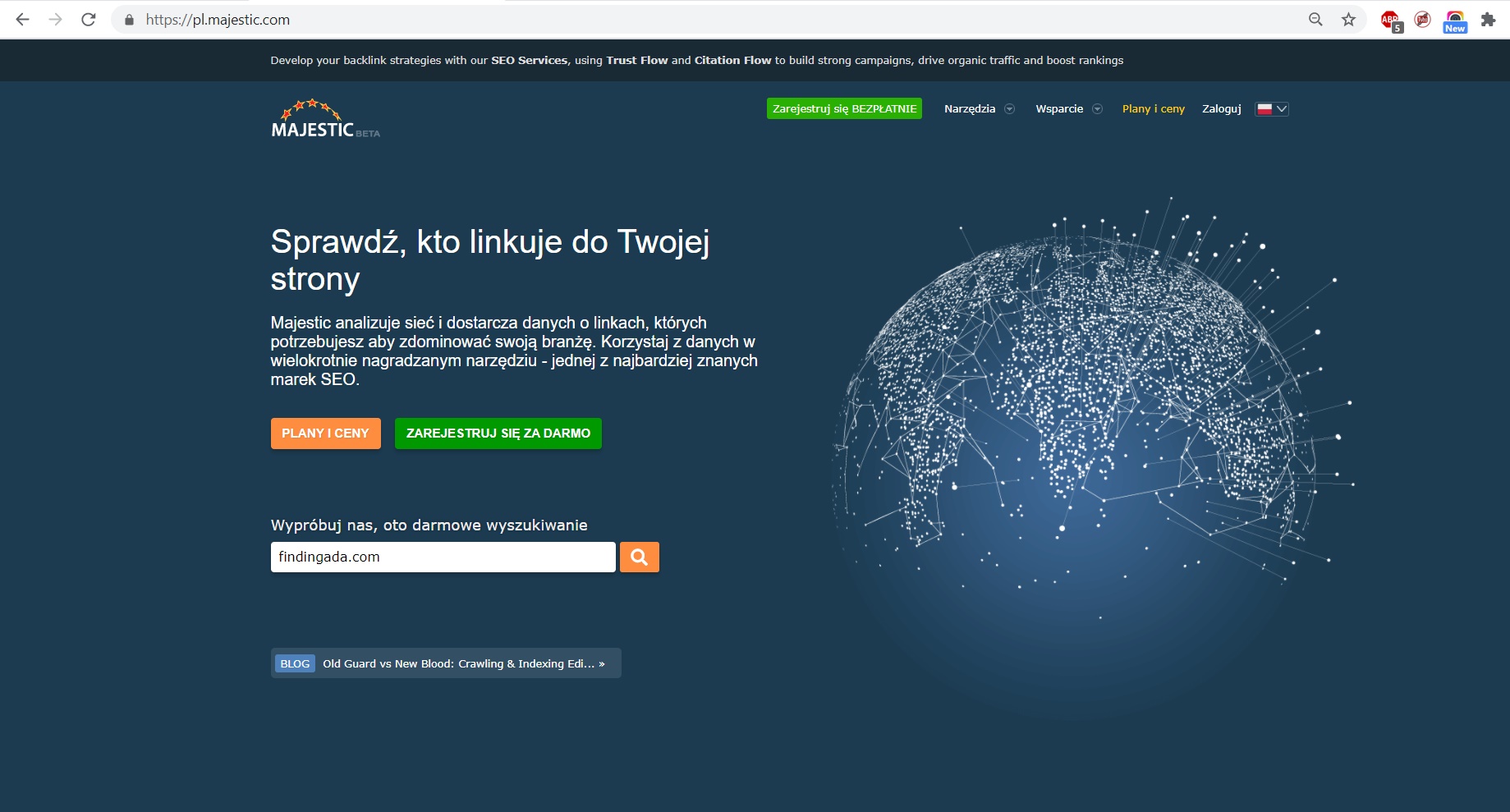
Majestic SEO is a tool that lets you analyze backlinks. As the creators emphasize on their site, it enables you to build a backlink strategy easily and seamlessly. Majestic provides a variety of data, including Flow Ratio, which helps you precisely analyze link equity flow. Importantly, the Majestic SEO database is very large and continuously improved. Majestic also provides keyword data (e.g., click-through rates) and supports in-depth analysis of search results. It allows you to compare different domains as well, which is often very useful. Pricing ranges from €46.99 to €379.99, depending on the plan; paying annually upfront can save you a bit.
SEMrush — one of the most popular SEO tools
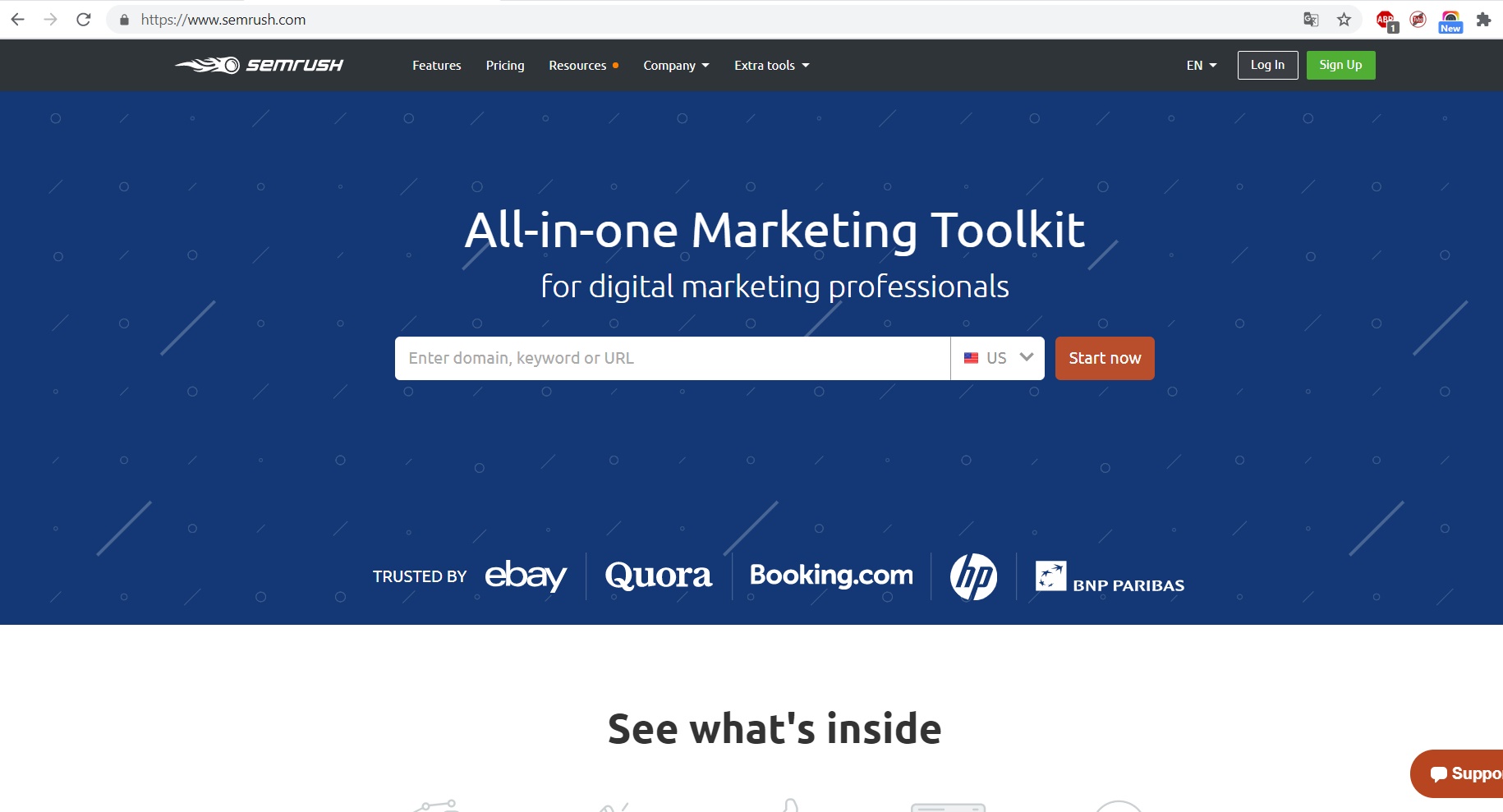
SEMrush is an SEO tool that helps you understand your current stage of optimization. It also lets you compare yourself with competitors, which is very important. SEMrush offers many features, so it’s used by beginners—but above all by agencies and advanced freelancers. What can you expect? SEMrush provides:
-
Domain Analytics — an overview of all data from the site, e.g., metrics, estimated organic traffic, keywords, paid data, and backlinks.
-
Keyword analysis — enabling you to find keywords and their parameters. This is one of the most common SEO-tool features; in SEMrush, you also receive many semantically related keywords connected to the phrase you enter.
-
Projects — a space that lets you manage projects and reports. This is especially useful for people who manage a larger number of projects or domains.
-
Marketing Calendar — helps plan a consistent campaign with other team members. This feature is most useful in agencies, where several people work on one client’s rankings.
As for costs, SEMrush is an SEO tool you can get starting at $99.95 per month on the lowest plan. The highest plan costs $399.95 per month. Paying annually saves you 16%. The Pro and Guru plans (the lowest and mid-tier) are available with a free trial.
Surfer SEO – a new standard among SEO tools
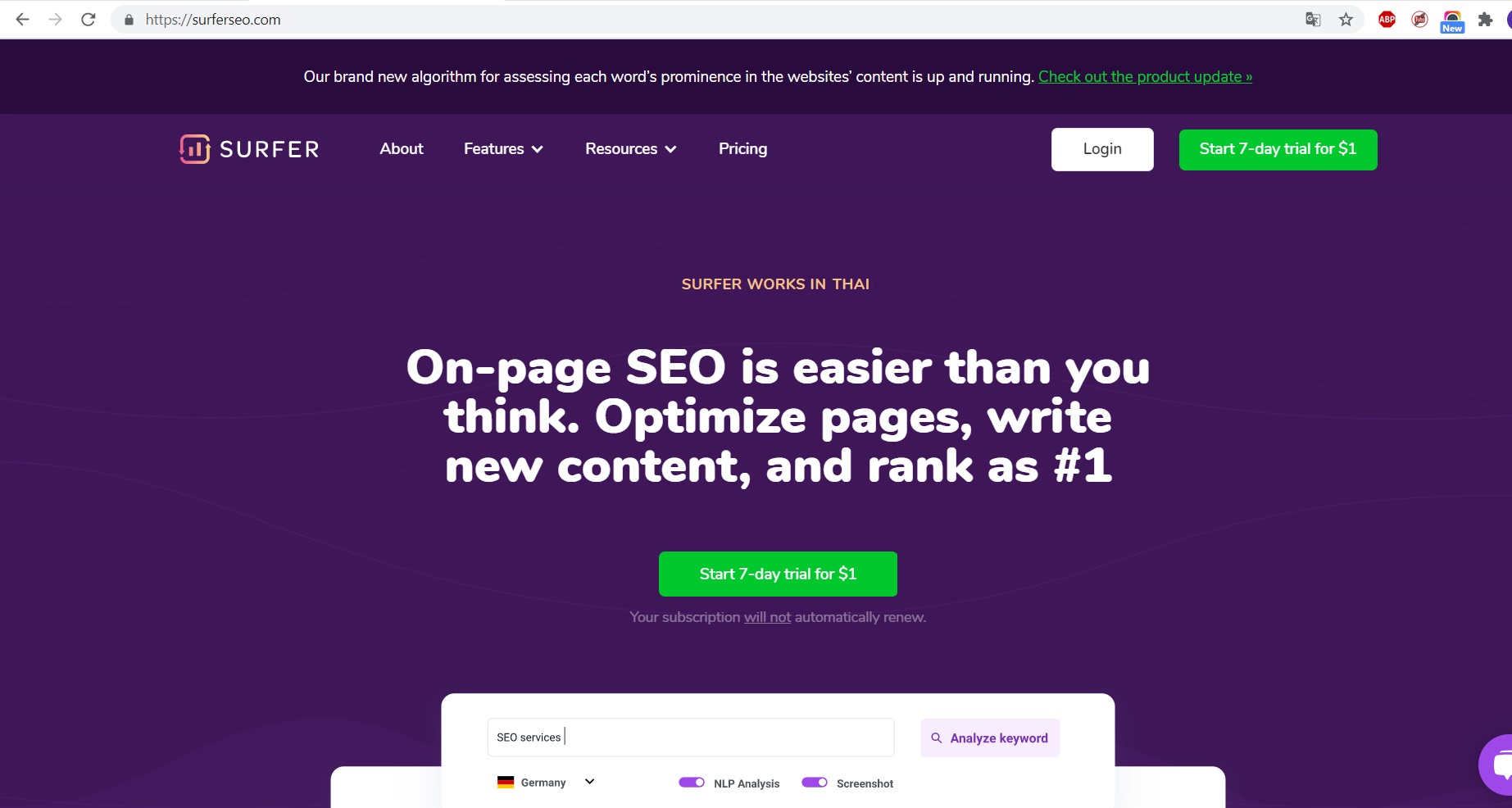
An absolute hit for anyone involved in SEO, whether a pro or a beginner. First and foremost, Surfer SEO is a Polish tool that has taken the online marketing world by storm—not only in Poland. Surfer is very simple and intuitive, letting you read all the key data you’re interested in. Even if you need a complex analysis—such as the number of characters in the title tag or the frequency and exact occurrence of a specific phrase—Surfer will handle it. You can also choose the scope you’re analyzing, e.g., exclude giants (like Allegro) from charts if they’re irrelevant to your niche.
Surfer SEO also makes content creation easier. It includes a module that suggests how many times a keyword should be used and how long texts should be for specific keywords. These recommendations are very precise and useful.
The monthly cost ranges from $59 to $199, depending on the plan. Paying annually can save you up to 20%, and for $1 you can get a 7-day trial.
Screaming Frog – one of the fastest SEO tools
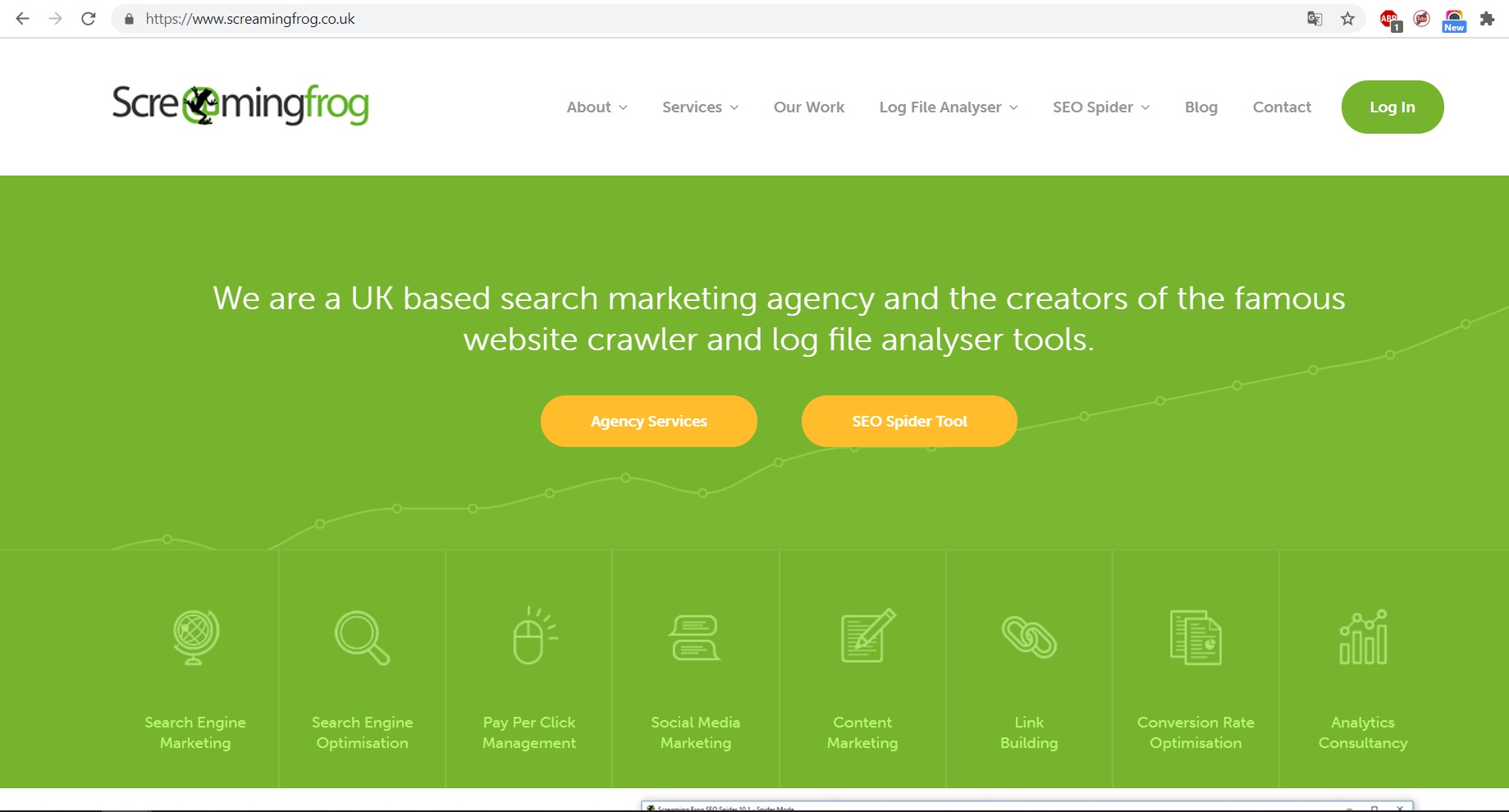
You’ll often hear SEO experts talk about Screaming Frog. This popular “frog” is an advanced website crawler that reveals all of a site’s strengths and weaknesses from an optimization perspective. The desktop version lets you analyze not only your own site but any other as well. Screaming Frog provides information about errors, improper redirects, duplicate content, and link-related data, and is considered best-in-class by many SEO specialists. This SEO tool is available as a paid version for £149 per year or a free version with significant limitations.
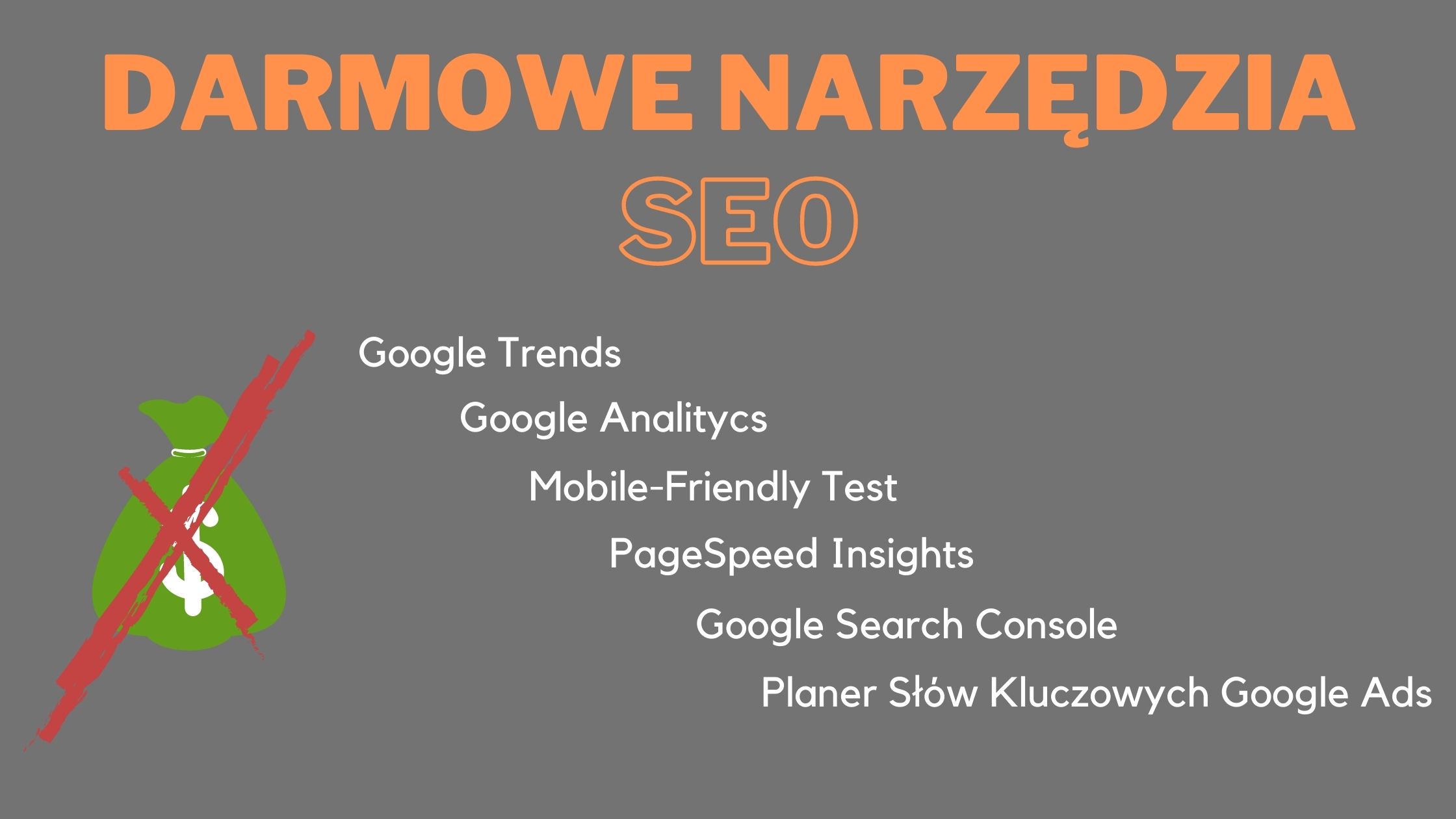
Free SEO tools
We’ve covered the SEO tools you have to pay for. But there are also those that won’t cost you a penny! Here they are.
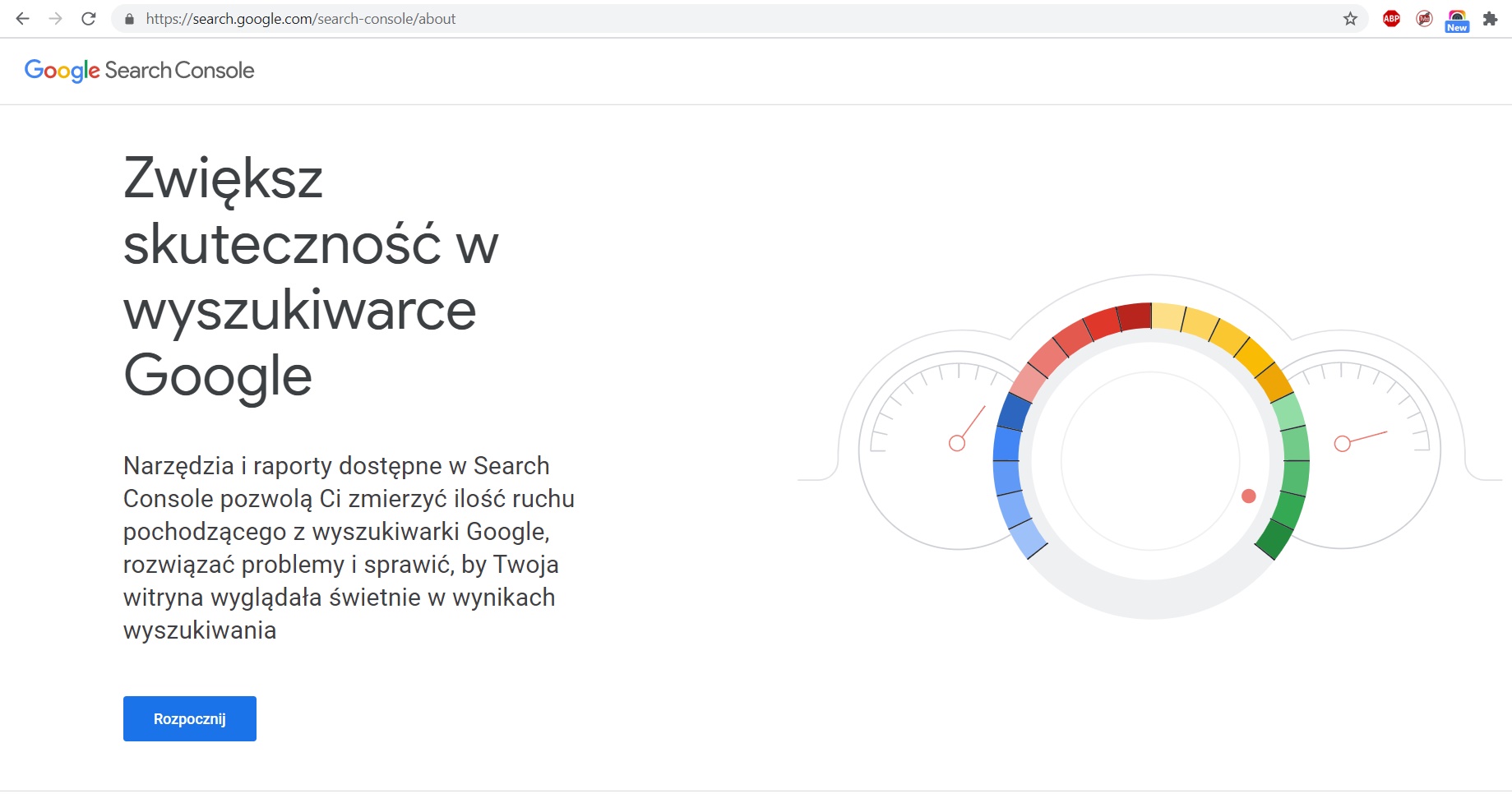
Google Search Console – a fundamental SEO tool and more
Google Search Console is Google’s basic SEO tool that helps check a site’s indexation as well as any errors. It lets you verify inbound links to the website, the queries that trigger a given page to appear, and how many clicks those keywords generate.
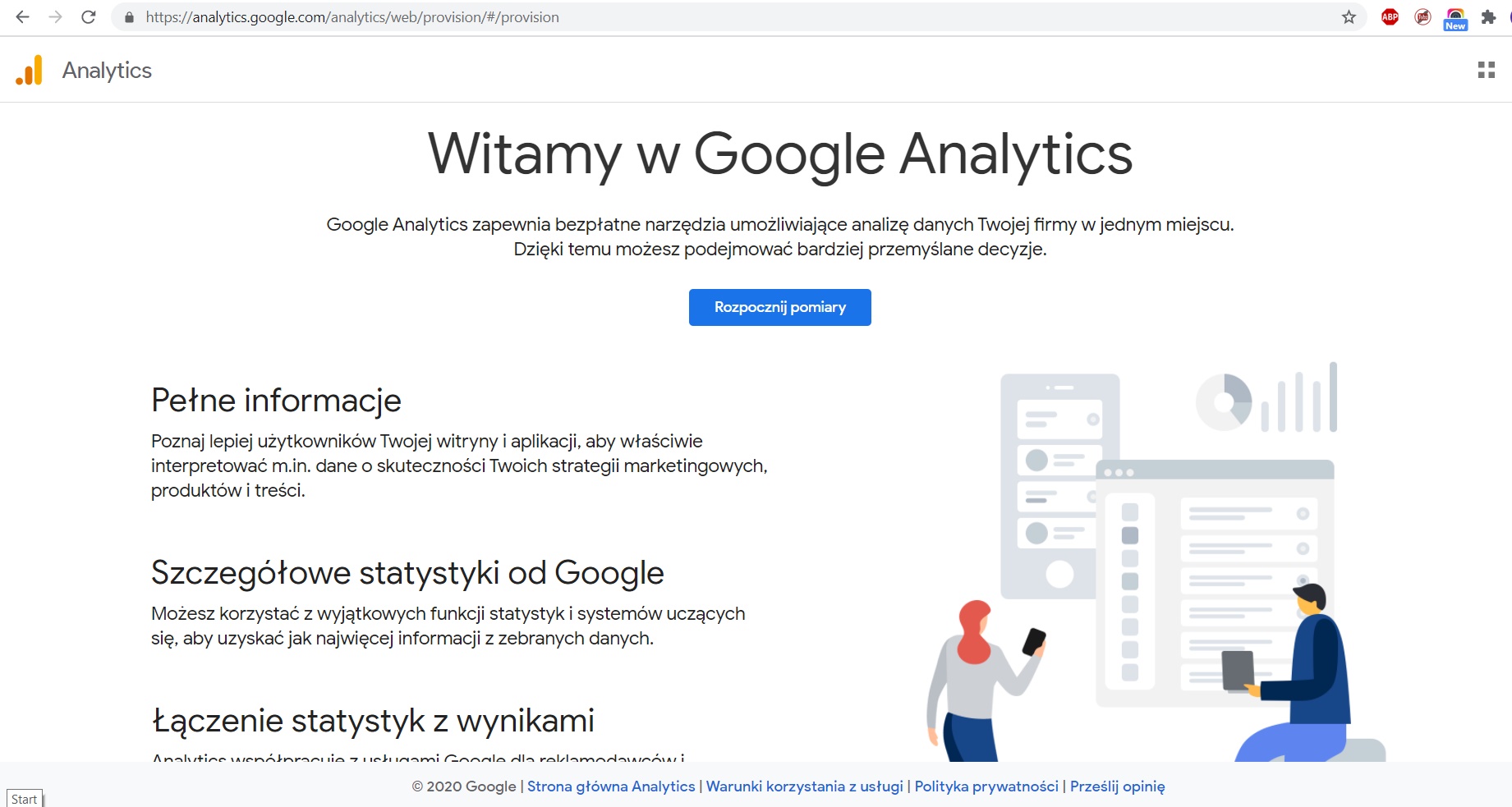
Google Analytics — traffic statistics are the foundation, not only in SEO!
The most popular tool for all websites. It’s used primarily to check site traffic, user flows and demographics, and the popularity of specific subpages. But that’s not all it can do. With Google Analytics you can see the bounce rate of particular pages and identify which ones convert well.
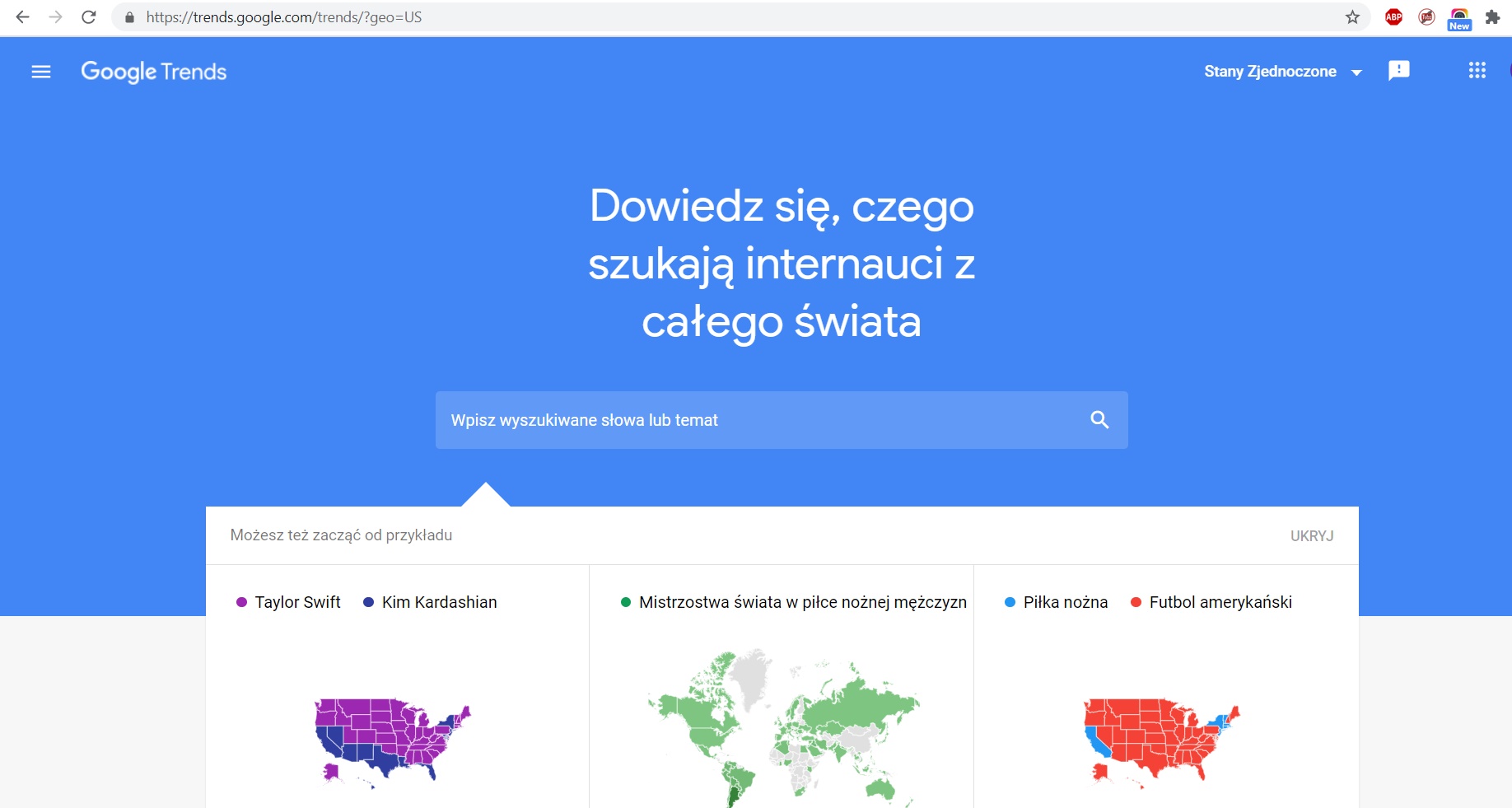
Google Trends – discover trends on the internet!
The Google Trends tool provides data about internet users—their preferences and the tendencies currently shaping the online world. With it, you can learn how often a specific phrase is searched by a defined audience. Google Trends is especially useful in businesses with strong seasonality.
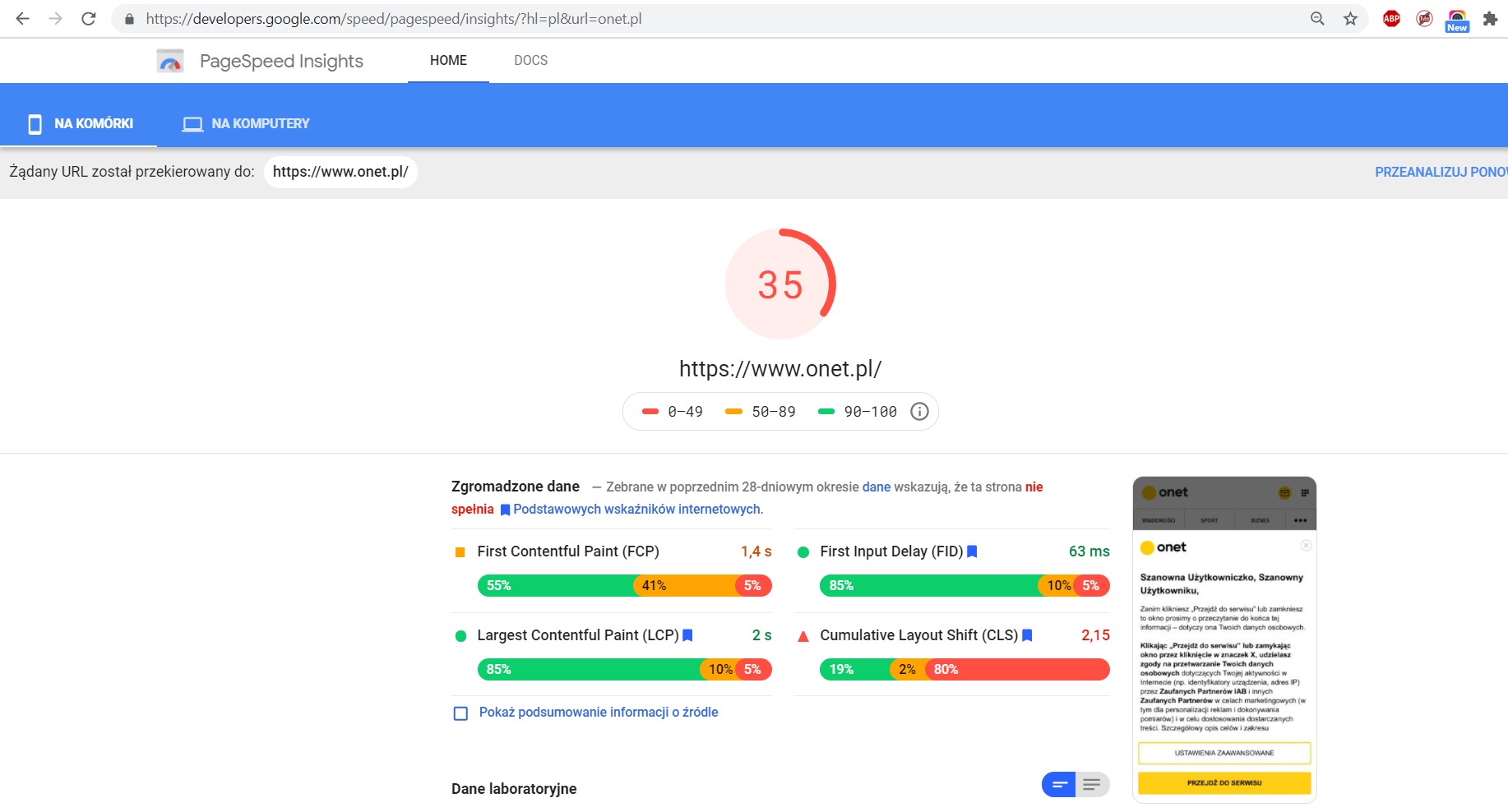
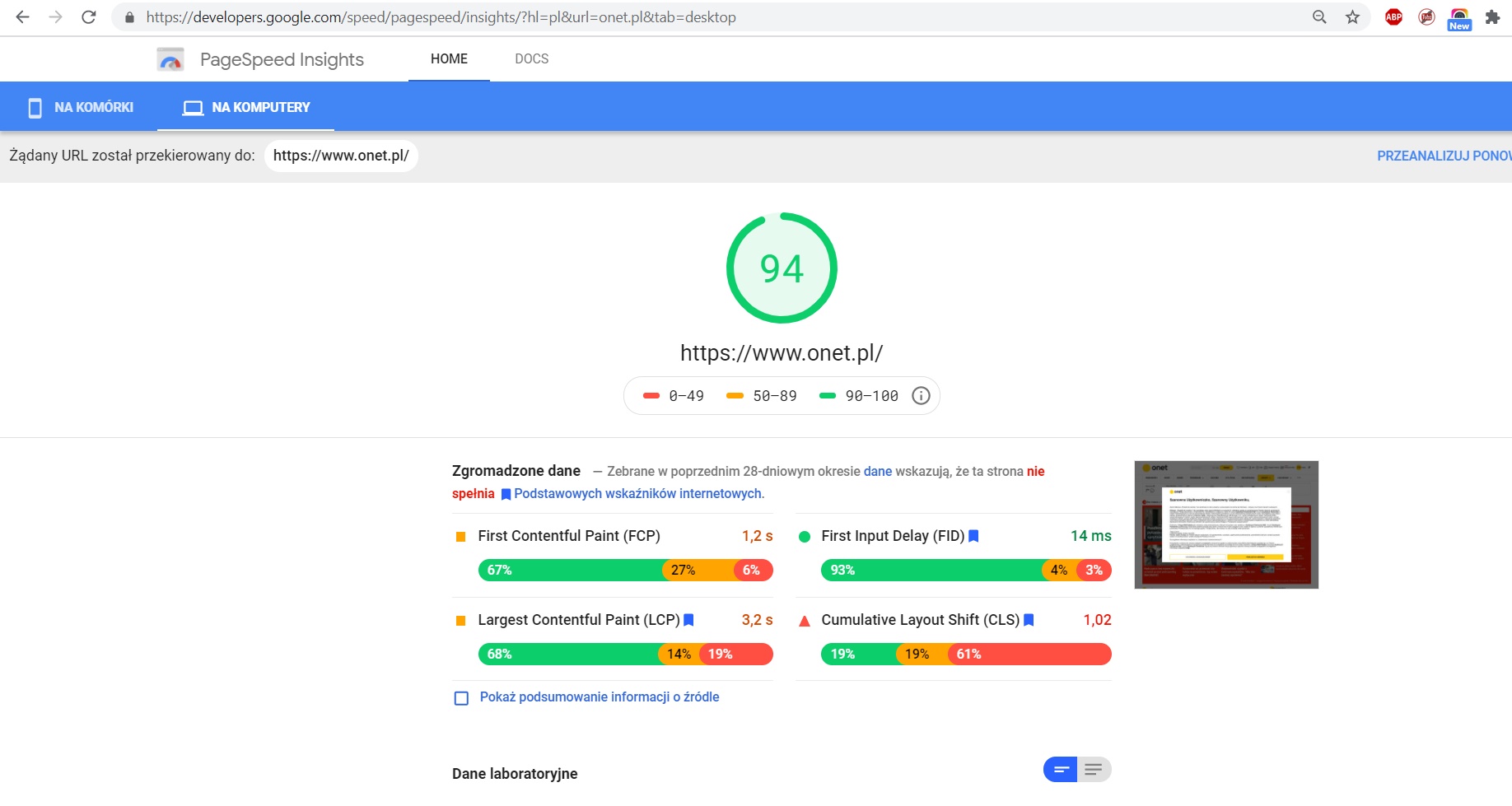
PageSpeed Insights — check your site’s speed
Mobile-Friendly Test — does your site work on smartphones?
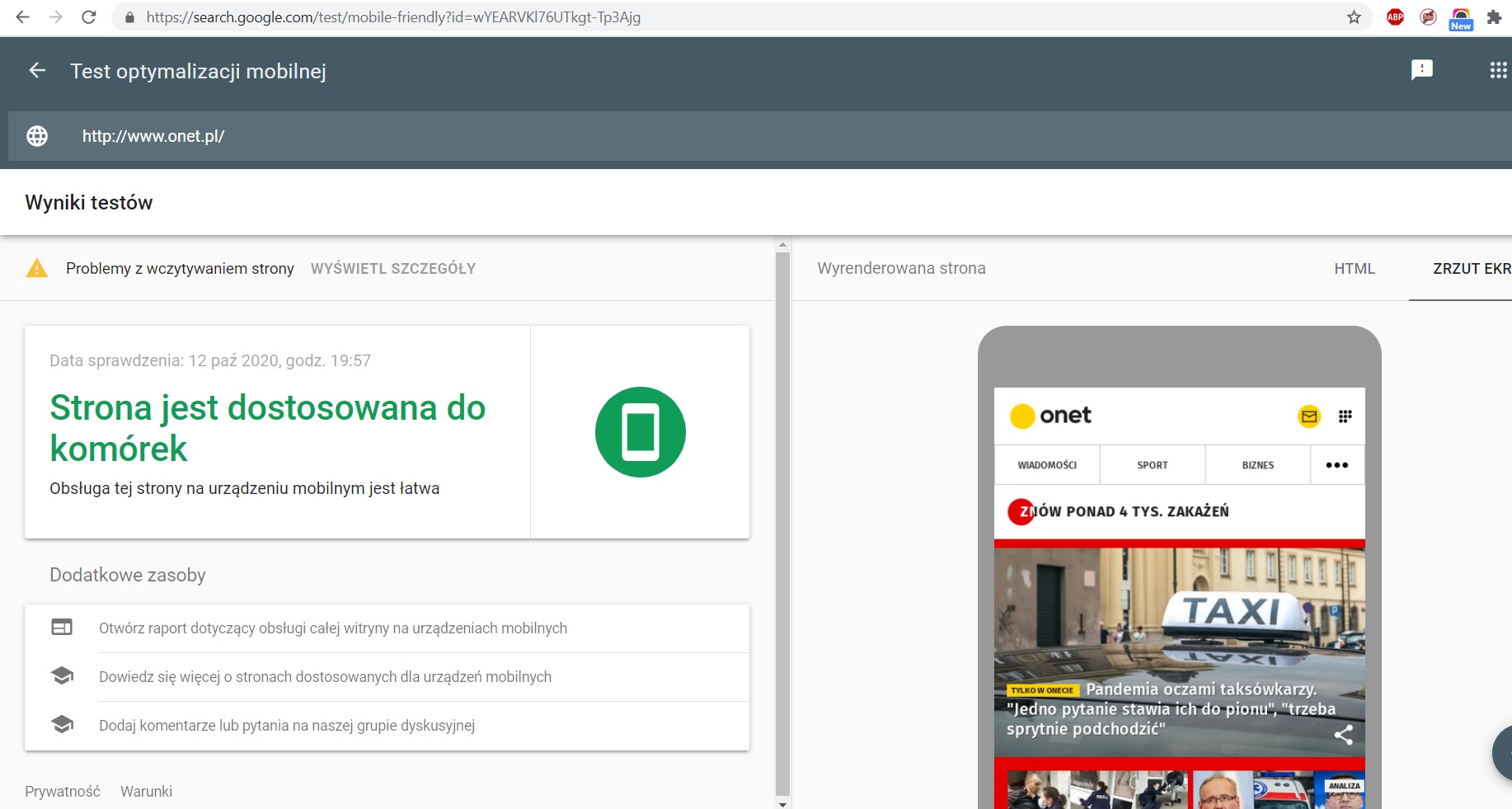
This is another option closely tied to implementing UX principles. It lets you assess whether your website is friendly to mobile users. Remember that most people use smartphones. According to a GUS report, nearly 90% of people aged 16–24 use the internet on mobile devices. Fewer than 30% use a laptop. In the 16–74 age group, almost 50% choose to use a phone. The Mobile-Friendly Test is therefore a very important SEO tool that helps prepare a website for real-world use.
SEO tools — does Google Ads come in handy?
Despite the fact that Google’s advertising system is primarily intended for creating ad campaigns, it has a feature that greatly facilitates the work of SEO specialists: the Keyword Planner. It helps determine how often a specific phrase is searched and also suggests other terms that may be similar. It’s a good starting option that allows you to plan your optimization efforts easily and efficiently.
SEO Tools — WordPress plugins that support optimization
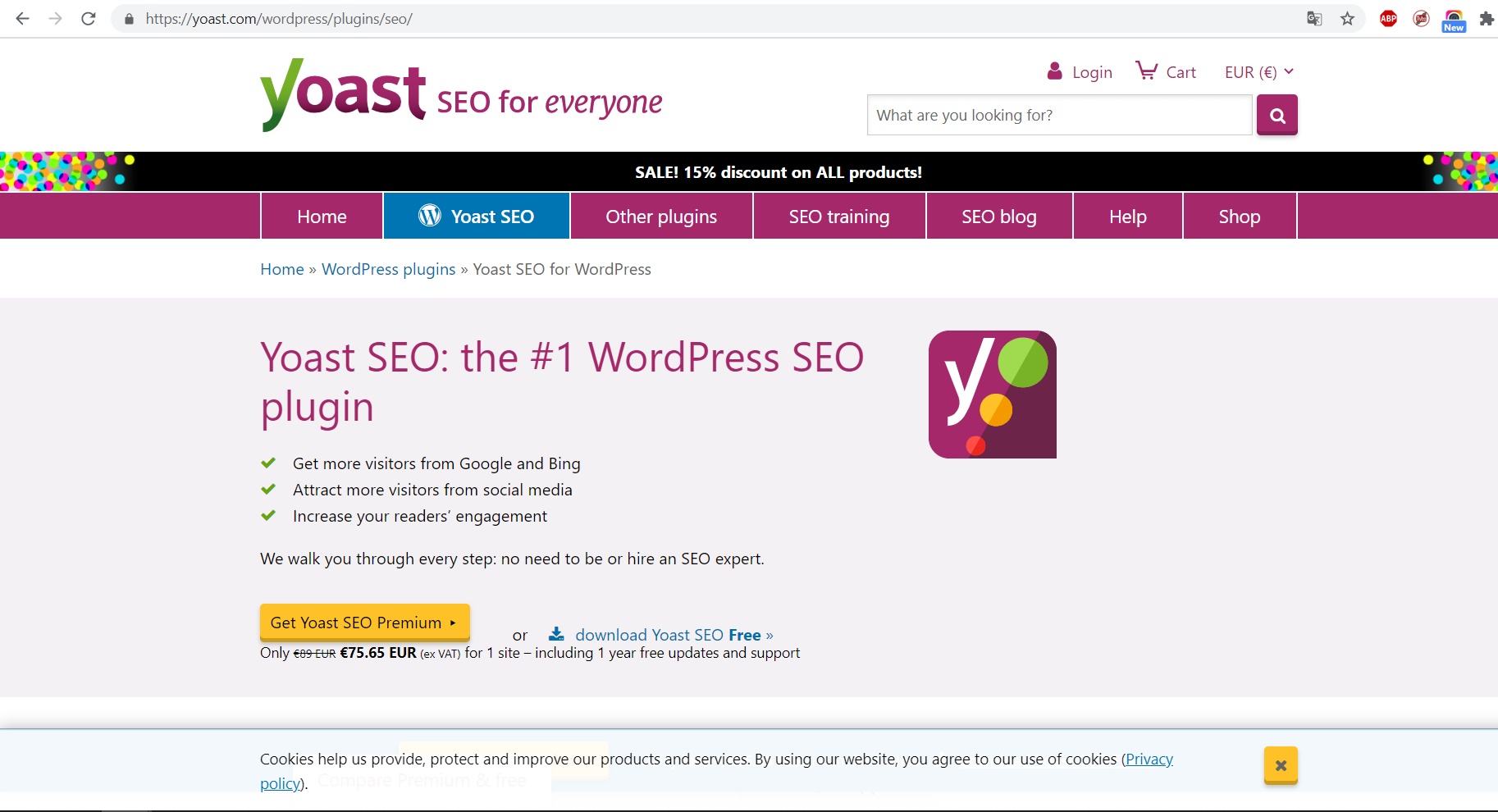
If your site runs on WordPress, you can use several plugins to help you get started with SEO. These aren’t classic SEO tools, but they make optimizing your website much easier.
Yoast SEO
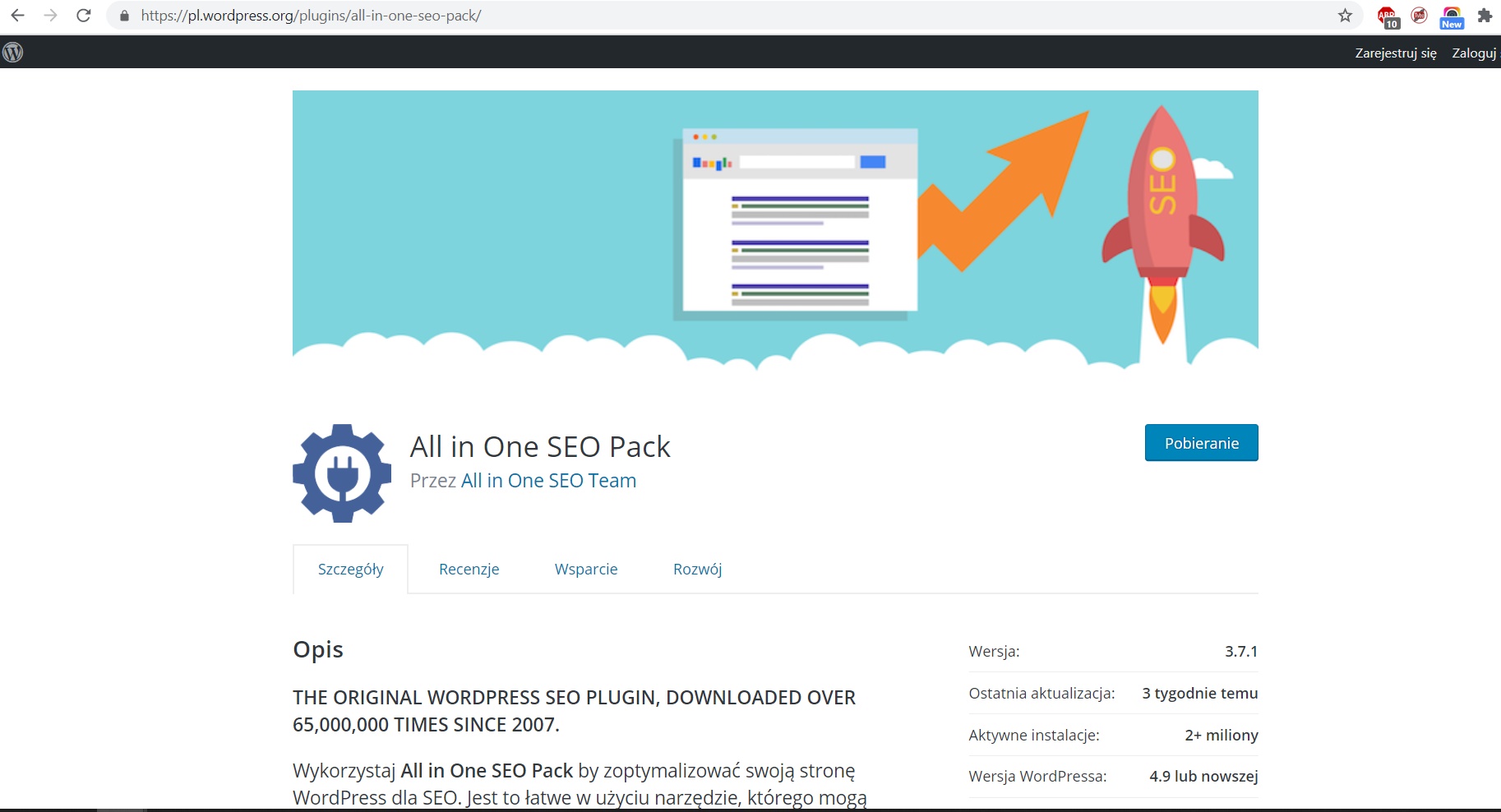
All in One SEO Pack
The SEO Framework
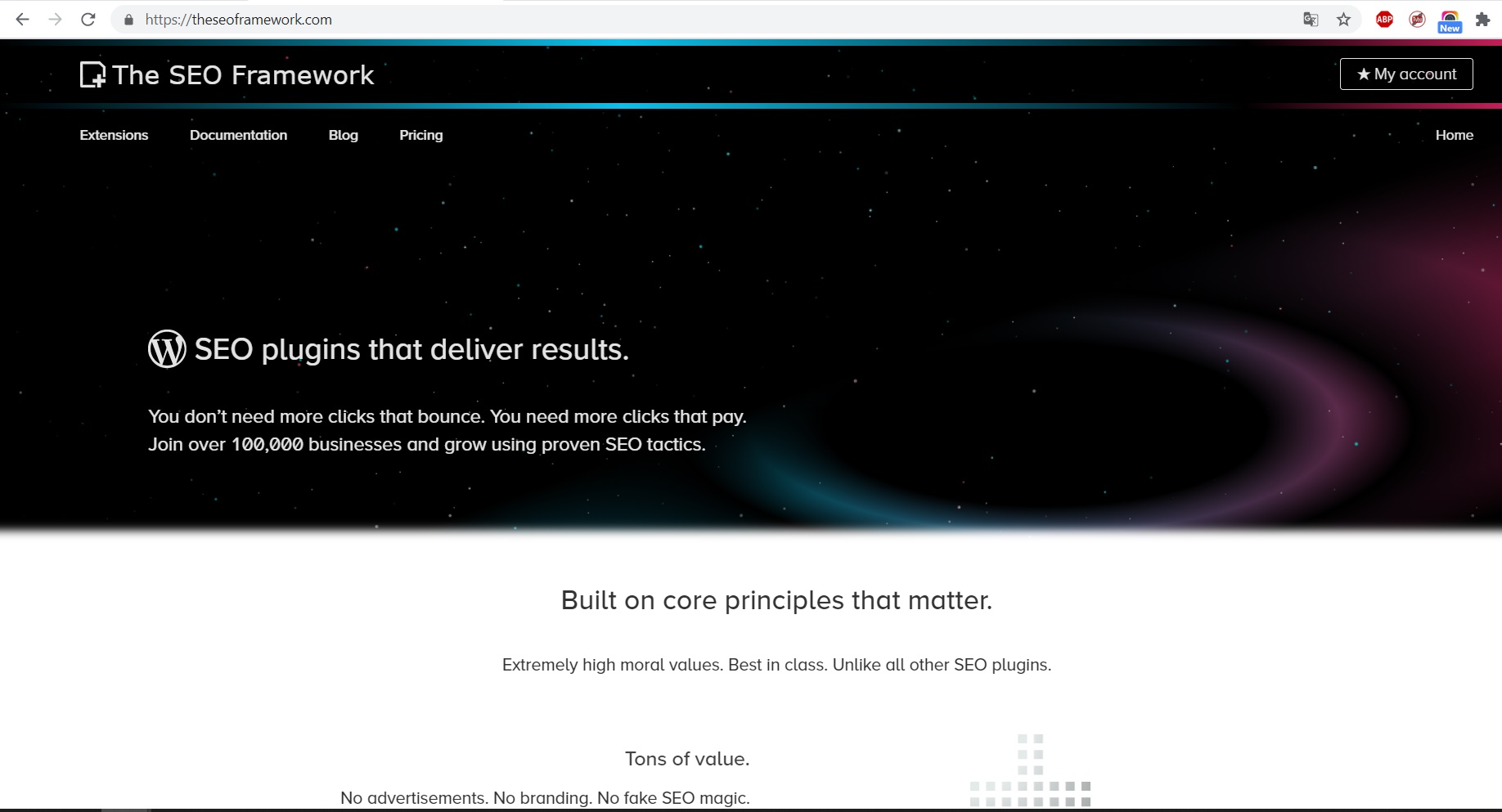
This plugin is a great fit for people unfamiliar with SEO. It’s an SEO tool that lets you make the on-site optimizations required for effective SEO work. However, it doesn’t include add-ons or a complicated interface that might leave you feeling lost.
As you can see, SEO is a very important segment of online promotion, so if you run an e-commerce site, a classifieds portal, a blog, or a news service, you definitely need to get familiar with it!