What are settlement models – CPS, CPL, CPC?
CPS, CPL, CPC? These aren’t political parties! If you’re just starting your adventure in the world of affiliate marketing, these mysterious abbreviations have probably caught your attention. Today we’re breaking down Cost Per Sale and other compensation models used by advertisers in affiliate programs.
CPS – Cost Per Sale (commission on sales)
Cost Per Sale (CPS) is simply a commission earned from sales. This means that the publisher receives a commission on the sale of products promoted on their websites or social media channels. If a user clicks an advertising asset (an affiliate link, product widget, or banner), goes to the advertiser’s store, and makes a purchase within 30 days—either of the promoted products or any others—the publisher earns a commission based on the value of those sales.
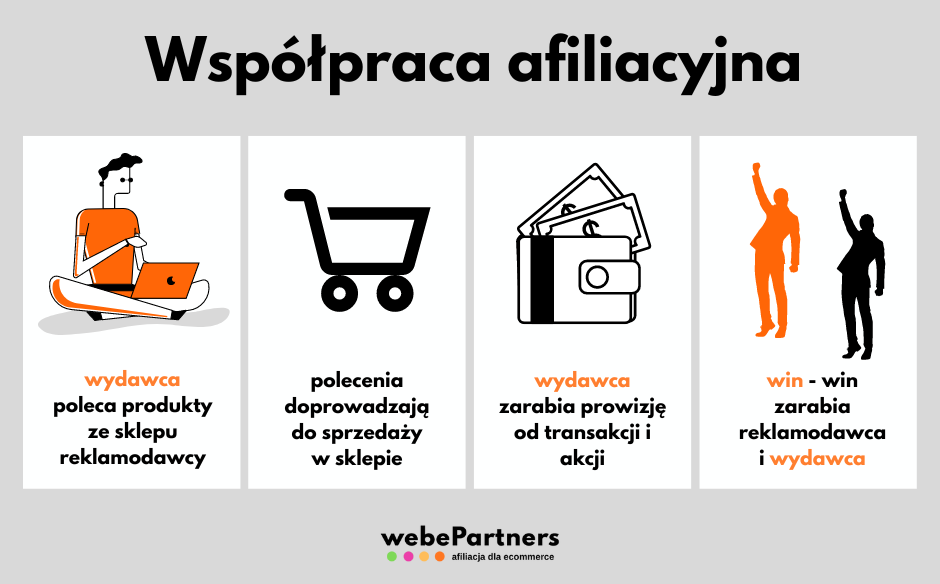
Cost Per Sale (CPS) is the most common model in e-commerce affiliate marketing because it offers a reasonable balance of benefits for both publishers and advertisers. In this model, the commission is granted only when a purchase actually occurs in the advertiser’s store. Therefore, advertisers take on no risk—they pay strictly for the results driven by publishers’ promotional efforts.
For publishers, the Cost Per Sale model is also appealing because it supports long-term cooperation with advertisers and provides full freedom in how they operate. More importantly, when publishers choose products well and match them to their audience, they can achieve high sales conversions. This means that even a small number of clicks or visits to the advertiser’s store can result in frequent purchases and substantial commissions.
Cost Per Sale – cookie lifetime
In the Cost Per Sale model, the cookie lifetime is typically 30 days. This means that the customer referred by a publisher doesn’t have to make a purchase immediately. The cookie duration and additional tracking parameters ensure that if the customer doesn’t buy anything during their first visit but decides to complete the transaction later, the commission will still be credited to the publisher.
Importantly, the customer does not need to return to the advertiser’s store via the affiliate link, widget, or banner for the publisher to receive the commission. The purchaser may revisit the store directly or through any other traffic source.
The cookie lifetime is defined individually in each affiliate program, but 30 days is a common minimum. This gives the customer a full month to make a decision, ensuring that the publisher still earns the commission. The Cost Per Sale model provides both sides—publishers and advertisers—with clear, predefined terms of cooperation.
Cost Per Sale – key advantages
-
long-term cooperation between publishers and advertisers
-
flexibility and independence in how publishers operate
-
performance-oriented collaboration
-
measurable actions and outcomes
-
no unnecessary formalities or quota requirements
Cost Per Sale / CPS – who are publishers?
Anyone using the Internet can become a publisher. There are no special requirements, and no contract needs to be signed. You simply register with an affiliate network and accept the terms of cooperation. There are no fees involved. Registration, joining affiliate programs, and using affiliate tools are always free for publishers.
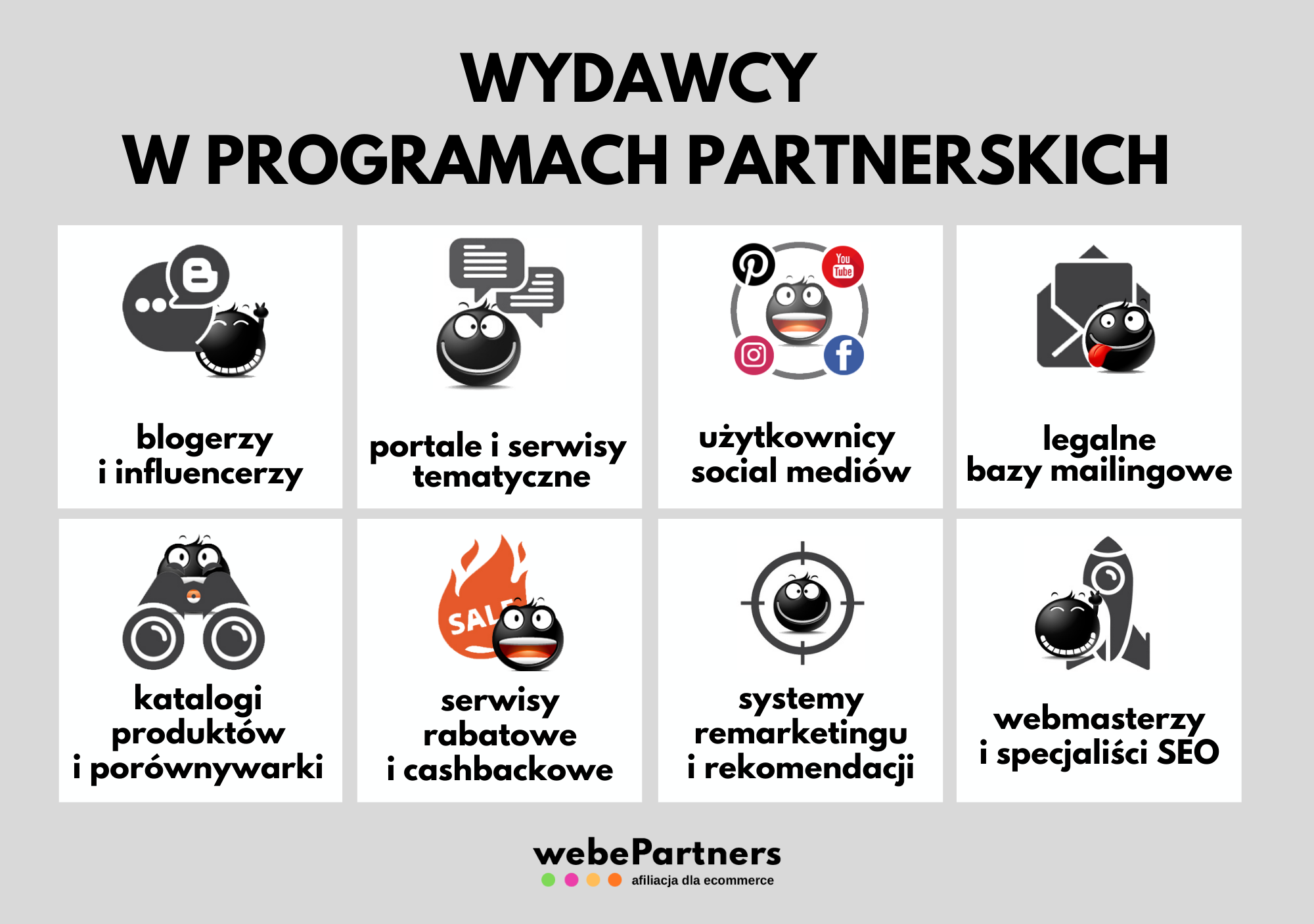
Groups of publishers working with CPS
Bloggers are eager to work in the CPS model because their platforms bring together large communities of users who actively look for recommendations. A common example is product rankings—electronics, cosmetics, and more—which help readers explore the opinions of someone they trust and then jump to the store with a single click to make a purchase. What does the blogger gain from this? By using affiliate links, they earn a commission on every sale they generate. Additionally, creators can use banners and widgets, which serve as appealing and informative visual assets.
YouTubers, influencers, and users of social media platforms such as Facebook, Instagram, and Pinterest are among the groups that use Cost Per Sale most enthusiastically. In their online spaces, they can include affiliate links directing users to the advertiser’s store. Every sale generated this way translates into a commission for the publisher. A great example is Instagram Stories: when influencers present or discuss a product—say, jewelry—they often add a link using a Link Sticker that takes users directly to the store page where the item can be purchased. That link can easily be replaced with an affiliate link. In practice, users often don’t even realize they clicked a recommendation that earns the influencer a commission.
Publishers who work successfully with CPS also include various websites—topic-focused sites, coupon platforms, price comparison engines, and product search services. They, too, can use affiliate links, banners, and widgets, which in these environments is exceptionally easy. Why? Because users visiting price comparison sites are usually already ready to buy; they’re simply looking for the best price. When they find it, they click the link and complete the purchase, allowing the site owner to earn a commission from the sale.
The last group includes mailing list owners, SEO specialists, and marketers. They can also participate in affiliate collaboration and earn revenue through the CPS model.
Cost Per Sale / CPS – earning tools
As mentioned earlier, depending on the type of website or communication channel you operate, you can choose from various tools to earn through affiliate marketing. If you work with an affiliate network, these tools are provided as part of the partnership, so you don’t need to worry about generating them on your own.
Affiliate links in the CPS model
Let’s start with what affiliate links are (also referred to as deep links or partner links). These are active URLs which, once processed through the affiliate system, register the number of clicks and the resulting online actions. Such actions may include sales in the store, form submissions, newsletter sign-ups, user registrations, or participation in promotions.
How do affiliate links work in practice under the CPS model?
Imagine you run a blog and you’ve published an article about the best kitchen gadgets, and you’ve included affiliate links throughout the post. When an Internet user visits your blog, clicks one of those links, makes a purchase, pays for the product, receives it, and does not return it, you earn a commission based on that sale.
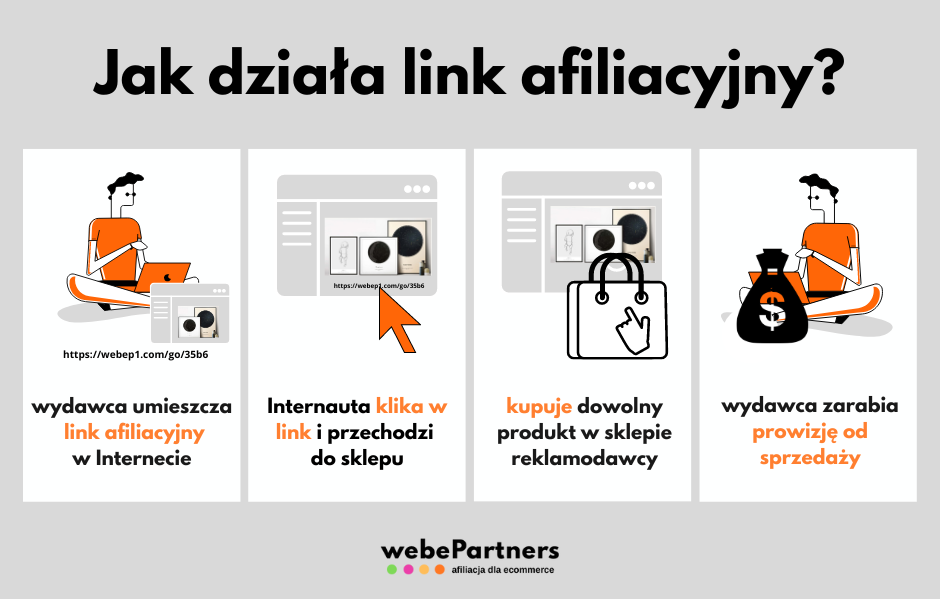
Affiliate links are the most commonly used tool in affiliate marketing because they can be placed almost anywhere. Just like any other active URL, you can insert affiliate links anywhere on your website, blog, or social media channels: Facebook, Instagram, Pinterest, YouTube, or Snapchat.
If you don’t have your own website and you’re not active on social media, you can still earn using affiliate links. They can be shared via email or through any messaging app, such as Messenger or WhatsApp.


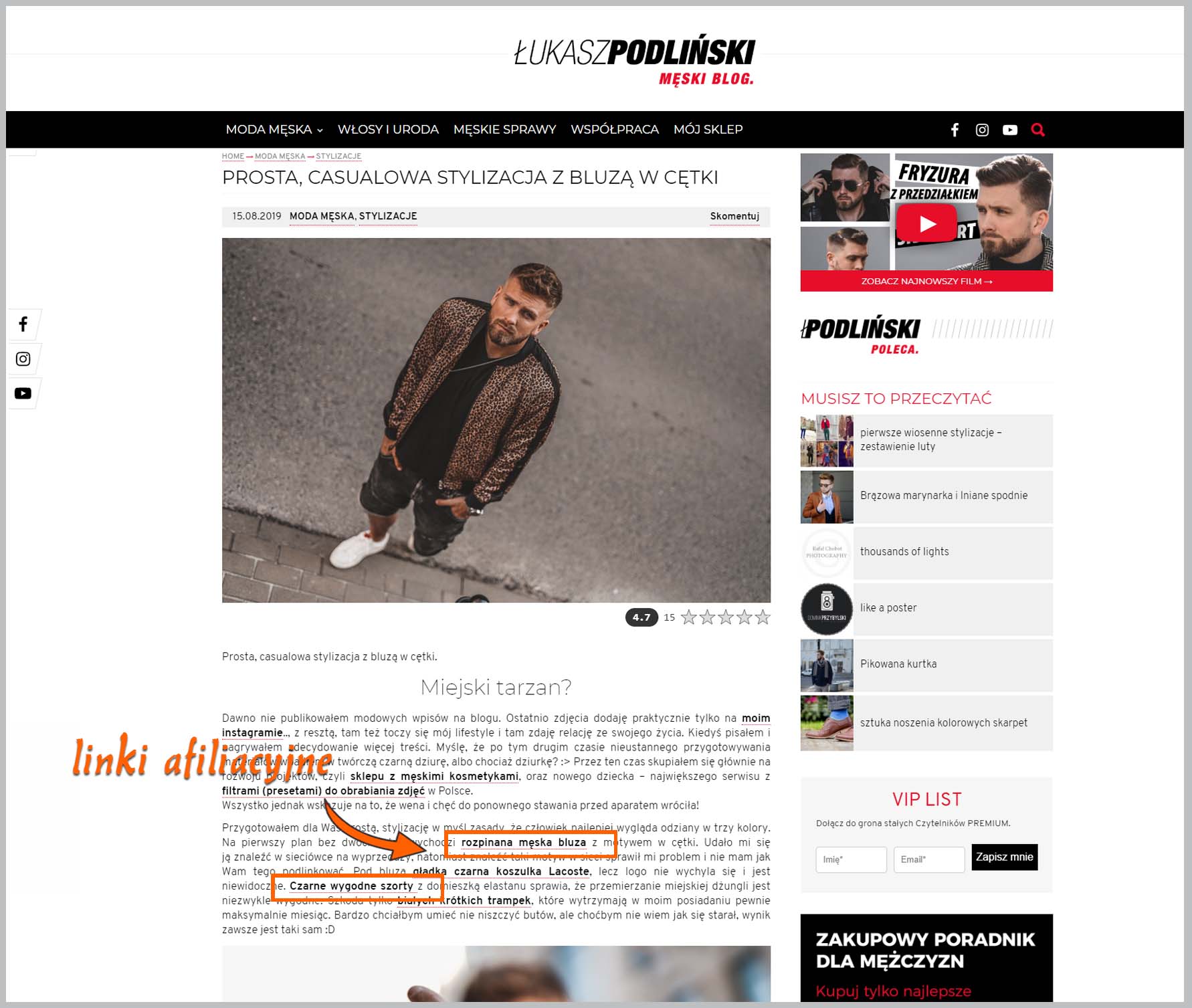
Here is an example of how affiliate links are used on the fashion blog run by Łukasz Podliński. When describing his outfit, the creator tells readers exactly what he is wearing. Some readers will simply treat it as inspiration, while others may want to recreate the look exactly. Users who want to purchase specific items will have easy access to them, and the creator earns money because they use his affiliate links. Once again, a win-win situation.
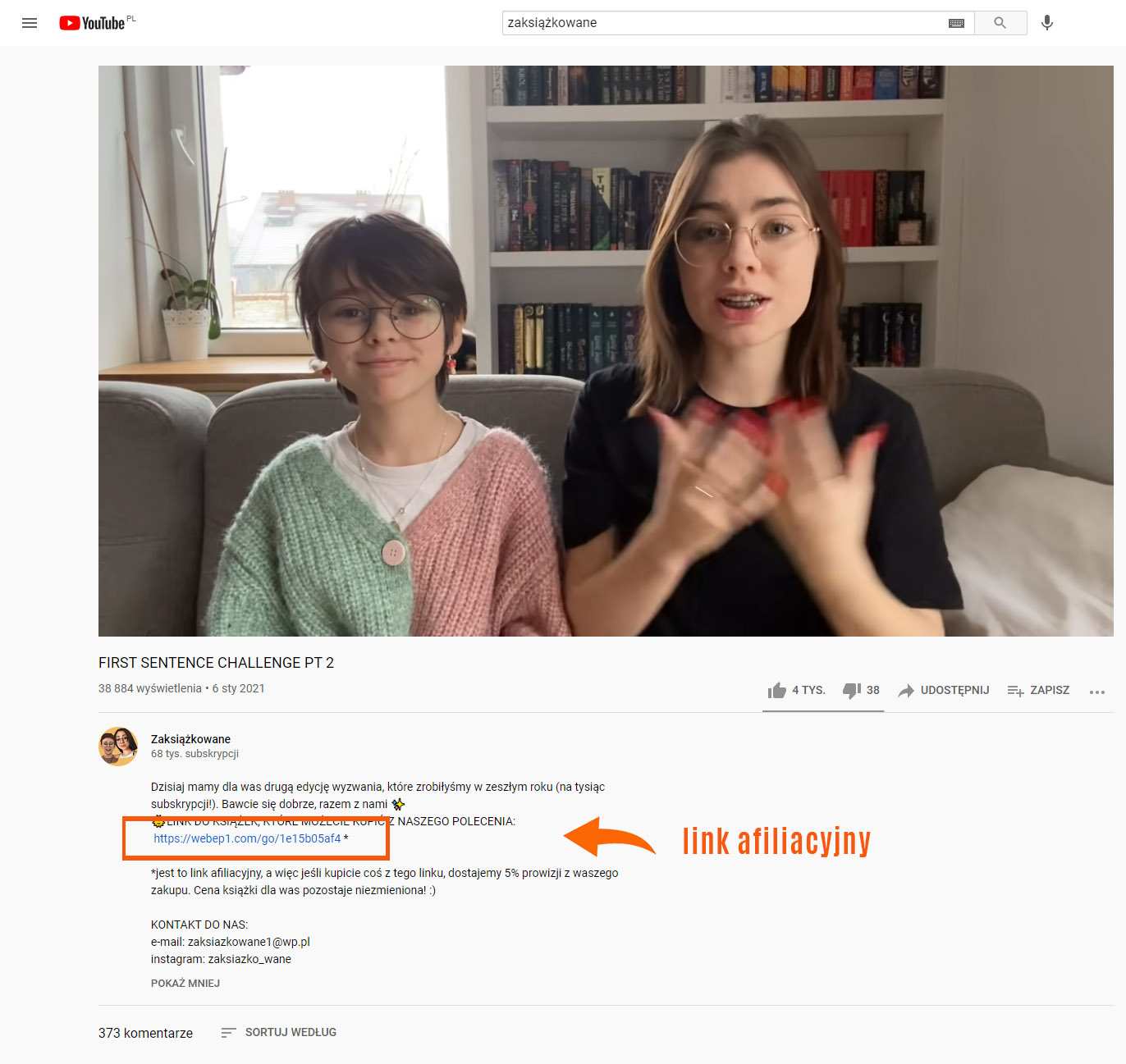
“Zaksiążkowane” is a YouTube channel run by two sisters: Tola and Zuzanna, who is eight years older. Both are passionate about books and share this passion with others on their channel. They regularly talk about their favorite titles and inspire others to read. YouTube imposes no limit on the number of affiliate links you can include in a video description, so it’s worth using that space to link every product recommended in the video. You can also, as Tola and Zuzanna do, add a single affiliate link leading to the store’s homepage—in their case, the bookstore—where most of the recommended books can be purchased.
Product widgets in the CPS model
A product widget is another tool used to earn money through affiliate marketing. It is defined as a graphical information element. In e-commerce, widgets display product images—typically along with their name and price, and sometimes a short description.
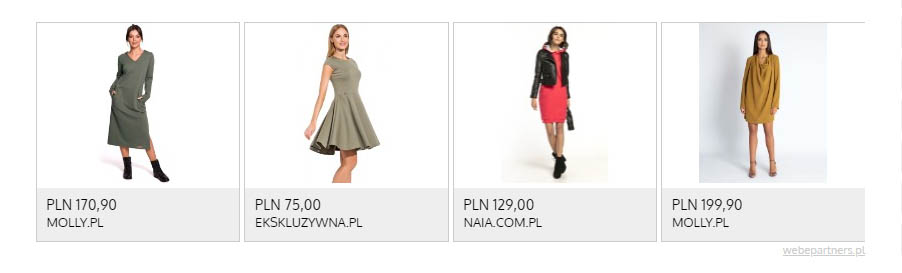
Using widgets comes with several key advantages that make them attractive both to affiliate publishers and to users:
-
visually appealing
-
available in static or dynamic form
-
customizable
-
easy to integrate into a website
-
responsive
-
unobtrusive
-
more discreet than banners
Each product shown in a widget has an embedded affiliate link. This means that whenever someone clicks any product within the widget, they are redirected to the advertiser’s store, and the publisher earns a commission if that click results in a sale.
Widgets are most commonly used by bloggers, niche websites, and product search engines. They make it possible to present several—or even a dozen—products from different advertisers at once. Setting up a widget is very simple: you only need to copy the code generated by the affiliate system and paste it into your website’s code. It’s important to note that widgets can be used only on websites where code can be inserted. Unfortunately, they cannot be used on social media profiles or in messaging apps.
XML files in the CPS model
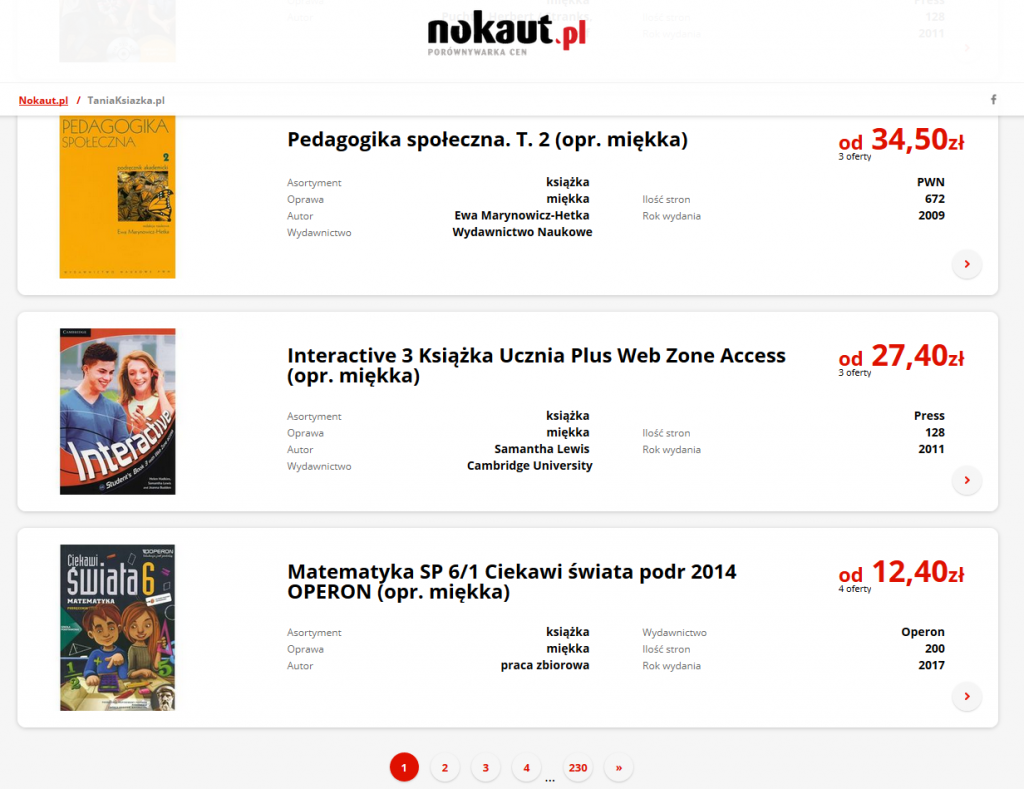
An XML file—short for Extensible Markup Language—is a structured format used to store and transfer data. In affiliate marketing, advertisers use XML files to provide the complete assortment of their store (the product feed), including prices and detailed specifications. For example, in the case of a bicycle shop, the XML file should contain all products along with descriptions and images, available bike sizes, color variants, and prices. Price comparison engines and product search platforms are the primary users of XML product feeds. The data in XML files is updated daily, ensuring the store’s offer is always current.
The XML file, or product feed, is an essential component of every e-commerce operation:
-
It supports automation within online stores and helps maintain control over all key aspects of the product catalog.
-
It enables collaboration between the store and publishers such as online marketplaces, price comparison sites, and product search engines.
-
It serves as the primary tool for delivering up-to-date product information to publishers promoting the store.
Banners in the CPS model
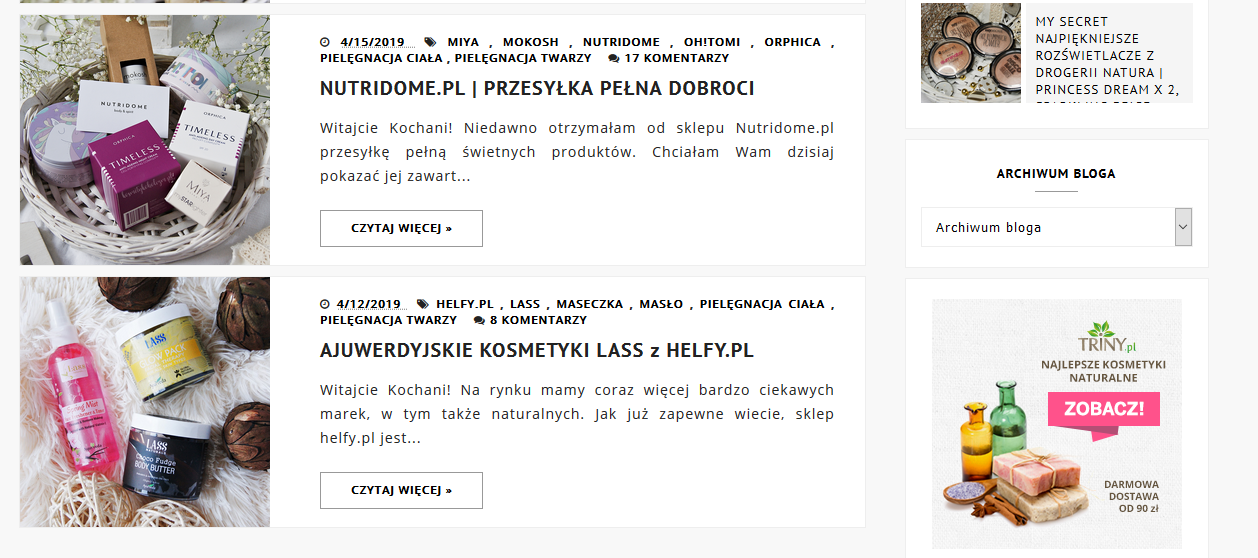
Online advertising banners are graphic creatives used by bloggers and owners of various websites to promote offers from different advertisers. Each banner is assigned a link that redirects to the appropriate landing page on the advertiser’s site, allowing interested users to access the offer directly.
In the webePartners network, which focuses on e-commerce, advertisers are not required to provide banners to publishers, as the main tools used by publishers are XML product feeds, affiliate links, and product widgets. Therefore, if you’ve joined a particular affiliate program but cannot find banners available, it means the advertiser has not yet uploaded them—but may do so at any time. If you need banners from a specific advertiser, you can contact the network, and they will try to obtain them for you.
Cost Per Sale / CPS – how to operate effectively and earn as a publisher?
As a publisher, you have access to a wide range of tools and methods you can use within affiliate marketing—but using them wisely is essential. Affiliate marketing is based on recommending products. This means your audience must respond to your recommendations for you to generate revenue. Today’s Internet is overflowing with content and products to buy. So how do you reach users and earn their trust?
1. Recommend only products you trust
The most important rule is that whatever you recommend should be something you have tested yourself or at least something you are confident is worth recommending.
2. Odpowiednio dobieraj programy partnerskie
Jeśli piszesz o rowerach, a nagle zaczniesz polecać kosmetyki, może nieść to za sobą dwa podstawowe problemy. Po pierwsze, na Twojego bloga czy profil w social mediach, przestaną wchodzić osoby, które rzeczywiście były zainteresowane tematem rowerów, ponieważ uznają, że Twój content się zmienił. A po drugie, wiele osób straci do Ciebie zaufanie, gdyż zbudowałeś w nich obraz siebie, jako autorytetu w sprawach rowerowych, a nie kosmetycznych. Działanie w programie partnerskim z branży urodowej sprawi więc, że klienci potraktują Twój profil jak miejsce z nachalną reklamą. Nie oznacza to jednak, że musisz zapomnieć o reklamowaniu czegokolwiek, co nie jest odzieżą sportową, czy częściami rowerowymi. Jeśli wybierzesz program partnerski z branży beauty, w ramach którego rekomendować będziesz kosmetyki wykonane specjalnie dla kolarzy, sprawa będzie miała się zupełnie inaczej. Wciąż zostaniesz w swojej tematyce i polecisz przy tym swoim użytkownikom przydatny produkt.
2. Choose affiliate programs that match your niche
If you write about bicycles and suddenly begin promoting cosmetics, two problems may arise. First, people who visited your blog or social media because they were genuinely interested in bicycles may stop returning—they’ll feel your content has shifted. Second, many may lose trust in you because they viewed you as an authority in cycling, not beauty. Participating in a beauty affiliate program may make your profile look like a place full of intrusive advertising.
This doesn’t mean you must avoid recommending anything outside sportswear or bike parts. For example, if you join a beauty affiliate program that sells skincare products designed specifically for cyclists, the situation is completely different. You stay within your niche and still offer your audience a relevant, helpful product.
3. Test affiliate tools, their placement, and the way you present them
We’ve described several affiliate tools above, but not all are available to everyone. If you don’t have a website, you cannot use widgets, banners, or XML feeds—you will rely only on affiliate links. If you do have a site, you need to evaluate which tools will work best for you.
Bloggers often choose affiliate links and widgets because they can match them to the aesthetics of their website. Price comparison engines, however, cannot function without XML product feeds. It’s essential to test the effectiveness of different tools and avoid giving up if your first attempts don’t bring the expected results.
4. Recommend in moderation
The frequency of posts using affiliate tools is a somewhat controversial topic. Publishing entries with affiliate links or banners regularly is important from the publisher’s perspective because it allows consistent earnings. However, it’s important not to overwhelm users with too many advertising elements.
For example, if you’re creating a ranking of the best hand creams on your blog, it makes perfect sense to include several affiliate links in a single post. But if you’re recommending a cream on Instagram Stories, posting several affiliate links in a row using the link sticker feature may feel overwhelming—although it’s not impossible. You need to understand your audience well and tailor your message to their expectations. This is the only way to build a lasting relationship with them.
Collaborate and Earn as an Advertiser
Advertisers should also pay close attention to the publishers they select for their program. Why? Because these publishers become ambassadors of the brand, so it’s important that they genuinely fit the company’s profile. When choosing partners, an advertiser should look at the publisher’s industry, as well as their reach and the level of engagement within their audience.
How to encourage publishers to collaborate under the Cost Per Sale model?
1. Promote your program
It’s worth creating a dedicated subpage on your website describing the benefits of joining your affiliate program. This way, individuals interested in working with you will reach out on their own.
2. Invite publishers directly
Do you know websites, bloggers, or influencers you would like to have in your affiliate program? Invite them! Nothing works better than a personal approach and a direct invitation to collaborate.
3. Regularly review publishers, approve orders promptly, and pay commissions on time
Delays are not perceived positively by publishers. If they have to wait too long for acceptance into your program, they may lose interest or choose another advertiser. The same applies to order verification and commission payouts. Although you formally have 30 days to verify an order (whether the transaction was completed, whether the item was returned, etc.), the more efficiently you handle these steps, the more satisfied your publishers will be.
4. Keep your advertising creatives up to date
Well-designed, visually appealing banners and regularly updated data in the XML feed allow publishers to work efficiently. The easier the collaboration, the more willing publishers are to join.
5. Provide discount codes
Internet users are constantly looking for deals on products they want to buy. By offering unique discount codes to publishers—codes they can share with their audiences—you make the cooperation more attractive. Today’s publishers think not only about their own earnings, but also about offering value to their followers. That’s why generating discount codes is so important.
6. Respond to publisher feedback and collaborate with all parties involved in the affiliate ecosystem
Feedback from publishers is extremely valuable, as are their requests and questions. As an advertiser, you should ensure that all doubts are addressed and that reasonable suggestions regarding cooperation are considered. This is the only way to build long-term, loyal relationships with publishers. Also remember that affiliate marketing is a three-way collaboration between the publisher, the advertiser, and the affiliate network. It’s essential to handle all processes efficiently whenever you are asked to take action.
If not Cost Per Sale, then what?
CPL – Cost Per Lead (a fixed rate for a specific action)
The CPL model—cost per lead—functions quite differently from CPS. Here, the advertiser does not pay a commission on sales but a fixed fee for completing a specific action (a lead), clearly defined in the terms of the affiliate program. These actions can vary widely: filling out a form, registering on a website, signing up for a newsletter, or downloading a PDF. This model is most commonly used for promoting various services—financial institutions, insurance companies, online gaming platforms, training providers, and course platforms often rely on CPL.
CPL is used in e-commerce affiliate programs less frequently than CPS because it does not guarantee an actual sale. In e-commerce, CPL is most often used when a store wants to grow its mailing list—where the lead is simply a newsletter subscription. Cost per lead is also frequently used in hybrid models, such as CPS + CPL. In this mixed approach, the advertiser pays a fixed amount for an action (e.g., subscribing to a newsletter or downloading a PDF offer) and additionally pays a sales commission if a purchase occurs later.
CPC – Cost Per Click (a fixed rate per click)
Another model—though the rarest in affiliate collaboration—is cost per click (CPC). In this model, the advertiser pays the publisher a fixed fee for every click on an ad that leads the user to the advertiser’s site. A sale or a completed lead is not required. A click alone is enough for the publisher to earn revenue.
From the advertiser’s perspective, this is the most risky model because it does not guarantee any sales.
The average cost of a click is typically a few cents, which may not seem like much, but when multiplied by the number of people who could potentially click the ad, the amounts can become significant. Naturally, not every publisher is eligible to promote a store under the CPC model. It is primarily reserved for mailing publishers who manage large customer databases and can send promotional messages at the advertiser’s request.
Example
Kasia runs an online store selling kitchen accessories. She is preparing a large clearance sale and wants to reach as many customers as possible. She asks the affiliate network to find a publisher who, for an agreed fee, will send promotional information to their mailing lists. After negotiating the rate, the publisher sends out the mailing, and for every click on the link included in the email, the publisher receives their commission.
In practice, things are a bit more complex. Advertisers often ask for an estimate—an expected number of clicks and the approximate number of transactions that may follow. A click limit is also frequently set so that advertisers know in advance how much the mailing campaign will cost.
Hybrid models and special actions with publishers
CPS + CPL
Cost Per Sale and Cost Per Lead can be combined when a user on a single platform completes both a purchase and another action, such as signing up for a newsletter, registering for a webinar, or downloading an e-book.
CPS + CPC or CPL + CPC
Cost Per Click is a fee for every click on an advertising creative published by the publisher. This model most commonly supports mailing campaigns carried out with publishers.
CPS + PR package
Collaborations with content publishers (bloggers, influencers, YouTubers) often rely on product reviews. In such cases, providing a PR package is an excellent solution. It allows the publisher to create a reliable review and share their opinion about the recommended product.
What else?
The three core models—CPS, CPL, and CPC—remain the foundation of most affiliate activities. However, they are not the only options. Apart from hybrid combinations, there are also a few lesser-used models:
-
CPO (cost per order) – a fixed commission per order, regardless of the order value
-
CPA (cost per action) – similar to CPL, but can include various actions, such as sales, not just lead generation
-
CPV (cost per view) – most common on YouTube; it refers to payment for a video view (e.g., YouTube may pay for watching at least 6 seconds of a 30-second ad)
These models appear only occasionally in affiliate marketing. Publishers and advertisers most often rely on the detailed models described above: CPS, CPL, and CPC.
We hope everything is clear now! If you want to explore these models in practice, click here and join our network!