Monetizing Your Online Activity – How to Turn Your Passion Into a Career
Data aktualizacji: 21.11.2025
Monetizing passion on the Internet is the ultimate dream for many influencers, YouTubers, and bloggers. Here’s how to take action and start earning online.
The Internet – a place for building communities
A dozen years ago, the Internet was primarily used for entertainment and information. Most people had no idea that soon we would be buying and selling online, working remotely, and using Google as a replacement for encyclopedias and dictionaries.
Today, it’s clear that the digital world is developing at lightning speed, offering more possibilities than ever. One key fact stands out: the Internet allows you to build a massive community that would be impossible to gather offline. Why? Because it connects people not only from every city and village in your country, but from every corner of the world.
So if you have a hobby, passion, or knowledge you can share — or even simply entertaining content — you can build an engaged, loyal audience that can eventually help you earn money online. But how?
Monetizing your passion online
Turning passion into income on the Internet is a relatively new way of making money. When Poland’s most popular beauty YouTubers began filming their early videos and chatting about their favorite drugstore cosmetics, they had no idea that these efforts would eventually help them supplement their income — and later become their full-time profession.
The same applies to travel bloggers who, when starting out, didn’t realize that their articles would one day become a premium advertising space for major brands. All these creators initially wanted only to share their interests, opinions, reflections, or skills, and attract a community that shared them. They certainly didn’t imagine that this same engaged audience would later allow them to earn significant profits.
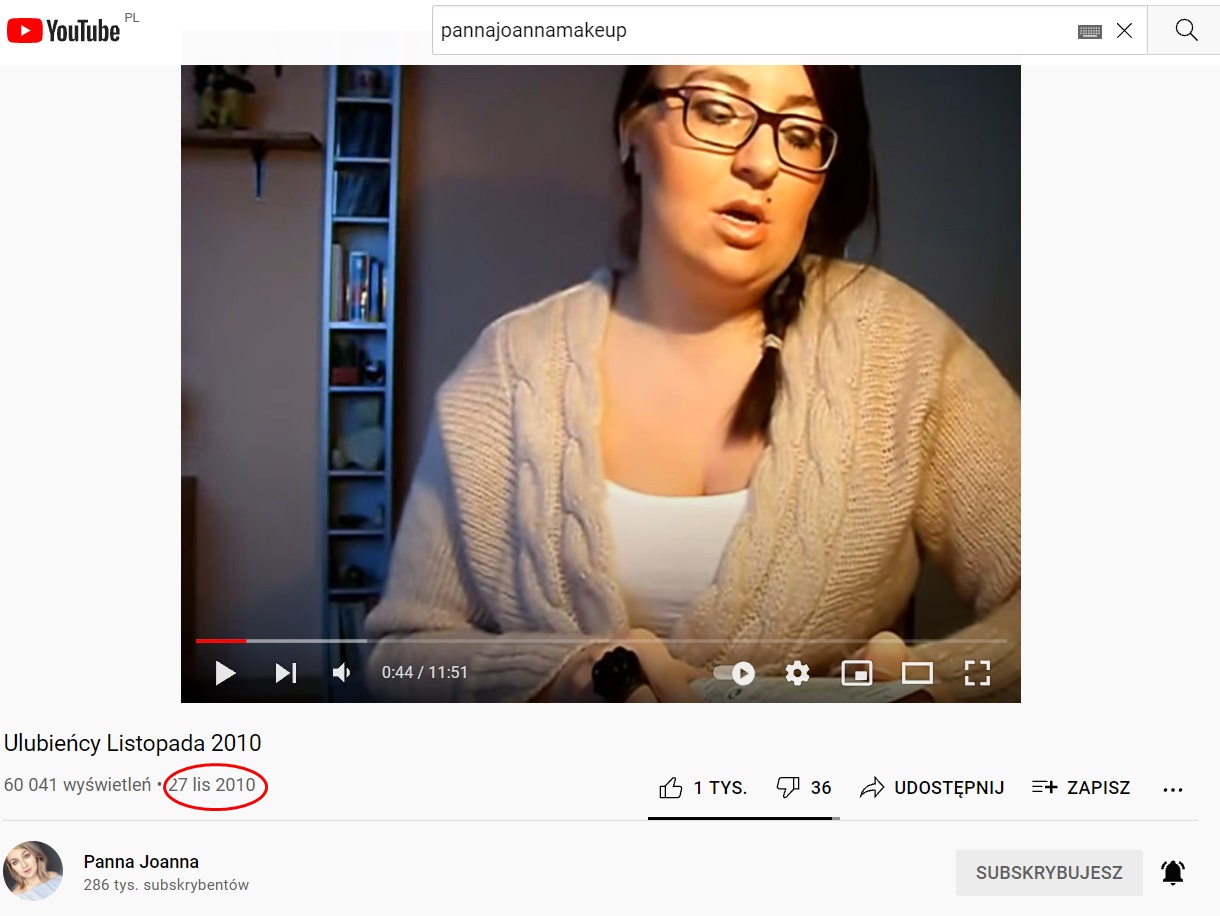
One of the first beauty vloggers on Polish YouTube — Panna Joanna and her very first video (November 27, 2010)! Back then, monetizing your passion wasn’t even part of the conversation!
Ways to monetize online activity
Today, earning money on the Internet surprises no one, and more people are eager to try. Monetization can happen through various platforms and services, so everyone can find an option that suits them. Here are four of the most popular ways to turn your passion into a profession.
Monetizing activity on YouTube
YouTube was the first platform to actively support creators financially, primarily through its ADSense tool. This Google service made it possible to earn money from ads displayed during YouTube videos.
Launched in 2000 and introduced to the Polish market much later, ADSense initially offered very modest earnings. Today, top vloggers with massive view counts earn tens or even hundreds of thousands of złoty per month. Additionally, YouTube pays creators directly for video views. The rates vary, leading to wide differences in income.
Example
A good example is Karol “Friz” Wiśniewski, whose videos currently break popularity records. Earnings per thousand views range from a few dozen groszy to several złoty, but on average they amount to around 1 zł per 1,000 views. Therefore, the video “Powiedziała TAK”, which generated over 3 million views, earned the creator more than 3,000 zł.
It’s important to highlight that this is the income from just one video. At one point, Friz was publishing content daily, with each video receiving 1.5–3 million views. However, creators like Karol Friz Wiśniewski are exceptional cases in Poland.
Other popular YouTubers from lifestyle or beauty categories (e.g., Szusz, StylizacjeTV, RedLipstickMonster) average 20,000–100,000 views per video. With a rate of 1 zł per 1,000 views, their earnings per video range from 20 to 100 zł — much lower by comparison.
How do YouTubers monetize their work beyond AdSense?
So, is it possible to make a living from creating content on YouTube? Absolutely. Today, AdSense is just a supplement to a YouTuber’s income, as creators monetize their passion in many different ways. Additional revenue streams include:
-
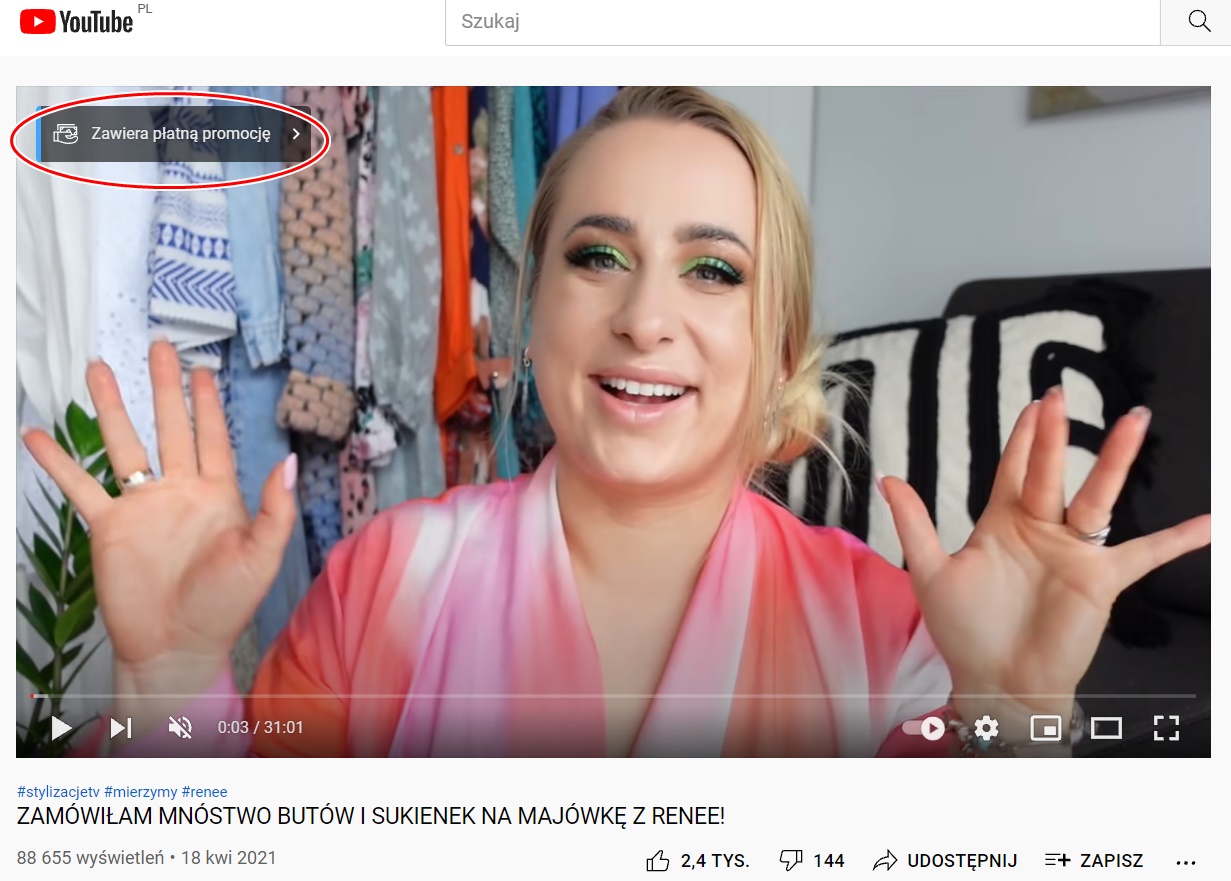
Sponsored videos created for various companies
It’s worth noting that brands choosing to work with YouTubers aren’t limited to large corporations such as LPP (owner of Sinsay, Cropp, House, Mohito, etc.) or Irena Eris. Smaller local brands — such as Risk Made in Warsaw or APIS — also collaborate with creators.
-
Brand partnerships
Many YouTubers partner with companies not only through sponsored videos, but also by co-creating products, participating in events, or visiting company headquarters. A great example is Daag, a brand producing leather accessories. Their current collection includes bags created in collaboration with YouTubers behind channels like Loveandgreatshoes, Ewa Pachulska, and MsDoncellita.
-
Own online and brick-and-mortar stores
Creators sell products across virtually every industry, so it’s difficult to identify one typical type of store. A strong example is Twinkle Candle — a brand of candles and scented waxes created by YouTuber Andziaks. The company now operates both an online store and a physical boutique in Warsaw.
Another example is wersow.com, an online store where influencer Weronika Sowa (known as Wersow, a member of the famous Ekipa) sells her clothing and accessories. Also noteworthy is Glam Shop — a thriving beauty store created by digitalgirl13, one of the early pioneers of the Polish beauty YouTube scene, offering her own cosmetics line.
- E-books
E-books are among the best-selling creator products, as they can now be written on virtually any topic. YouTubers publish e-books on subjects ranging from business, beauty, and coaching to cooking.
-
Webinars and in-person workshops
Influencer marketing is currently one of the most effective ways to monetize your passion online. Influencers, as the term suggests, are individuals who have the ability to influence others — encouraging purchases, shaping opinions, or inspiring specific actions. This definition, however, is fairly broad.
Many people believe that to be an influencer you must have a presence on social media platforms such as Instagram, TikTok, or Facebook (or on several of them simultaneously), or any other online space that attracts a dedicated community. Bloggers and YouTubers can also be influencers, though the overlap is not automatic.
Interestingly, actors, singers, and journalists have also recently become influencers. Examples include Zofia Zborowska (actress), Maciej Dowbor (journalist), and Klaudia Halejcio (actress).
Influencers and their impact on public opinion
Because of the significant impact influencers have on shaping public opinion, they are often invited to participate in social campaigns and promotional events. Increasingly, they appear on television, radio, or in print media, where they comment on topics related to the content they create online.
Agnieszka Pocztarska, the founder of the website and Instagram profile “czytamy etykiety,” is frequently invited to the Dzień Dobry TVN morning show to speak about healthy eating.
Paulina Lis — known from YouTube and Instagram — appeared on the cover of Wysokie Obcasy, sharing her perspective on how gray hair affects self-esteem.
Influencers have also, at times, harmed brands that failed to meet their expectations or those of their audiences. This has led to serious reputation crises for some companies and significantly reduced their sales.
Monetizing passion as an influencer
How do influencers monetize their online activities? Their opportunities are very similar to those available to YouTubers:
-
They create sponsored content such as TikToks, Instagram Stories, and Facebook posts.
-
They collaborate with brands by co-creating products, hosting joint live streams, or “taking over” company social channels temporarily.
-
They launch both online and brick-and-mortar stores.
-
They share their knowledge through e-books, workshops, and webinars.
Bloggers – monetizing written content
Bloggers are another group that successfully monetizes their passion online. Many assume blogging no longer matters, but this is a misconception. Numerous blogs continue to thrive — even though many bloggers now also act as influencers due to their multi-platform presence. Examples of successful blogs include:
-
callmeblondieee.pl
-
makelifeesier.pl
-
kosmetycznahedonistka.pl
-
wszedobylscy.com
Monetization methods for bloggers
Bloggers have the same monetization opportunities as influencers and YouTubers. They earn through sponsored posts, brand partnerships, paid knowledge-sharing (courses, trainings), and their own online stores offering original products or e-books. For more insights on the work of bloggers, see the article: Bloggers – the most influential publisher community.
Podcasts – a new way to monetize online activity
Finally, we can’t forget about podcasters, who have recently taken the Polish market by storm. According to Spotify, from January to June 2020, podcast listenership in Poland increased by 300%! Podcasts have become an alternative to audiobooks and radio shows. Their creators monetize their passion by speaking on a wide range of topics.
The variety of Polish podcast themes is enormous. You’ll find podcasts about relationships (Ja i moje przyjaciółki idiotki), true crime (Piąte: nie zabijaj), business (Mała Wielka Firma), and interview-style programs featuring well-known public figures (Żurnalista – Rozmowy bez kompromisów).
Monetization for podcasters
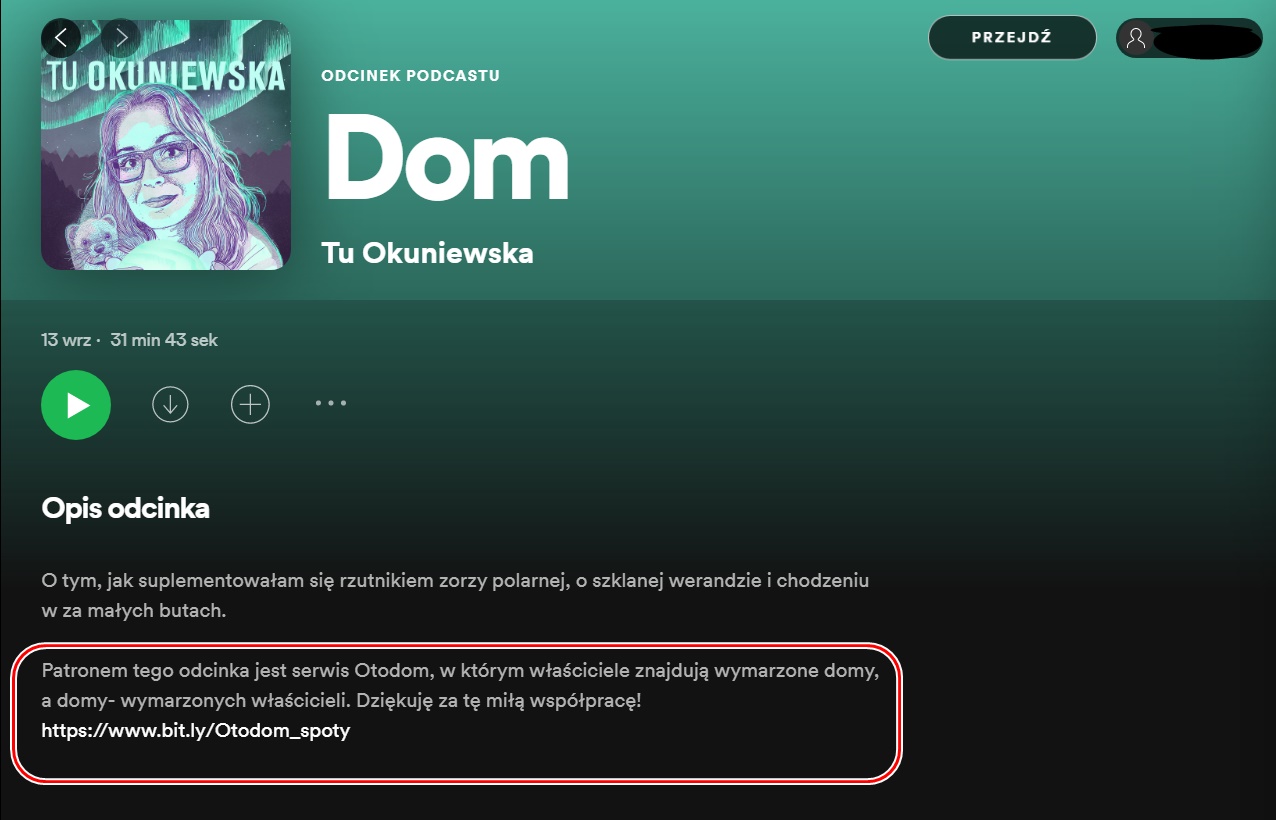
In podcasting, earning money relies mainly on partnerships with companies that decide to sponsor an episode or request product placement within the show. Top podcasters can earn tens of thousands of złoty per episode. Those with average results, gathering about 10–15 thousand listens per episode, can expect around 3–4 thousand złoty for a single product placement.
Affiliate marketing – the simplest way to monetize your passion
Want to start monetizing your passion but haven’t yet built a large enough audience for brands to approach you? Or maybe you don’t have the idea or budget to start an online store?
Or perhaps you already earn well online but are looking for additional revenue streams?
Try affiliate marketing! Affiliate activities are one of the most effective ways to monetize your online work — whether you’re just starting out or already have a substantial audience. But how does it work?
The affiliate process
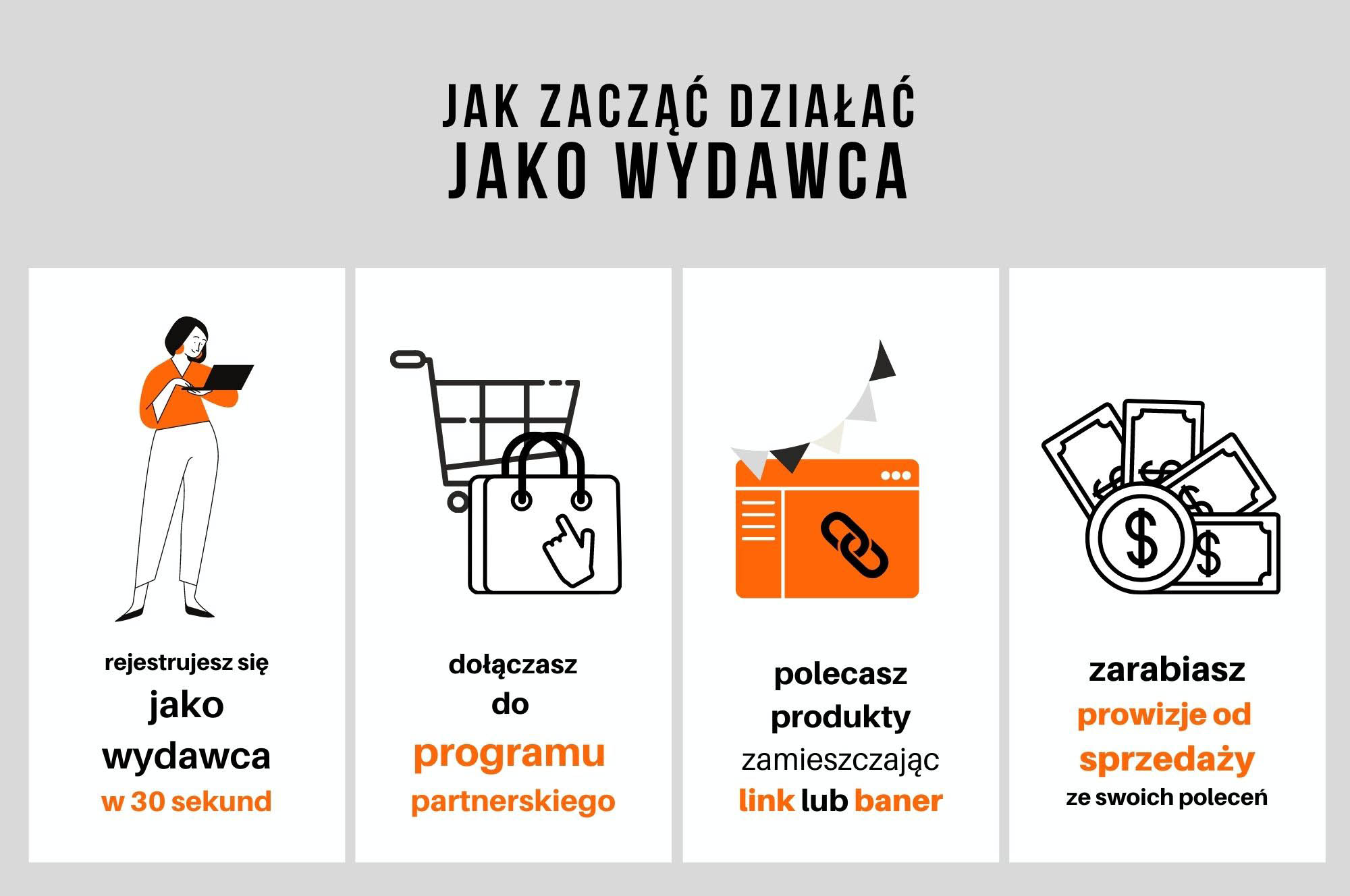
A publisher is someone who owns an online space, such as a blog or an Instagram profile. They register with the webePartners network and join the affiliate programs of selected advertisers (online store owners).
The publisher then places affiliate links in their online channels. These links, generated via tools provided by webePartners, direct users to the advertiser’s store.
Every completed transaction made through that link within 30 days earns the publisher a sales commission. Why 30 days? Because that’s typically the lifespan of cookies.
It’s worth noting that this form of collaboration works long term, as the links remain active for as long as the publisher chooses not to remove them.
Affiliate publishers – monetizing your passion for everyone
With affiliate links, any registered publisher in an affiliate network can earn money by recommending products. And anyone who uses the Internet can become a publisher.
A few years ago, becoming a publisher usually required owning a blog or other website. Today, in the era of social media, having your own website is no longer necessary. A Facebook, Instagram, YouTube, or Pinterest account is enough. And even those aren’t essential — affiliate links can simply be shared with friends via email or any online messenger. Anyone conducting any kind of online activity, even on a very small scale, can become an affiliate publisher.
Monetizing traffic with affiliate links
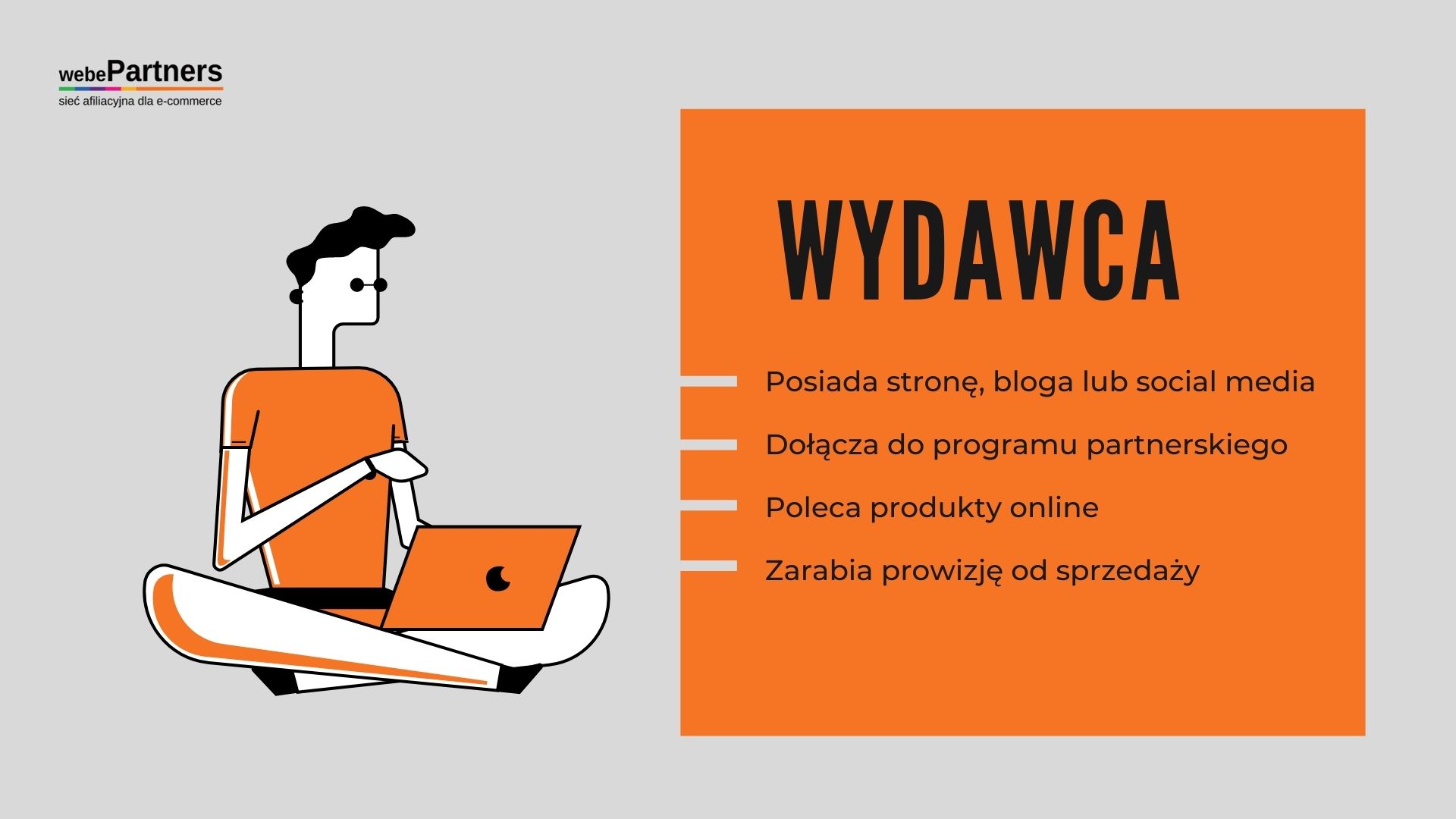
Thanks to affiliate links, any publisher registered in an affiliate network can earn money by recommending products. And anyone who uses the Internet can become a publisher.
A few years ago, becoming a publisher required owning a blog or another type of website. In the age of social media, having your own webpage is no longer necessary. A Facebook, Instagram, YouTube, or Pinterest account is enough.
And even that isn’t essential — affiliate links can be shared with friends via email or any online messaging app. Anyone conducting any kind of online activity, even on a very small scale, can become an affiliate publisher.
Monetization with Link Stickers now available to everyone on Instagram!
Until recently, recommending products through affiliate links was difficult for accounts with fewer than 10,000 followers. Smaller influencers were forced to redirect interested users only to the link in their bio.
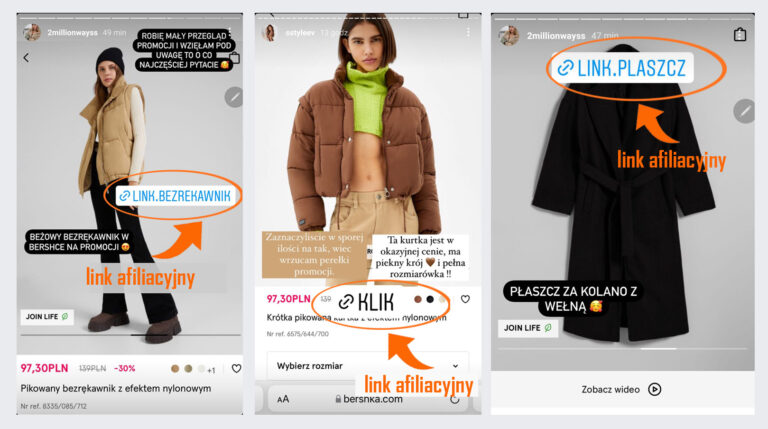
Now all Instagram users can add links to their Stories. This feature gives nano- and micro-influencers the opportunity to join more affiliate programs. That means more potential sales — and more commissions!
Affiliate links in the Link Sticker
Instagram has made it possible for every user to add links in Stories. The Swipe-Up feature, previously reserved for accounts with over 10,000 followers, has been replaced with the Link Sticker. And now, everyone can post active links. So don’t wait — start recommending advertisers’ products in your Stories!
How does the Link Sticker work?
You enter the URL you want the sticker to link to, then tap to preview how the link will appear. Anyone viewing your Story can tap the sticker to open the link.
What to keep in mind if you want to monetize your online activity
Monetizing your interests is fun — there’s nothing better than combining work with your passions. But the online space changes every day. That’s why being a blogger or influencer requires time, commitment, and constant trend monitoring. Here’s what you should remember if you want to do it well:
Consistency matters
As mentioned earlier, monetization takes time. Posting new content frequently is essential for earning online — but regularity is equally important.
Many YouTubers follow fixed publishing days and times so viewers know when to expect new videos. Influencers, especially on Instagram, often appear daily, sharing parts of their lives. This builds a strong connection and makes followers feel part of the creator’s world.
A clear personal concept
To build a loyal and engaged community, you need a clear identity that attracts people. There are countless influencers, bloggers, and YouTubers in every niche — you need something unique.
For example, the YouTuber Czarszka is known for her love of natural cosmetics, while the Instagram creator ArchitektPorządku is associated with perfectly organized homes.
Authenticity
Authenticity is essential. Today’s audiences are extremely sensitive to anything that feels fake. If you aren’t yourself, recommend products you haven’t tested, or choose themes you don’t genuinely care about, users will quickly notice. They’ll stop watching or reading — and certainly won’t form a loyal community around you.
Balance between promotions and regular content
Monetization isn’t wrong, but balance is crucial. If every social media post is sponsored or every blog article is loaded with affiliate links, your audience may perceive your platform as overly commercial and lose interest. Balance promotional content with valuable, educational, or entertaining material — that’s why your followers are there in the first place.
Remember who you create for
No online creator could earn without the users who follow their work. Your content should address their needs. Of course, the topic should relate to your interests and skills, but the format and communication style should match audience expectations.
It’s a good idea to occasionally ask your community what they enjoy most and what they’d like to see less of. This helps you cultivate an engaged group of like-minded followers.
Consistent communication
Responding to comments, messages, and emails is essential. It keeps you connected to your community and shows that you’re equally invested in the relationship.
Diversify your monetization methods
If you want to monetize your passion, it’s worth doing it across multiple channels. Whether you’re a blogger, YouTuber, or podcaster, nothing prevents you from using social media actively — and earning there, too. Regardless of whether you have a small Instagram account or a YouTube channel with hundreds of thousands of views, affiliate programs are always worth using. They can bring significant income with relatively little effort.
Follow trends continuously
Working online requires staying alert because the digital world evolves quickly. TikTokers are a great example — they must track new trends constantly and recreate those that fit their content. Timing is crucial: the faster you publish your take on a trend, the better. This means many TikTok creators spend hours daily observing their peers’ content.
Collaborate with others