Virtual publishers – the 5 most popular publisher types
Data aktualizacji: 09.01.2026
If you want to grow sales in your online store, you need to build a network of publishers who promote your products on their websites and on social media. So grab a sip of coffee and get ready to learn about the most popular types of virtual publishers—the key to achieving strong campaign performance!
Virtual publishers – what does the partnership look like?
Brands are increasingly turning to affiliate networks to boost product sales, and most of them succeed. Research from Interaktywnie.com shows that these campaigns generate conversion rates between 0.5% and 1%. Findings from Affise tell us that 94% of publishers work simultaneously across multiple affiliate programs to increase their potential earnings.
Now you’re about to read something you don’t see every day. Working with virtual publishers is a safe way to increase sales in your online store. Publishers promote your products in exchange for commissions on sales generated from their referrals—an ideal win-win situation for everyone!
Influencers and social media profiles
With the growing popularity of social media, influencers have become an important part of affiliate marketing programs. Influencers active on social platforms typically focus on building relationships with advertisers and prefer to work with brands they believe in—and to promote products they personally use.
Even a small group of virtual publishers in the form of influencers can deliver significantly better results for an affiliate program. Why? Because in most cases, influencers already have their own base of loyal followers.
Of course, there are influencers with millions of followers as well as micro-influencers with a smaller but highly loyal audience. It’s not uncommon for these smaller publishers to achieve a much higher conversion rate than macro-influencers. That’s why, within your publisher network, it’s worth working with both larger- and smaller-reach creators.
Influencers provide valuable insight into trends and topics within their niche, which you can use to promote your own products. An example of an influencer operating in a niche area—garden care—is Marta Potoczek and her YouTube and Instagram channel, Leniwa Niedziela. Marta publishes how-to content and includes affiliate links to the products she uses for gardening tasks.

Affiliate links in the description of a YouTube video
Fashion, beauty, and cosmetics are categories that are extremely popular among Instagram influencers. Below we show how they promote advertisers’ products in their Stories. Publishers present complete outfits along with an affiliate link to the advertiser’s store where the product can be purchased.
A common practice is also to show the cosmetics a person uses for everyday skincare or for makeup for any occasion. The better the publisher presents and promotes a given product, the higher the chance that followers will make a purchase—earning the publisher a commission and helping the advertiser gain a new customer.
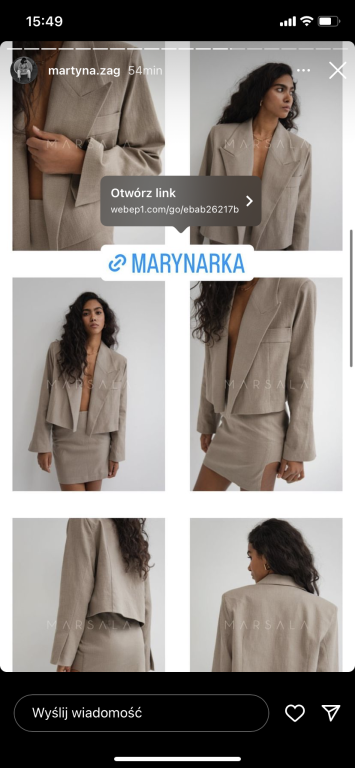
Affiliate links in the description of a YouTube video
Influencers and social media users therefore have a wide range of promotional methods at their disposal. They can place it in a video description, in their profile bio, in a Story, in a private message, in a post, or during a live stream.
Bloggers and niche websites
Niche websites and bloggers are among the most popular types of virtual publishers in affiliate marketing. They usually have a clearly defined readership, which they attract to their site through valuable, consistent, and highly relevant content. These can be extremely valuable audiences for advertisers. Good bloggers have an engaged and loyal group of readers, which also means they have greater influence over their purchasing decisions.
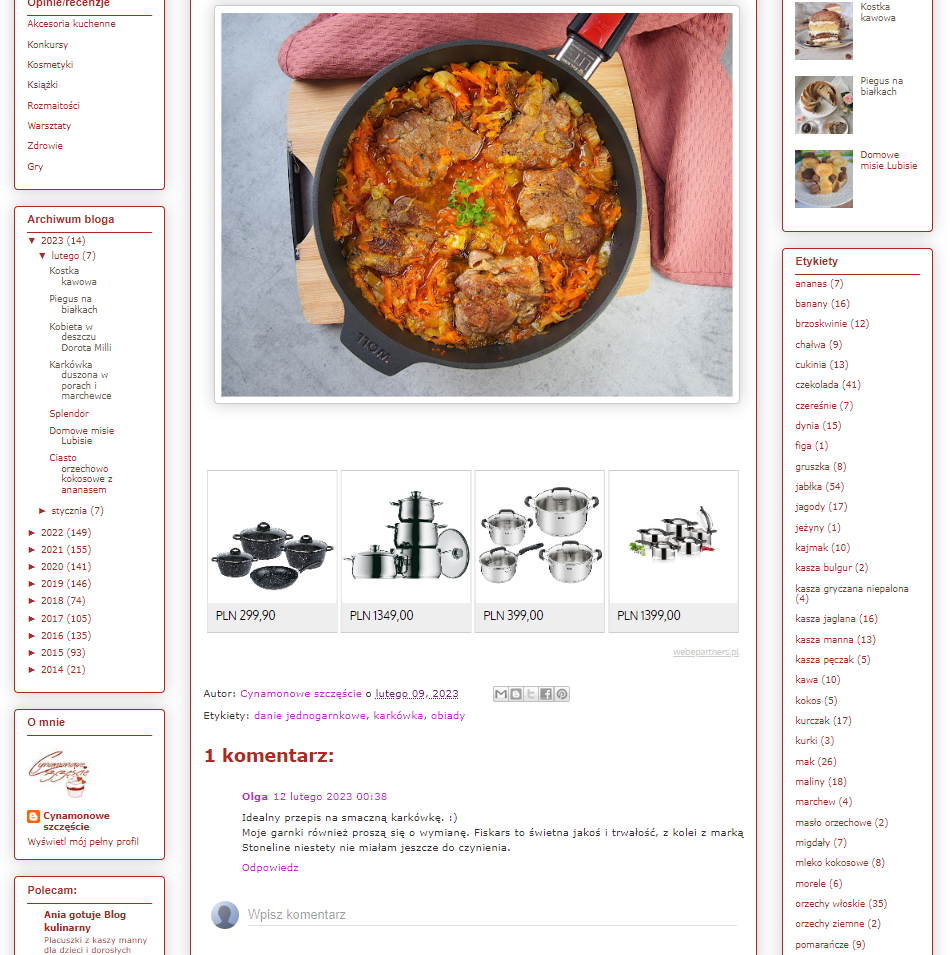
Working with bloggers and online websites gives advertisers access to audiences with clearly defined interests. This makes it possible to reach a specific group of potential customers while also increasing brand awareness.
While publishers operating only on social media typically rely mainly on adding affiliate links when recommending products, website and blog owners have more room to maneuver. They can also use:
Virtual publishers with email lists
An affiliate publisher with an email list is a person or company that uses an email database to distribute marketing content. This can include articles, reports, special offers, newsletters, and promotional materials. Virtual publishers can create and send personalized content to specific recipient groups by segmenting their lists. By leveraging an email list, virtual publishers can effectively promote products from their partners.
Email campaigns are one of the most effective sales channels, and their performance can be improved by offering discount codes and showcasing top products for specific occasions. It’s also important to match the product well to the audience and to weave affiliate links into email content—or use visuals that present the products.
Virtual publishers – price comparison sites and product catalogues
The idea behind price comparison sites is simple: you type the product you’re looking for into a search box, and the comparison engine shows you the best price offers from different brands and different stores.
A user who lands on a price comparison site typically already has a very specific purchase intent. They already know what product they want and are looking for the store with the best deal. A comparison engine helps users shop online quickly and conveniently. For sellers, it helps present their offer and provides an opportunity to stand out from the competition.
Partnering with a virtual publisher of the “price comparison” type primarily enables brands to increase sales, but also to benefit from the platform’s reach and build overall brand recognition.
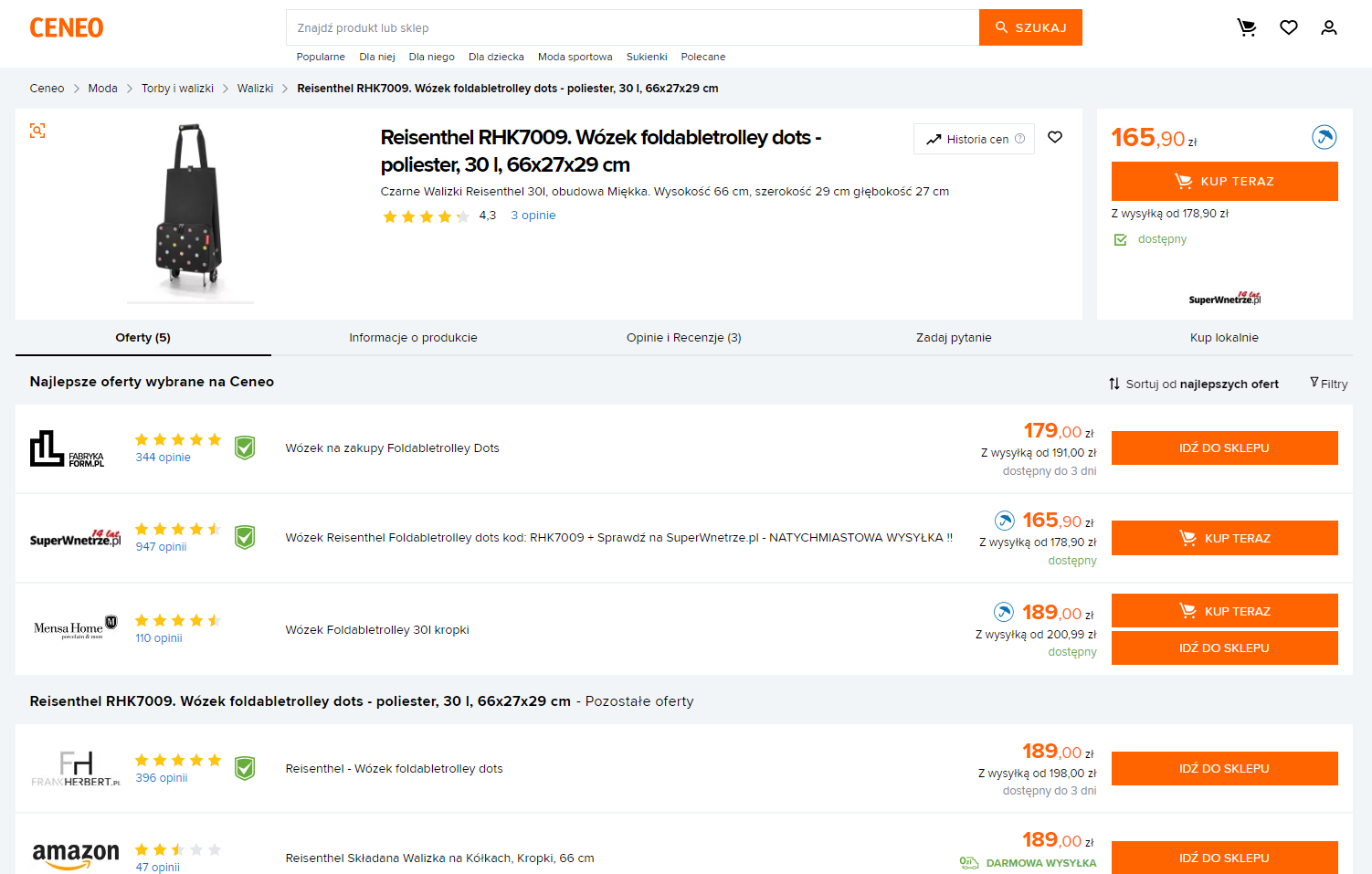
Discount and coupon sites
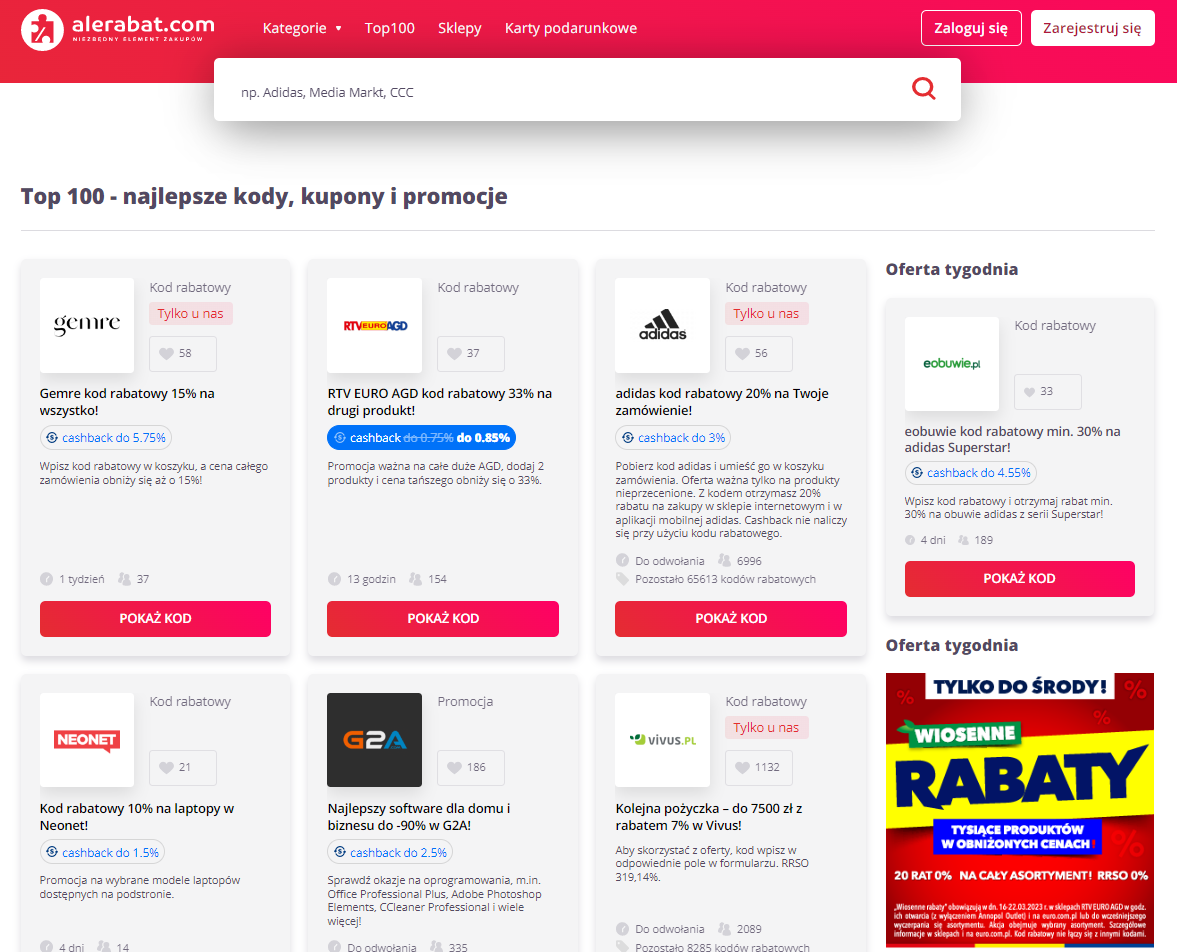
Websites offering discount codes are a very active and constantly evolving group of virtual publishers. They provide a wide range of discounts and promotional deals that allow users to take advantage of even better price opportunities.
Coupon sites act as a kind of bridge between advertisers and consumers who are looking for discounts. By offering attractive promotions, low prices, and free delivery, they effectively encourage users to complete a purchase.
Partnering with coupon websites can contribute to increased organic traffic from users searching for deals and discounts. For advertisers, it’s a great opportunity to improve online visibility and boost product or service sales by leveraging promotions such as discounts or free-shipping offers.
Summary
Affiliate marketing is an effective way to increase sales in an online store. Advertisers can work with many types of virtual publishers and enjoy the luxury of peace of mind, because publishers bear the potential risk of a campaign not succeeding. In addition, using the Cost Per Sale model reduces the risk of wasting ad budget, because the advertiser pays only for results in the form of sales.