Online Store Advertising – Effective Methods to Boost Sales
E-commerce is one of the fastest-growing markets in the world, with new online stores appearing every day. That’s why effective advertising is essential to make your online business profitable.
An online store is a platform that allows you to sell physical or digital products and services without the need for a brick-and-mortar location. The entire sales process in e-commerce takes place in the digital space. Of course, an online store can be the “younger sibling” of an existing physical outlet, but it can also operate completely independently.
Examples of online stores that were created as an extension of traditional retail chains include Bershka, Media Markt, and Empik. Among brands that exist exclusively online, one of the largest is Zalando. Launched in 2008, the platform operates in 17 European markets, offering clothing, footwear, accessories, and beauty products. In 2019, Zalando generated over €6.48 billion in revenue, marking a 20.3% year-over-year increase. For the first time in the company’s history, international markets (€3.067 billion) brought in more revenue than its home DACH region (Germany, Switzerland, and Austria) with €2.897 billion.
Another example of a powerful online brand is the cosmetics retailer MAKEUP, which boasts 280 million users across multiple countries who purchase over 45 million items annually. The company now operates in 14 countries, including Italy, Germany, Austria, Poland, and Hungary. The store offers an impressive 4,500 brands and over 200,000 products available to customers worldwide.
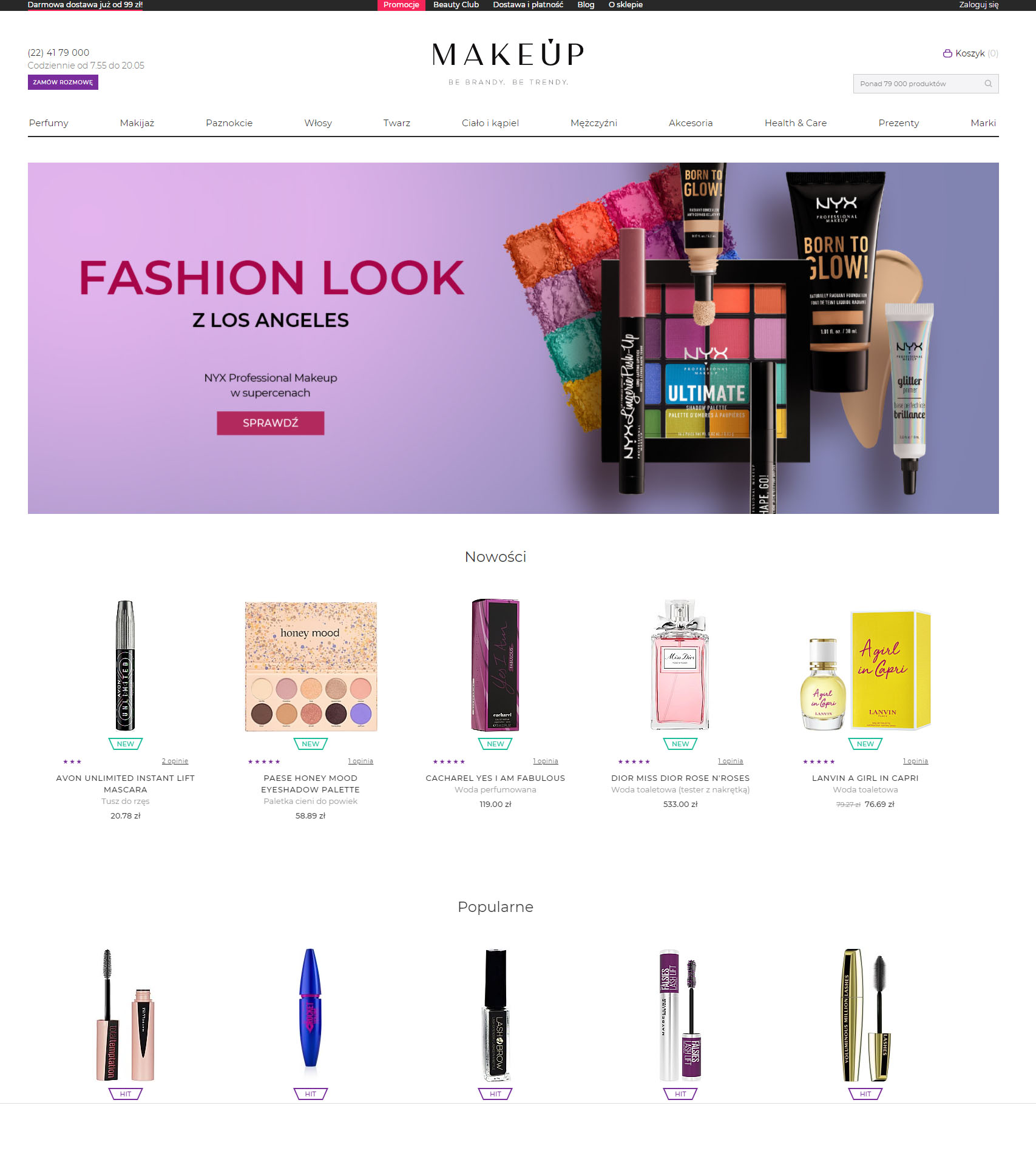
E-commerce is one of the fastest-growing markets in the world, with new online stores emerging every day. That’s why effective advertising is essential to make your online business profitable. Of course, it can also happen the other way around — sometimes the online store comes first, and physical retail locations are opened later. A great example of this is the E-glamour beauty store. If you’d like to learn more about how to create your own online store, we invite you to read more here: https://webepartners.pl/blog/sklep-internetowy/
Reports from 2019 confirmed an impressive 18% year-over-year increase in e-commerce sales. The pandemic, which hit many traditional brick-and-mortar businesses, prompted entrepreneurs to rethink their approach to the online world. It was also a turning point when many people decided to develop and pursue their ideas for online businesses — even if not as their primary source of income, then certainly as a way to diversify their revenue streams.
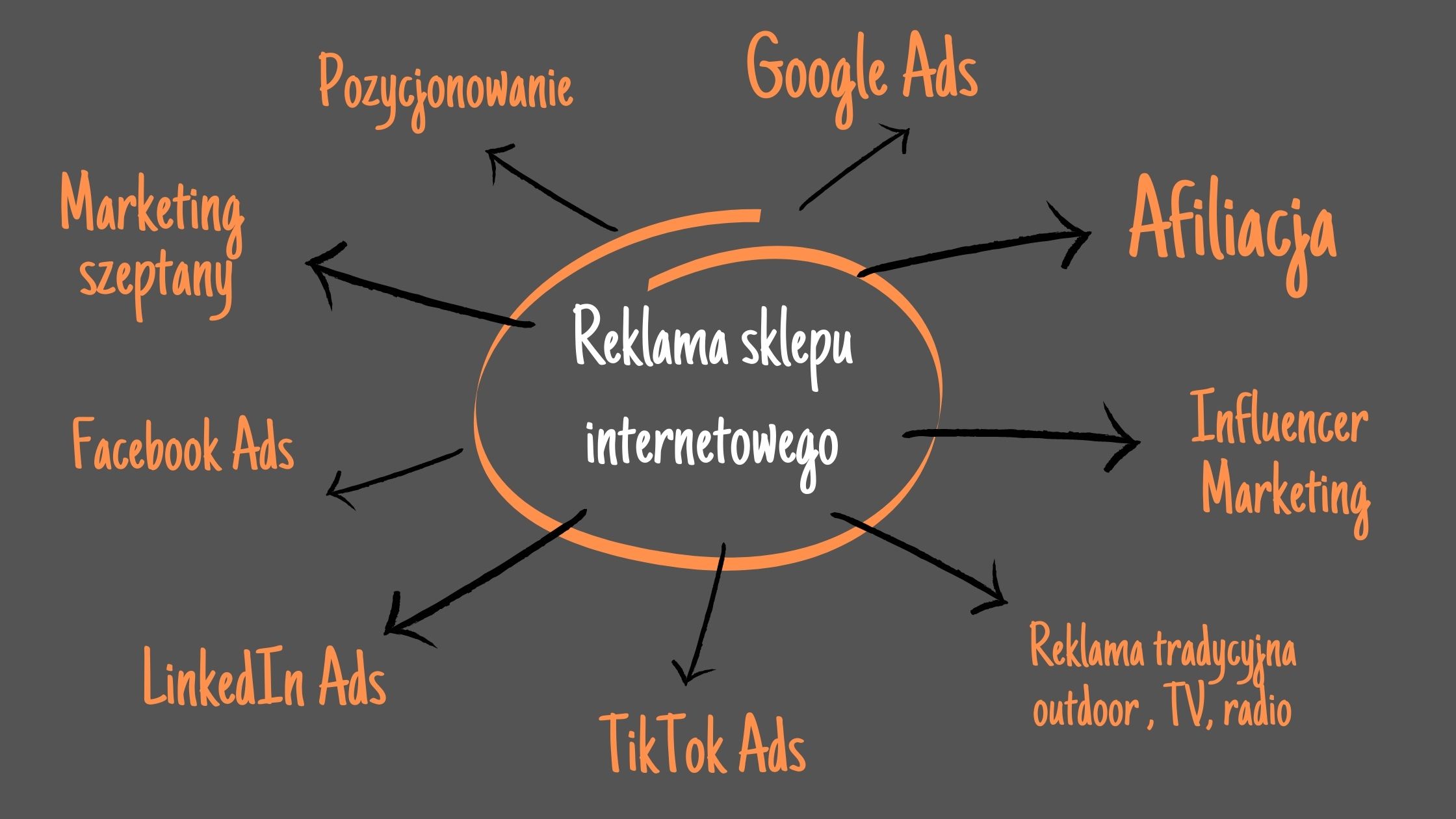
The most popular advertising methods aren’t always the most effective ones for your online store. Everything depends on your industry, your competition, and your target audience. That’s why it’s essential to carefully analyze different advertising strategies, test them with small budgets, and determine which approach delivers the best results for your specific e-commerce business. An effective ad campaign is one that not only increases brand awareness but also drives sales growth and generates revenue that ensures a positive return on your advertising investment (ROI).
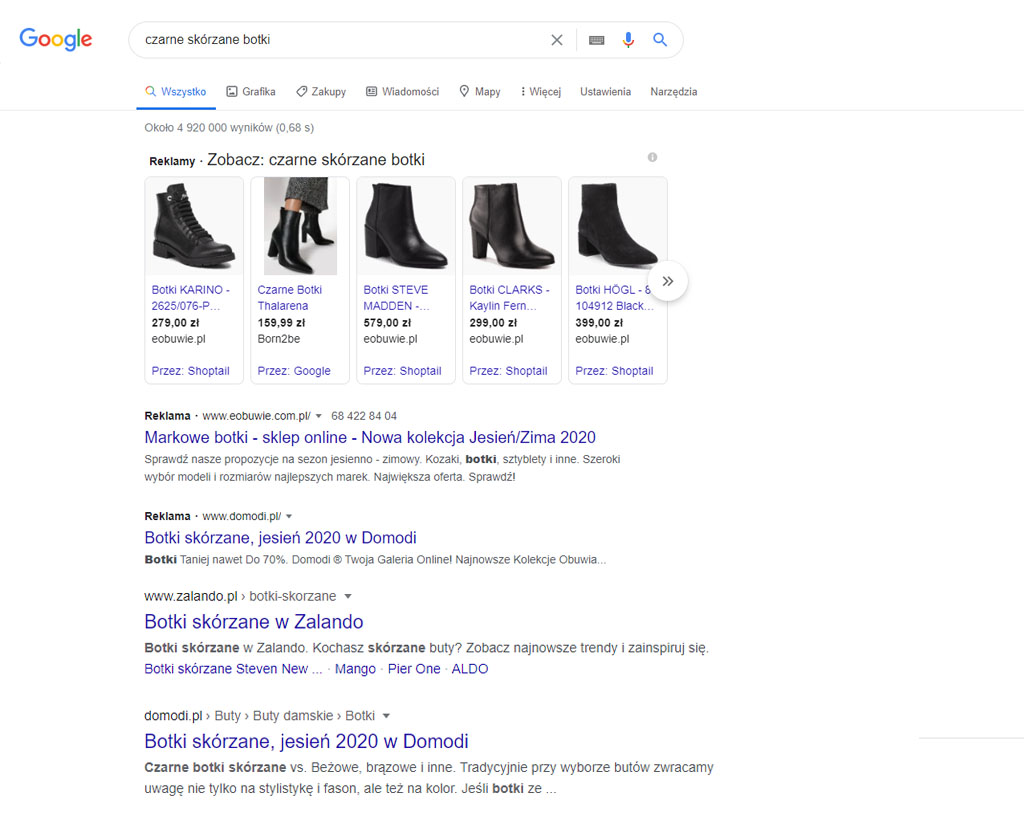
SEO, or Search Engine Optimization, is all about improving the organic (non-paid) visibility of websites in search engines. But what does that look like in practice? Let’s imagine you’re searching online for black leather ankle boots. What’s the first thing you do? If you don’t already have a favorite online store, you probably open Google and type in your query: “black leather ankle boots.” You get a list of results. The first few entries are paid ads, but if you scroll a bit further down — three or four positions — you’ll find websites that have been optimized (positioned) for that exact keyword phrase. SEO specialists have competed (fairly, of course) to earn a place in the TOP 10 search results for that query. It’s important to understand that even if your online store appears in Google results for the phrase “black leather ankle boots,” it doesn’t automatically mean it will also appear for “leather black boots.” While the phrases sound nearly identical, they are treated as completely different keywords, each requiring a unique SEO strategy.
Ideally, your store should rank for multiple variations of key phrases, but that’s not always possible — which is why ongoing, well-planned SEO work is so crucial.
When it comes to SEO, you can either handle it on your own or outsource it to an external agency. There are plenty of online courses and tutorials that explain how to carry out SEO activities to organically position your online store in search results. If you decide to manage SEO internally, you’ll need a Content Manager — someone responsible for creating unique, detailed product descriptions and maintaining a company blog. However, these are just two of many SEO elements that need to be addressed to get your store to appear organically on Google’s first page. That’s why many business owners choose to entrust their SEO efforts to an agency or freelancer who specializes in this field. The choice depends on how much time you can dedicate to both learning SEO and implementing it consistently.
Remember, SEO takes time — it’s not something that produces results overnight. You need to be patient for several weeks or even months, as noticeable improvements in search rankings typically appear only after continuous, well-planned optimization efforts.
Organic Positioning of an Online Store – Reaching the TOP 10 Results
In organic SEO for online stores, the key goal is to appear in Google’s TOP 10 search results. However, in the beginning, the most important milestone is simply getting your store indexed and visible at all. If your website has been completely invisible to Google’s algorithms, and after a week or two of SEO work it finally appears somewhere in the rankings — even on the 100th position — consider that a success. The online space is extremely competitive, with countless other stores also investing in SEO as part of their advertising strategy, so you need to be patient and persistent to see measurable results.
The cost of SEO depends on several factors:
-
the number of keywords you want to target,
-
the level of competition in your niche,
-
the results you aim to achieve, and
-
who manages the SEO process for you.
If you decide to handle SEO on your own, your main investment will be time — the hours spent learning, optimizing, and implementing strategies. But if you choose to hire professionals, expect to pay anywhere from a few hundred to several thousand złoty per month, depending on the scope and complexity of the work.
Promoting Your Online Store with SEO Tools
There are countless SEO tools available on the market that make it easy to carry out effective optimization activities and track your store’s performance in Google. Most of these tools are intuitive, user-friendly, and affordable, making them accessible to both professionals and beginners. Whether you’re an experienced marketer or just starting your e-commerce journey, it’s worth exploring the capabilities of systems that simplify SEO efforts and help you achieve measurable results. That’s why you should definitely read “SEO in 7 Steps – How to Boost Your Online Reach.”
Google Ads – Paid Advertising for Your Online Store
Google Ads is a paid advertising system that allows you to position your website for selected keywords and key phrases in Google search results. It has a huge impact on online product and service sales and remains one of the oldest and most popular marketing platforms in the world. In this model, advertisers pay for every click — the so-called CPC (Cost Per Click) model. Because of its popularity among e-commerce businesses, ad rates can sometimes exceed profitability thresholds. However, this doesn’t mean that Google Ads can’t be effective — it simply requires strategic keyword selection, ongoing campaign analysis, and bid optimization to achieve a strong return on investment.
In a way, Google Ads can be seen as paid SEO, since it also revolves around working with specific keywords and search intent. The key to success lies in carefully choosing the right phrases to “position” your store on. To identify these phrases, it’s best to use external keyword research tools (such as Senuto), and then test their performance and profitability through Google Ads campaigns. This data-driven approach allows you to fine-tune your targeting and maximize results from your online store’s advertising.
Google Ads Advertising from the User’s Perspective
What does a Google ad look like from the user’s point of view?
Let’s say a user is searching for a way to polish their gold ring. They type the query “remove scratches from gold” into Google. The first results they see are ads — displayed by various advertisers (online store owners) who have paid to appear at the top of the search results for that exact keyword. The placement of these ads — whether they appear at the very top, middle, or bottom of the results page — is determined by the settings in the advertiser’s Google Ads panel and the bid amount they are willing to pay for that keyword impression.
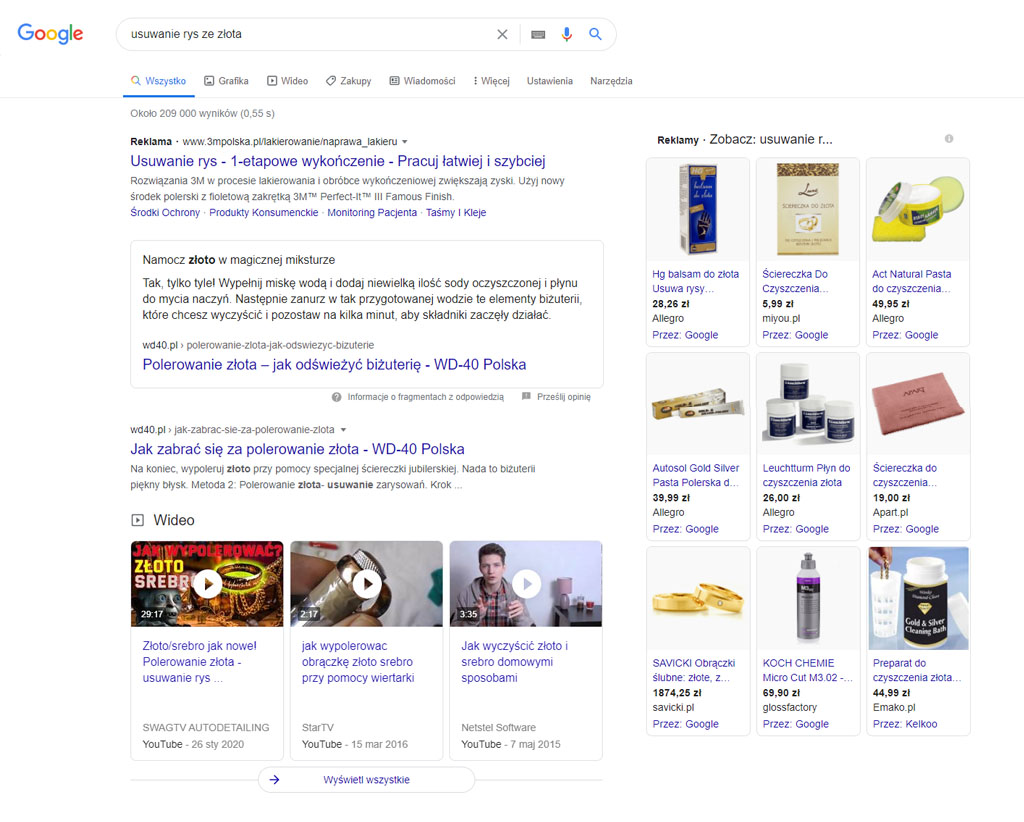
A major advantage of advertising through Google Ads is that you can set your own budget — daily, weekly, or monthly. This flexibility allows you to adjust bids and pacing so you don’t “burn through” your budget too quickly.
The cost per click (CPC) varies greatly depending on the industry and its competitiveness — sometimes it’s as low as 0.02 PLN, and other times it can reach 15 PLN per click. To run effective campaigns, it’s important to understand how the system works and manage it strategically.
In Google Ads, you pay only when users click your ad, but for that to happen, your ad must first appear in Google search results. It needs to be well-prepared, relevant, and compliant with Google’s advertising guidelines to outperform competitors and attract user clicks.
Because the platform is complex and highly data-driven, many business owners choose to entrust their Google Ads campaigns to specialists experienced in managing paid keyword positioning — ensuring optimal results and maximum return on investment.
Your Own Mailing List – An Effective Way to Promote Your Online Store
A mailing list is a collection of email addresses from people who have voluntarily shared their contact information because they were interested in your business, offer, or website. Your mailing list allows you to maintain direct and ongoing communication with people who have already shown interest in your brand and the content you share. Through regular emails — whether about new promotions, blog updates, or the latest products in your store — you can stay top of mind and encourage engagement. Increased activity on your website from newsletter traffic not only boosts sales and customer retention but can also improve your search engine rankings, since Google values sites with active and returning users.
We’ve dedicated a full article to this topic — so if you haven’t started building your own mailing list yet, make sure to read “Your Own Mailing List – The Best Sales Channel.”
Affiliate Marketing – Online Store Advertising in Exchange for Commission
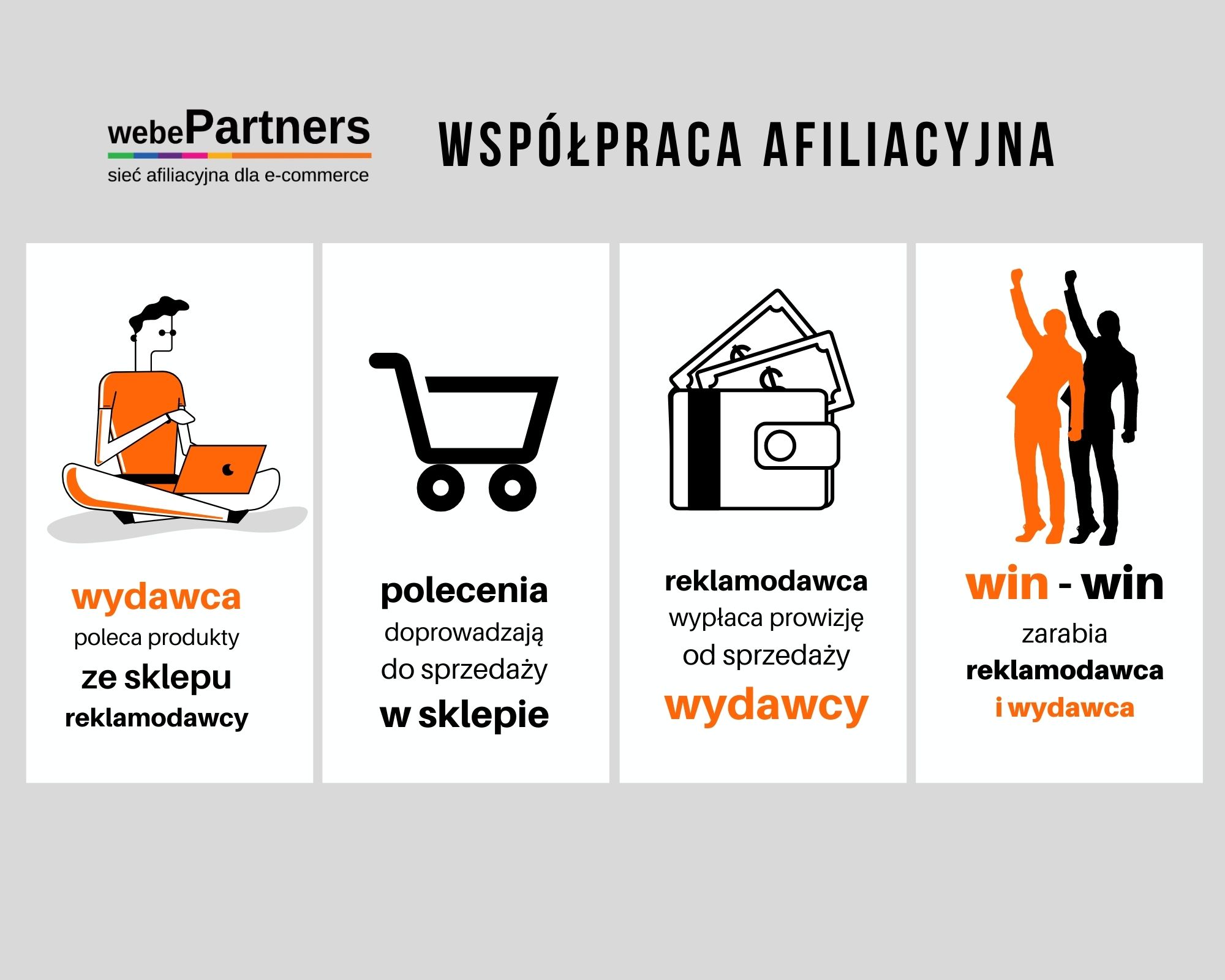
Affiliate marketing for an online store means promoting your products across various websites and online platforms in exchange for a commission on each sale.
An Advertiser — the owner of an online store who wants to increase sales in exchange for a commission per sale — can collaborate with publishers and settle payments with them using the Cost Per Sale (CPS) model through their own affiliate program.
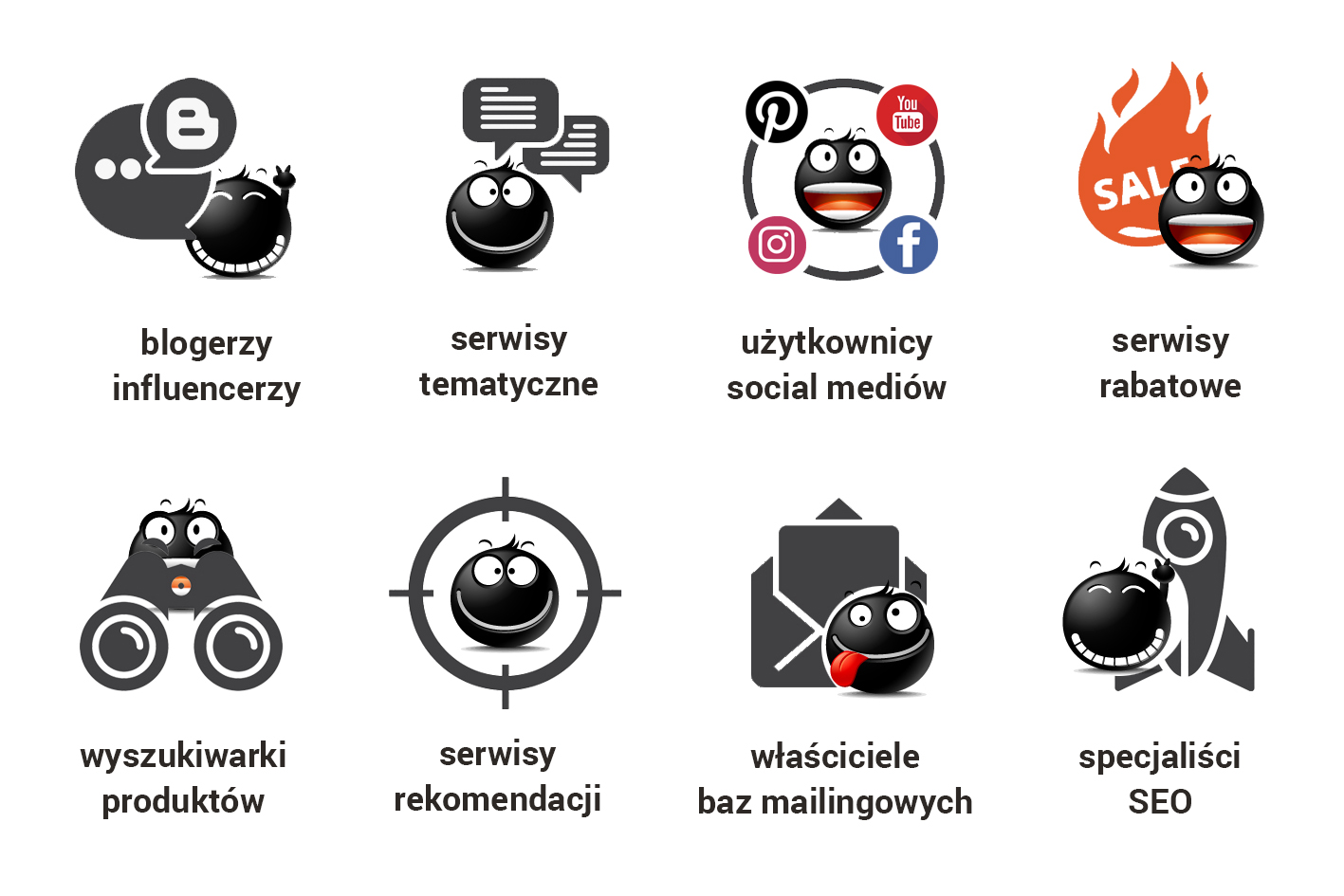
The group of affiliate publishers is highly diverse — ranging from small niche websites and bloggers to influencers, YouTubers, and other social media creators, all the way to large systems such as price comparison engines, product search platforms, coupon websites, and cashback services.
How Does the Affiliate Process Work?
It all starts with the advertiser launching an affiliate program, which publishers can then join. Once a publisher joins the program and the advertiser approves the collaboration, the active phase begins.
The publisher selects affiliate tools (provided by the affiliate network) to promote the advertiser’s online store and its products — such as links, banners, or product widgets. The publisher earns a commission for every sale that is completed through their referral.
Affiliate marketing is one of the most risk-free advertising models for online stores because costs are incurred only when a sale actually occurs. At the same time, it’s a mutually beneficial system, where every party involved profits:
-
The advertiser earns more by increasing sales through publisher referrals.
-
The publisher earns commissions for generating those sales.
-
The affiliate network receives a small share for providing the technology and connecting both sides.
In essence, affiliate marketing creates a win-win-win ecosystem, combining measurable results, zero financial risk, and scalable growth for everyone involved.
Affiliate Links
We’ve already mentioned this tool briefly — it’s one of the simplest and most commonly used methods for participating in affiliate marketing. So, what exactly is an affiliate link?
It’s a unique URL containing an encrypted publisher ID, assigned to any page belonging to the advertiser. Each time a user clicks this link, the system can precisely track every view, click, and resulting action or sale generated by that specific publisher. This tracking allows the advertiser to determine the exact commission owed to the publisher based on their performance. Affiliate links can be used across a wide range of online channels, including:
-
Facebook and Instagram (including Stories)
-
YouTube
-
Blogs and content websites
-
Email newsletters and mailings
-
Price comparison websites
-
Coupon and discount code platforms
Thanks to their flexibility, transparency, and accuracy, affiliate links remain the foundation of affiliate marketing, allowing both publishers and advertisers to easily measure the effectiveness of every campaign.
Product Widgets
Product widgets are often used interchangeably with banners, but they offer a more dynamic and visually engaging way to promote products from an online store. With widgets, you can display a grid of selected products — complete with images, prices, and names — directly on your website. This allows users to instantly see whether a particular item interests them and get a quick overview of the store’s assortment without having to leave the page. Just like banners, widgets are connected through affiliate links, which accurately track where each customer comes from and attribute sales to the correct publisher. Because widgets function as embedded scripts, they can only be used on websites and certain apps that support this type of integration. Using product widgets in affiliate marketing is a powerful way to combine aesthetics with performance — creating an engaging shopping experience while driving measurable sales for the advertiser.
Banner Ads
A banner is a graphic creation designed to promote an online store by capturing the user’s attention. The goal of a banner is to encourage clicks, which is why its visual design, message, and layout play such a crucial role. Each banner is linked with a dedicated affiliate link, allowing the advertiser to track where the traffic and sales originate from. Banner ads can be used effectively on websites, online portals, and blogs, where they blend seamlessly with content or appear in strategic positions such as sidebars, headers, or footers. However, banners cannot be used on social media platforms, as these channels don’t support embedded external ad scripts. When designed well — with compelling visuals, clear calls to action, and alignment with the brand’s identity — banner ads remain one of the most recognizable and impactful tools in affiliate marketing for online stores.
XML Files
The final key element used in affiliate marketing is the XML file. This tool allows for the structured organization and exchange of essential information, which is why it’s so widely used across various e-commerce systems. In the context of online stores, XML files are primarily used to transfer product data between the e-commerce platform and price comparison sites or product search engines. An XML feed typically contains details such as:
-
product names,
-
images,
-
prices,
-
specifications, and
-
descriptions.
Thanks to this data, online store advertising can be conducted in a consistent, accurate, and attractive way, ensuring that products are presented clearly and effectively to potential customers. It’s important to note, however, that maintaining proper structure and accuracy in XML files is crucial — any errors or missing elements can prevent products from displaying correctly in affiliate systems or external platforms. In short, well-prepared XML files make it possible to automate product promotion, expand store visibility, and increase conversion potential across multiple affiliate channels.
Advertising on Facebook – Facebook Ads for Online Stores
Facebook Ads is a platform designed for running paid advertising campaigns across Facebook, Instagram, Messenger, and the Audience Network (Mark Zuckerberg’s extended advertising network). Facebook Ads allows advertisers to create campaigns in a wide variety of formats, including: static images, graphic sets, product carousels, slideshow ads, and video ads.
Each format can be optimized to achieve specific marketing goals. The system offers a range of campaign objectives, such as: brand awareness, reach, website traffic, app installations, engagement, video views, lead generation, and targeted conversions.
This flexibility makes Facebook Ads one of the most powerful and versatile advertising tools for online stores — helping businesses reach new audiences, build relationships with customers, and drive measurable sales across multiple Meta platforms.
Facebook Ads functions through the Ads Manager, which is automatically connected to every social media account. This platform allows you to create and launch ad campaigns easily — without any additional setup or complicated procedures. Using Facebook Ads itself is free of charge — you only pay for the actual display or performance of your ads. Creating a campaign is straightforward: simply fill in the required fields in the ad creator, choose your audience, budget, and format, and your campaign can be live within minutes. If you’re just getting started, it’s worth learning from professionals who specialize in Facebook campaigns (for example, experts like Artur Jabłoński) or using the many guides and tutorials available online. One of the biggest advantages of Facebook Ads — especially for online stores — is the ability to reach precisely defined audiences. The platform allows detailed targeting based on multiple criteria, such as:
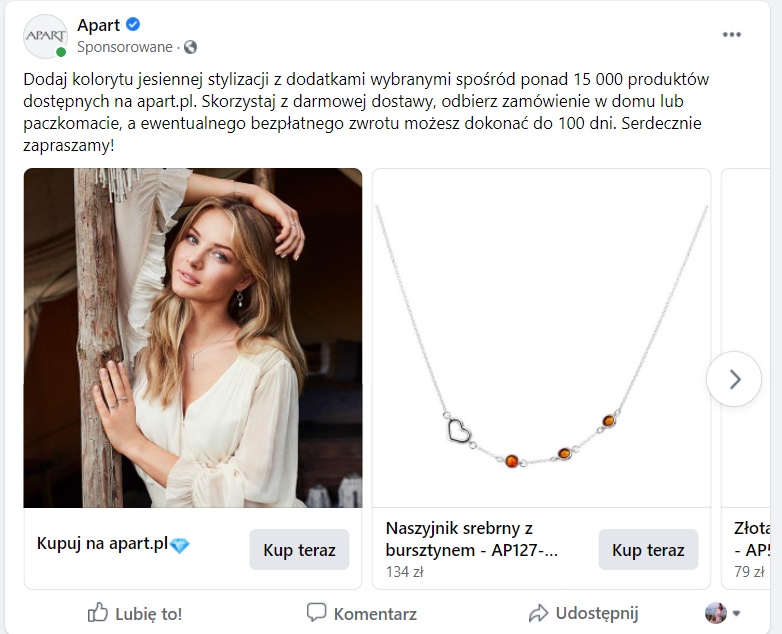
Facebook has already gathered nearly 2.5 billion users worldwide, and in Poland alone, the platform counts almost 20 million active users. The largest demographic group in Poland consists of people aged 25–34, who make up 27.8% of all users. Such a vast number of people sharing personal data and behavioral information every day creates enormous opportunities for marketers. Thanks to the data collected by Facebook, advertisers can precisely target their campaigns, test various ad formats, and analyze which ones have the greatest impact on brand visibility and engagement. With such a broad audience base, you don’t have to worry about quickly exhausting your target group — there’s always potential to reach new users. Moreover, combining wide reach with detailed targeting allows businesses to also run highly effective local advertising campaigns, focusing on specific towns, regions, or even exact locations.
LinkedIn – Is It a Good Place to Advertise Your Online Store?
Globally, LinkedIn boasts over 645 million registered users, including around 2.5 million in Poland. More than two new users sign up every second, and 70% of the platform’s audience is located outside the United States. LinkedIn is home to over 30 million company pages, with more being created every day. It’s the world’s leading hub for professionals, where you’ll find top-level decision-makers, industry thought leaders, and MBA graduates. Most users also hold higher education degrees, which makes LinkedIn an exceptionally valuable space for business-focused communication.
The LinkedIn advertising system is similar to what you’ll find on Facebook – a huge advantage if you’re already familiar with Meta’s ecosystem. You can choose between multiple campaign objectives, including brand awareness, lead generation, conversions, or direct messaging. The platform supports various ad formats, from text-only posts and static images to video ads and lead generation forms.
LinkedIn is a powerhouse for B2B marketers – a staggering 94% of them use the platform to distribute content. While LinkedIn ads may seem more costly compared to other channels, the high quality of leads and conversion rates often justify the investment. However, it’s important to remember that LinkedIn is not the ideal platform for every industry. For brands targeting highly educated professionals or B2B audiences, though, it can be one of the most effective and ROI-positive marketing channels available today.
A LinkedIn advertising campaign for an online store needs to be strategically crafted and tailored to the platform’s audience. What really matters here is high-quality, insightful content – think educational, inspiring, and expert-driven posts that add real value. LinkedIn is built around professional credibility, so the bar for content is much higher than on most other social platforms.
Given the typical LinkedIn user profile, the platform is especially well-suited for promoting digital products and services related to professional growth or niche industries. This includes software tools, online courses, ebooks, mentoring programs, and other specialized offerings – for example, educational resources designed for school psychologists. In short, if your product is aimed at helping professionals work smarter or develop their skills, LinkedIn can be a highly effective sales channel.
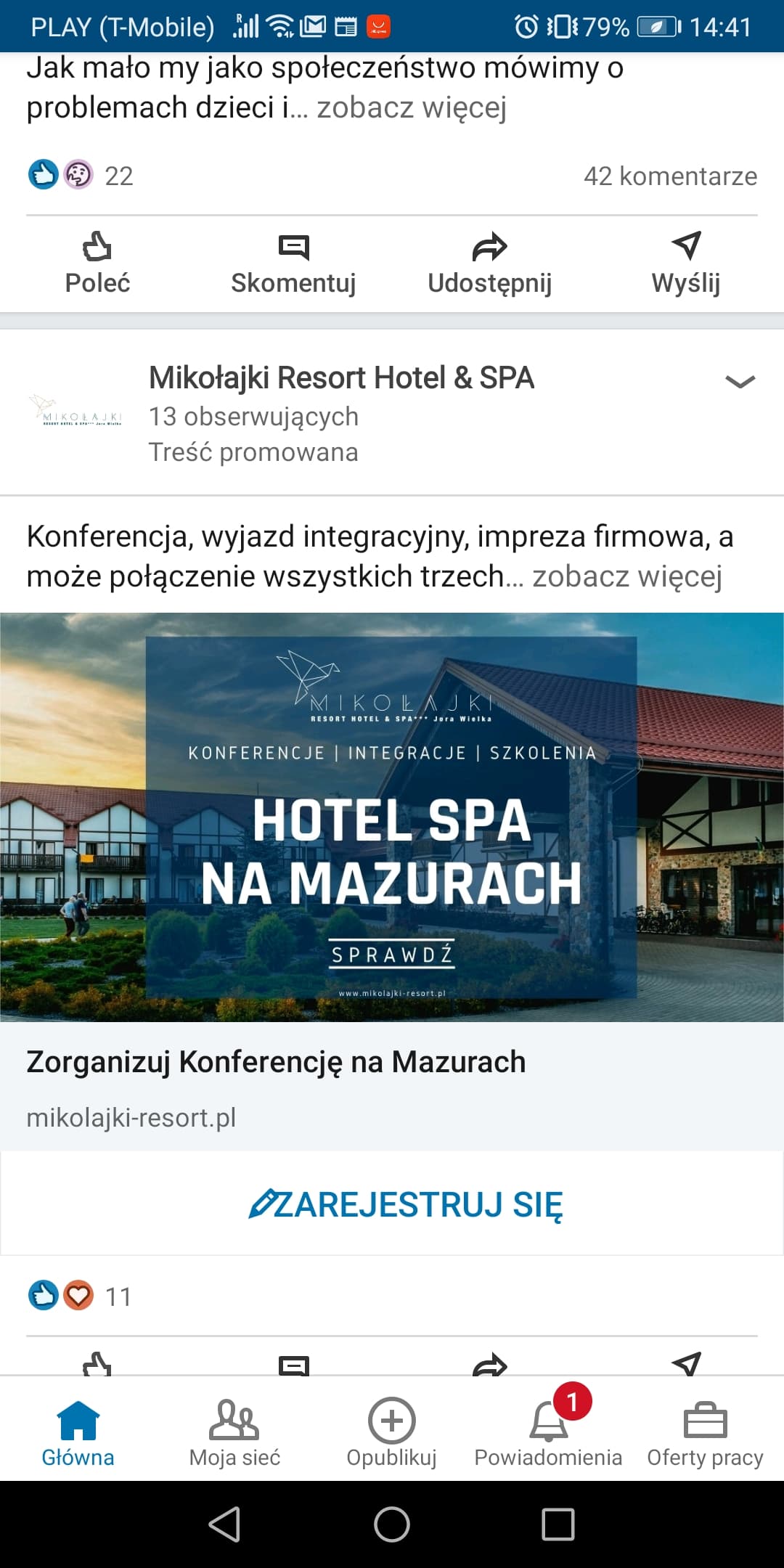
Given the profile of LinkedIn users, the platform is an ideal place to advertise offerings such as online courses, ebooks, mentoring services, or even luxury products.
TikTok – Is Advertising an Online Store Only for the Young?
Anyone can create videos on TikTok. The platform makes it incredibly easy with its powerful built-in video editor and extensive music library, allowing users and creators to film content using their favorite tracks. TikTok is a perfect promotional space for fashion, entertainment, food, and event-related brands.
TikTok Ads is still a relatively new channel when it comes to online store advertising. This is largely because the platform’s popularity surged during the COVID-19 lockdown period. While it used to be seen as a space for kids and teens, today you’ll find top influencers, bloggers, celebrities, actors, musicians, and everyday users who previously had no connection to online content creation. It’s no surprise that more and more companies are eager to run their ads on TikTok.
TikTok – Video Ad Formats
When creating ad formats for TikTok, brands have access to a wide range of options: full-screen video ads with sound, full-screen image slideshows, interactive videos featured in the “For You” feed, as well as branded effects, filters, and stickers that companies can offer users to incorporate into their own content. As with LinkedIn, TikTok’s advertising potential depends heavily on the target audience. Online store advertising on TikTok is primarily focused on lifestyle, beauty, and fashion niches. While it’s rare to come across ads for business software or professional ebooks, they do exist. With TikTok’s growing popularity, more creators are emerging across a variety of specialized fields—such as psychology, as seen with accounts like odnova.net. Still, it’s important to note that the platform remains dominated by a younger audience, and most content is tailored to suit their interests and preferences.
Influencer Collaborations – Leveraging Influencer Marketing for Your Online Store
Influencers today wield tremendous influence—not just when it comes to guiding purchase decisions, but also in shaping the wants and needs of their audience. Partnering with them is a powerful promotional strategy for online stores, whether you’re just launching or have been in the market for years.
There are two main ways to engage in influencer marketing. The first involves paying the influencer a fee for specific agreed-upon actions—like posting Instagram Stories, writing a Facebook post, publishing a blog article, or creating a sponsored video. Costs vary widely, depending on factors like the influencer’s popularity, reach, number of views, subscriber count, and audience engagement levels. Rates can range from a few hundred złoty to several thousand, especially for high-profile creators.
The second approach is a barter collaboration, typically offered by smaller influencers who haven’t yet built a large audience. Is this type of promotion worth it for an online store? The answer depends on several factors—but when the right match is made between the influencer and the products you offer, it can be highly beneficial for both sides.
Influencer marketing also includes sending out PR packages. These aren’t tied to formal agreements, meaning the creator isn’t obligated to showcase them. Yet, they often deliver impressive results. Many creators enjoy sharing what they receive with their audience and are eager to test out new products—so they frequently feature these packages even without being paid to do so. This practice is especially common among beauty and fashion influencers on platforms like YouTube and Instagram Stories. A standout example of a brand leveraging this strategy effectively is Cocolita.pl.
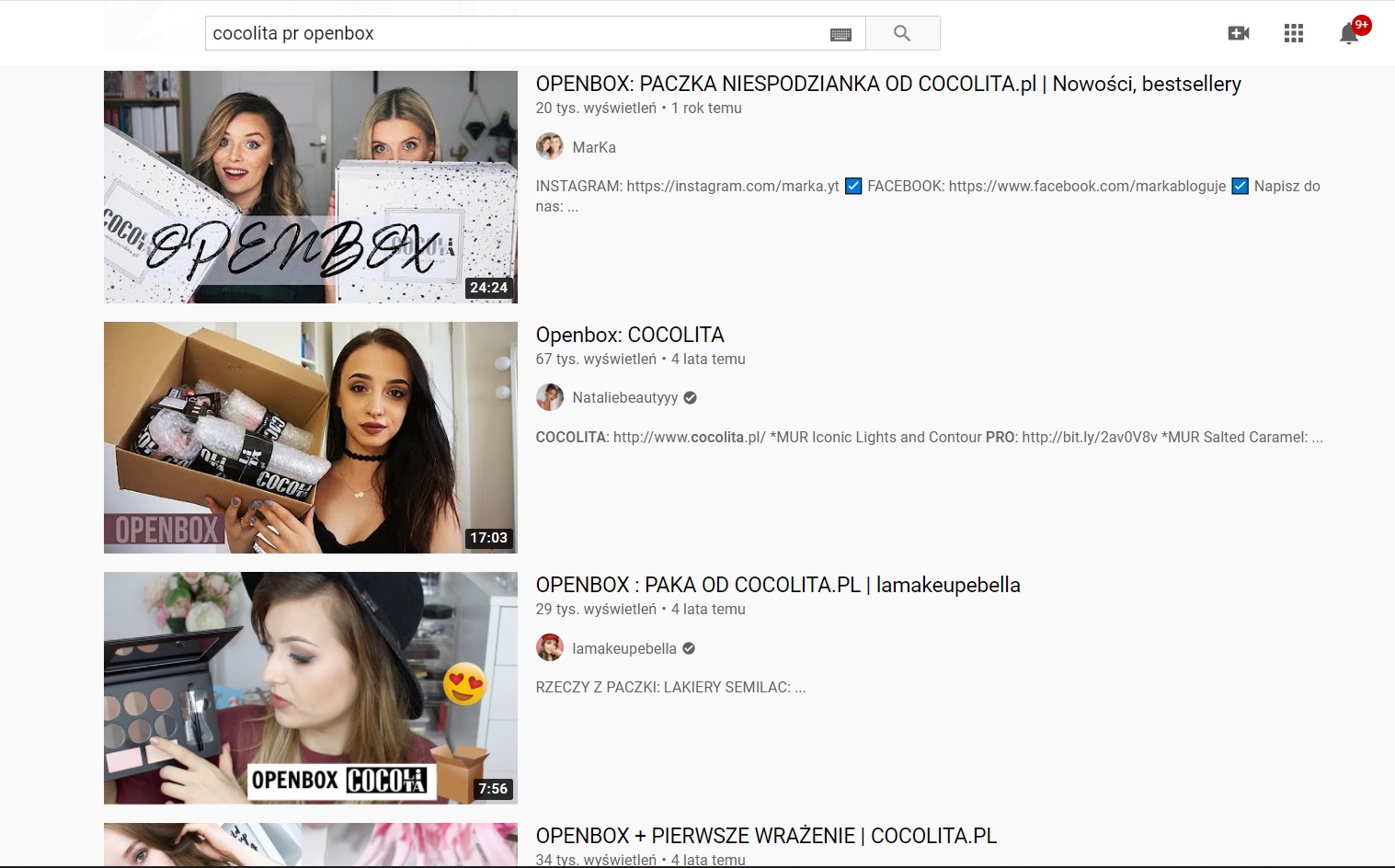
The screenshot above, along with the video view counts where YouTubers showcase gifted products, clearly illustrates the power of PR packages. Many of Poland’s top influencers receive boxes filled with cosmetics and are eager to share the unboxing experience with their audiences on YouTube and other social media platforms. This type of promotion isn’t limited to the beauty industry—it can be leveraged across a wide range of sectors.
Advertising an Online Store – Going Offline with Outdoor Campaigns
Promoting an online store isn’t limited to digital channels. Traditional media like billboards, TV commercials, and radio spots are still widely used—and for good reason. Even in an increasingly connected world, people spend a significant amount of time offline: commuting on public transportation, driving, walking outdoors, or relaxing in front of the TV. A well-executed offline campaign can be a powerful bridge, driving traffic and awareness from the physical world straight into your online store.
Billboard Moliera 2

Moliera 2 is an online store specializing in high-end luxury products. What stands out is the brand’s consistent and often humorous approach to its outdoor campaigns, which effectively captures the attention of potential customers.
When choosing to promote your online store using traditional offline methods like outdoor advertising or TV spots, having a strong creative concept is essential. Only an eye-catching billboard, a thought-provoking poster, or a compelling TV commercial can stand out amidst the noise and successfully draw attention to your brand.
Be prepared for significant upfront costs, however. A single freestanding billboard measuring 2m x 2m can cost several thousand złoty, depending on its location. A 30-second TV spot airing during a popular show on a major network like TVP can easily run into tens of thousands. This approach isn’t typically recommended for small online stores, and even large retailers should carefully calculate the potential ROI before investing.
As you can see, advertising an online store can take place across multiple touchpoints—digital and traditional. This multi-level strategy gives you the opportunity to scale your sales consistently. Don’t wait—find the right mix for your brand and start generating the kind of revenue you’ve been aiming for!