Affiliate program for an online store — pure profit for e-commerce
An affiliate program is a virtual space on the web that enables marketing cooperation between advertisers (online stores) and publishers (all kinds of websites and social media users). Advertisers generate higher sales in their stores, while publishers earn by recommending products—without having to invest in their own store or production.

Affiliate program for an online store — Case Study
Thanks to an affiliate program, advertisers can (via an affiliate network) make their offer available to an unlimited number of publishers. On the other hand, publishers gain access to partner programs and all the tools that enable them to promote products on their own properties. The affiliate system provides the entire technical infrastructure and support so that cooperation runs smoothly and benefits both sides.
Case Study — affiliate marketing for the cosmetics industry – see more HERE.
Program partnerski — strategy for e-commerce
An affiliate (partner) program is often associated with a quick campaign that helps drive high sales in online stores. Indeed, such activities can deliver steady growth in completed transactions—but only if they’re carried out according to a carefully planned, long-term strategy. A partner program is part of a comprehensive marketing plan for a given online store and constitutes one of the fundamental steps toward presenting the offer to an ever-growing number of new customers.
Affiliate program for e-commerce — where to start
Partner programs pique the curiosity of everyone working in e-commerce. However, launching one raises a number of questions. The most common are:
-
what cooperation models exist?
-
who are the publishers?
-
how do you set the terms of cooperation with publishers?
-
what does working with publishers look like in practice?
-
what are the costs of launching a program?
Below you’ll find a description of the key issues that will help you assess whether affiliate marketing is what your online store needs.
Affiliate program for an online store — settlement models
In e-commerce affiliation, there are several settlement models, but the two primary ones are Cost Per Sale (CPS) and Cost Per Lead (CPL). A partner program can be launched for:
-
online stores (implementing the CPS model)
-
services of various kinds—e.g., financial or hotel (implementing the CPL model).
What’s the difference? In CPS (Cost Per Sale), you pay a commission based on the value of the completed sale transaction, whereas in CPL you pay for delivering a specified action. An action can be: completing a survey or form, subscribing to a newsletter, taking out a loan, booking a test drive of a specific car model, or another service.
In the CPS model, thanks to the commission mechanism, payouts to publishers increase proportionally with the order value—the higher the transaction amount, the higher the publisher’s remuneration. In the CPL model, the payout amount is set in advance, is fixed, and is granted to the publisher for correctly delivering the predefined action.
This model is safe for advertisers, as the publisher bears the risk of the campaign failing. Keep in mind that an affiliate program must offer terms and a commission rate attractive enough for the publisher to be willing to take that risk.
Affiliate program for an online store — who are the publishers
Publishers are essentially a network of virtual salespeople: various topical websites, coupon/deal sites, cashback platforms, price comparators, product search engines, email list owners, bloggers, YouTubers, and users of all social media—Facebook, Instagram, Pinterest, Snapchat—i.e., a diverse pool of users eager to collaborate!
The advertiser creates a partner program and can either invite publishers directly or leave this task to the affiliate network while they focus on other priorities. The affiliate network continually expands its base with new, attractive publishers, inviting and engaging them to actively promote partner program offers.

The most attractive publishers are definitely niche sites—experts in their fields. They may not have the vast reach of general-interest portals, but they do have a loyal audience that trusts their recommendations. A specialist’s opinion carries increasing—if not decisive—weight in purchase decisions!
An affiliate network has extensive experience working with publishers. It helps solve their problems, offers guidance, and motivates them to act. With detailed statistics, it matches advertisers with the publishers they want most and coordinates the collaboration so it benefits both sides.
Affiliate program — a steadily growing network of publishers
The two main parties in a partner program are the advertiser with their online store and the group of publishers—various websites promoting the advertiser’s offer.
For a partner program to be effective, they must work closely together via the platform provided by the network. This cooperation is based on mutual trust. The advertiser trusts that publishers will promote the store’s offer on their sites ethically, keep campaigns up to date, and choose promotional channels suited to their audience; and publishers know they will be compensated for their efforts under the terms clearly defined in the program’s regulations. This close cooperation and reciprocity brings mutual benefits in the form of building a network of engaged publishers.
Over time, the advertiser will have a circle of trusted sites which, knowing the advertiser’s needs and requirements and having detailed information about the audience, will be able to provide effective, conversion-focused advertising for the long term.
Affiliate program for an online store — how to get started

Affiliate Program Terms
Setting the conditions for collaboration with publishers is the responsibility of the advertiser. The main elements of an affiliate program include:
1. Commission from Sales
The most important aspect is determining the financial terms of the affiliate program. The advertiser must set the commission rate for publishers, keeping in mind that the affiliate network’s fee is also added to the publisher’s commission. It’s important to carefully consider a rate that is attractive for potential publishers while still profitable for the advertiser. A good practice is to research direct competitors and analyze the terms of their affiliate programs to ensure your offer is at least equally competitive.
2. Cookie Lifetime
Defining the cookie duration is equally crucial. The minimum is typically 30 days. Why? Because online customers often compare offers and may need more time to make a purchase decision. A 30-day window guarantees that the publisher whose link brought the user to the store still receives a commission if a purchase is made within that period. This reassures publishers that their promotional efforts will pay off.
Affiliate Program for an Online Store – What Does It Cost?
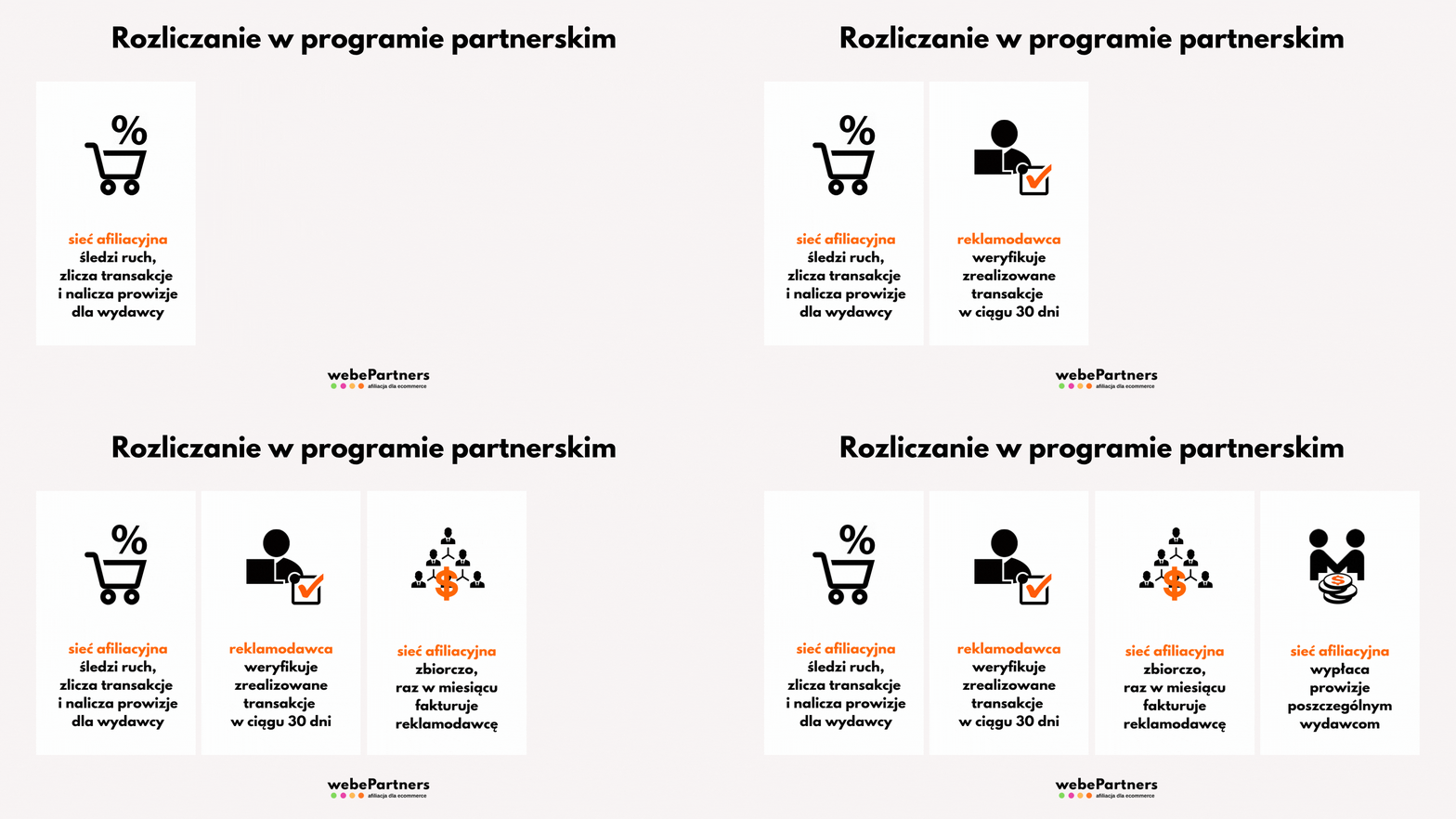
The main expense for an advertiser running an online store within an affiliate program is the commission paid for confirmed sales generated through publisher referrals. However, before any commission is paid out, the advertiser needs to verify transactions in the affiliate system to ensure they were correctly completed and paid for.
The advertiser has 30 days from the moment a transaction is recorded to verify it. This period allows time for scenarios such as product returns by the customer. If a return occurs, the advertiser has the right to cancel the transaction in the affiliate system, and in such a case, no commission will be paid to the publisher.
Tak jak wzrasta sprzedaż generowana przez wydawców w programie, proporcjonalnie wzrasta również kwota prowizji. W modelu efektywnościowym nie możemy zakładać stałego budżetu w określonej kwocie, bo kwota zależy od zaangażowania wydawców w danym miesiącu. Niektórzy właściciele e-sklepów mogą pomyśleć, że przecież można spróbować pominąć te zasady, stosując niskie prowizje. Teoretycznie tak, ale ustalenie zbyt niskiej prowizji skutecznie zniechęci wydawców do rozpoczęcia promocji danego programu partnerskiego, więc działanie to nie przyniesie ostatecznie żadnych korzyści. Jeżeli reklamodawca decyduje się na dołączenie do sieci afiliacyjnej, musi uczciwie podejść do kwestii rozliczeń oraz pamiętać, że wydawcy również podejmują wysiłek, aby swoją prowizję otrzymać.
Program partnerski – examples
An affiliate program is essentially a network of virtual publishers who promote the advertiser across various online platforms.
1. Virtual Publisher – Blogger
Individuals who run blogs can become influencers as they develop their personal brand. With a loyal and engaged audience, they can achieve substantial success. Bloggers often have a highly targeted readership that trusts and remains loyal to the creator. Blogs significantly influence readers’ opinions, even when the content is mainly lifestyle-oriented. To maintain credibility and trust, bloggers are selective about the content they share, focusing on quality over quantity. This quality-first approach aligns perfectly with the Cost Per Sale model. Products promoted through affiliate programs are carefully chosen to match the interests of their audience, which results in strong engagement and high conversion rates for the advertiser’s store thanks to affiliate links.
Depending on the publisher, each uses their own method to achieve the best results in promoting affiliate products. For bloggers, the most common approach is to write posts about selected products and insert affiliate links within the content. When a reader clicks the link, visits the store, and completes a purchase, the transaction is tracked by the affiliate system, and the publisher earns a commission. For the advertiser, this delivers a dual benefit: not only does it increase store sales, but it also boosts brand visibility as their products are showcased on popular blogs and websites, delivering strong brand awareness gains.

2. Virtual Publisher in an Affiliate Program – Niche Website
The topics covered by websites and their graphic design vary widely, making it impossible to list all their types. Niche websites may feature serious, opinion-shaping articles, but they can just as easily consist of light lifestyle content or even collections of humorous memes. Each one targets a specific audience segment with tailored content. These niche platforms are eager to participate in affiliate programs, selecting products that are likely to interest their audience. The more accurately the products match the site’s readers, the more successful the partnership tends to be.
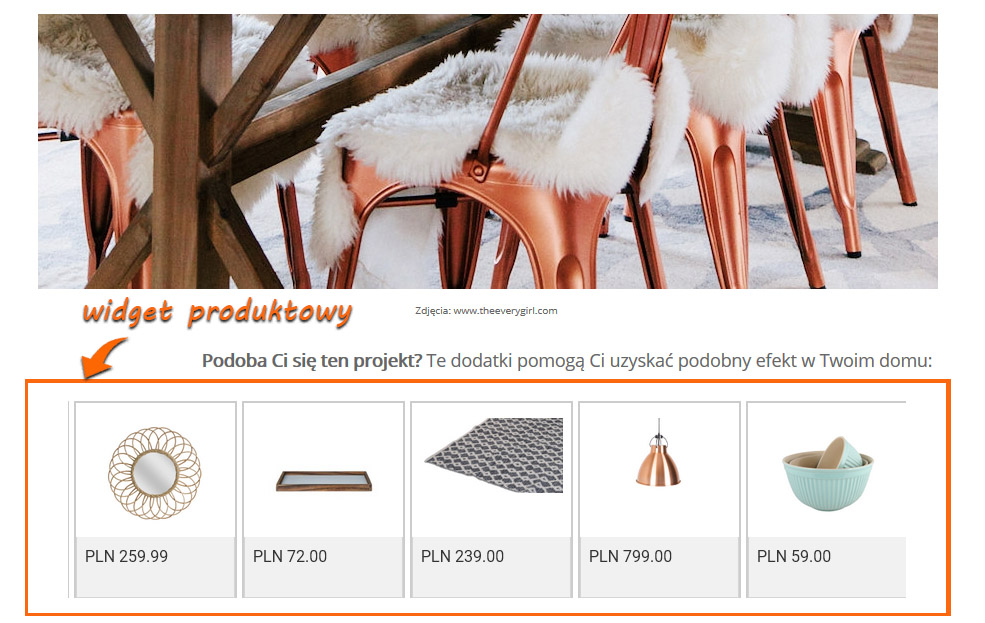
But what about websites that cover a wide range of subjects and don’t fit neatly into one category? That’s also a great advantage! Thanks to this diversity, such websites can showcase products from multiple categories simultaneously and reach a broad array of users. This allows someone who might not have been actively searching for a particular product to discover it through appealing content. In this case, rotating product widgets are especially effective, as they allow multiple items to be displayed in a single format, increasing exposure and engagement.
3. Virtual Publisher in an Affiliate Program – Product Comparison Website
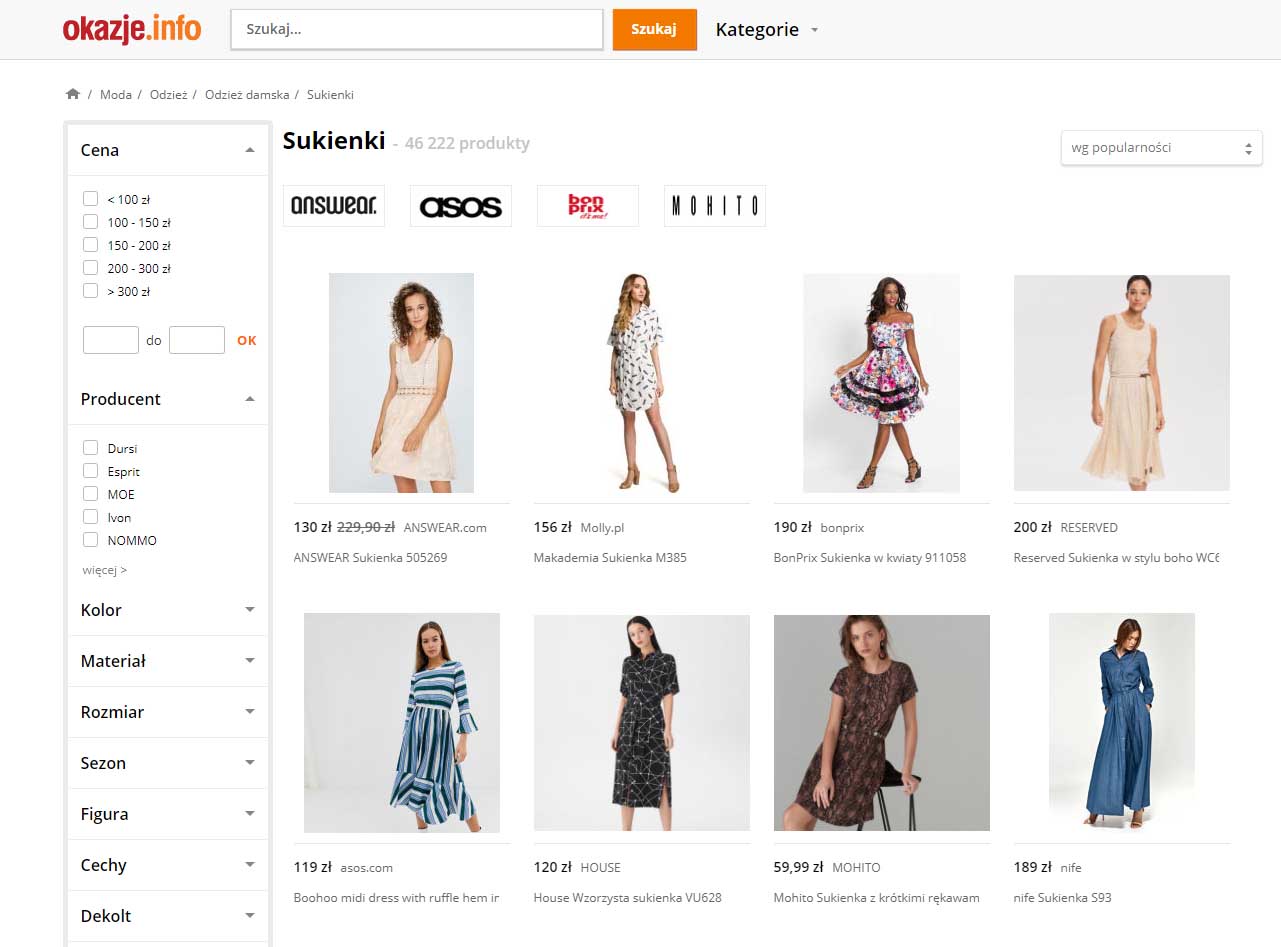
Thanks to XML files containing complete product listings from online stores—made available to publishers via the affiliate network—comparison and product search websites can also participate effectively in affiliate programs. For the advertiser, promoting their offer through these platforms comes with significant advantages: their product range is exposed to a vast audience. Given the popularity of comparison tools among online shoppers, these sites often attract millions of daily views.
And the best part? In a Cost Per Sale (CPS) affiliate model, the advertiser doesn’t pay for browsing or product views—only for actual sales. This ensures maximum efficiency and return on investment, making product comparison sites a powerful channel in any affiliate strategy.
4. Virtual Publisher in the Affiliate Program – Coupon Sites
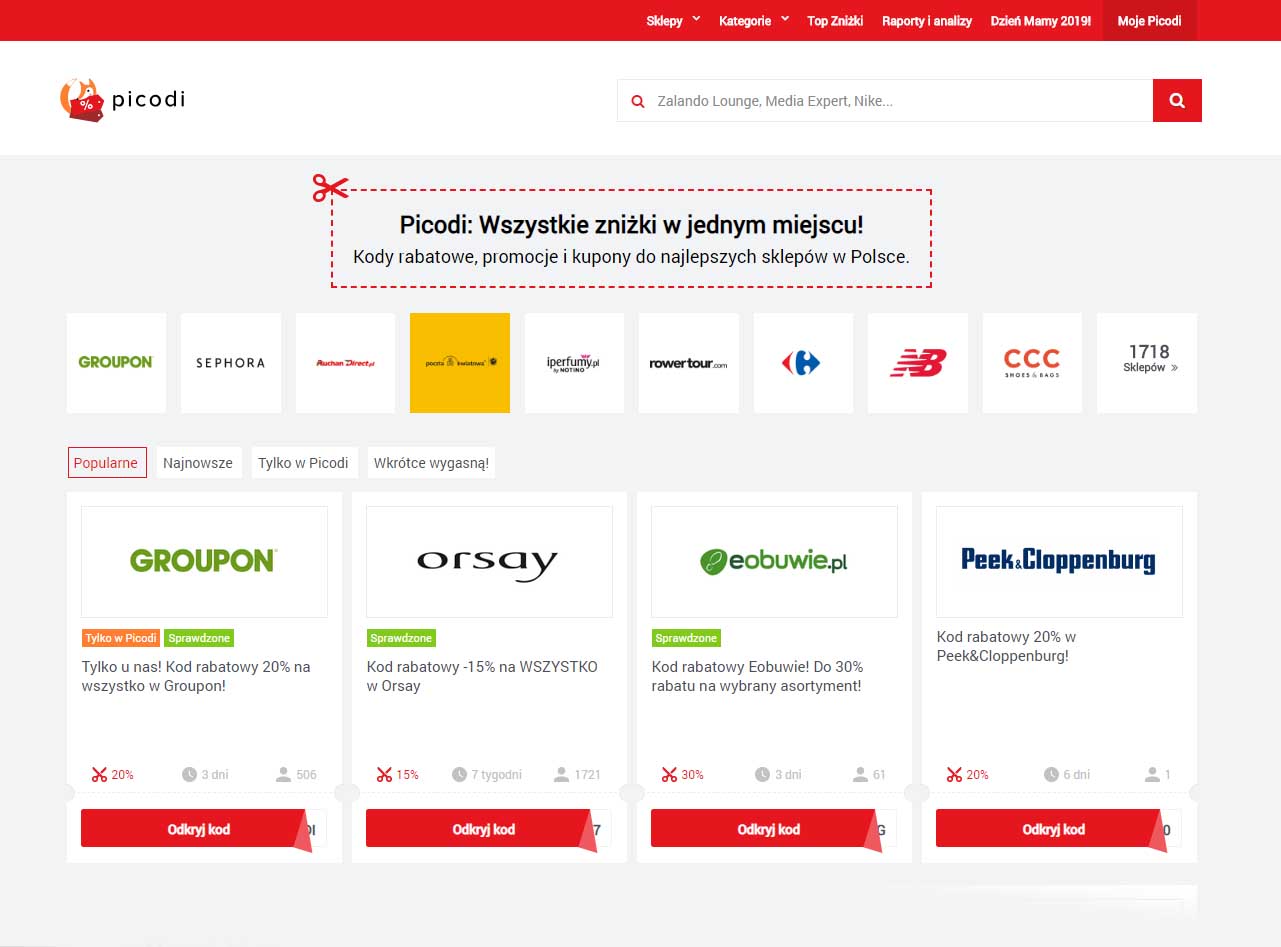
Discount codes are an excellent way to boost the growth of affiliate programs. Above all, they motivate publishers to take action. While all publishers happily share discount codes with their audiences, coupon websites use them most effectively. Sites featuring discount codes and promotions attract customers who are already interested in making a purchase but are still looking for a better deal online.
Affiliate Programs in E-commerce – Benefits for Advertisers
Why should you join an affiliate network and launch an affiliate program for your online store? Here are the 5 biggest advantages for advertisers:
-
Increased Traffic – Affiliate publishers promote your online store’s products on their websites and platforms, driving more traffic to your site.
-
Higher Sales – As traffic increases, so do sales. Publishers working on performance-based models often have highly engaged audiences, giving them real influence over purchasing decisions.
-
Promotion Across Diverse Platforms – One affiliate program gives you access to numerous advertising spaces. Publishers use a variety of affiliate tools, ensuring your products are promoted simultaneously across many online channels.
-
Enhanced Brand Awareness – Affiliate partnerships build greater brand recognition among target audiences through consistent promotional efforts.
-
Payment Only for Results – As an advertiser, you only pay commission on completed sales. No results means no costs.
As you can see, affiliate programs are a powerful marketing tool for e-commerce. No matter which industry you’re in, you’ll find publishers who can significantly boost brand visibility and site traffic – both contributing directly to increased sales.